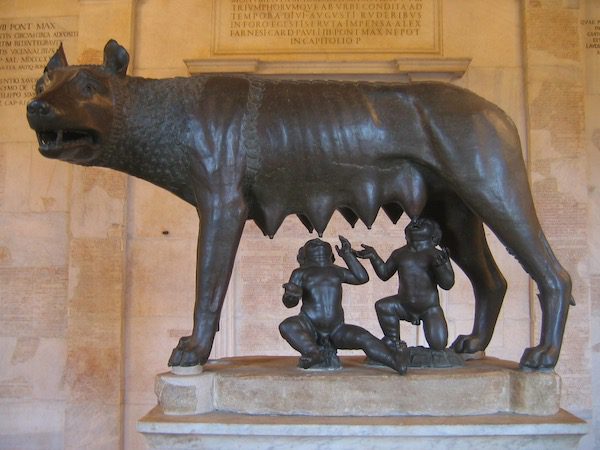
In Roman mythology, Fames is a fascinating figure representing the concept of rumor and fame. Often depicted as a winged goddess, she embodies the idea of how quickly information can spread, much like the wings of a bird. Fames is a personification of the whispers and tales that circulate among people, illustrating the power of gossip and the impact of reputation. This mythological character serves as a reminder of the significance of communication in ancient Rome, reflecting societal values and the importance of public perception.
Origins of Fames
The origins of Fames can be traced back to ancient Roman beliefs about the nature of gossip and reputation. In a society that placed great emphasis on public opinion, the figure of Fames emerged as a way to explain how information traveled among the populace. According to Roman literature, she was often invoked in discussions about the consequences of spreading falsehoods or the importance of maintaining a good name. Fames is sometimes associated with other deities, such as Mercury, the messenger of the gods, who also played a role in communication.
 Fascinus
Fames is not as widely recognized as other deities in the Roman pantheon, but her presence is felt in various texts and stories. She is often described as having a dual nature: while she can bring fame and recognition, she can also lead to scandal and disgrace. This duality reflects the complexities of human relationships and the fragile nature of reputation. The Romans understood that fame could be a double-edged sword, and Fames personified this very concept.
Symbolism of Fames
The symbolism of Fames is rich and multi-layered. As a winged figure, she represents the speed at which information can spread. Just like a bird takes flight, rumors can take off and travel quickly from one person to another. This aspect of her symbolism highlights the importance of being mindful of what we say and how it can affect others. In a world where news travels fast, the cautionary tale of Fames serves as a reminder of the responsibility that comes with sharing information.
Additionally, Fames is often depicted with a scroll or a tablet, signifying the written word and the role of literature in spreading information. In ancient Rome, written communication was crucial for maintaining public knowledge and reputation. Fames, therefore, symbolizes not only the spoken word but also the power of the written word in shaping public perception. This duality underscores the impact of both oral and written communication in the dissemination of information.
 Fauna
FaunaFames in Literature
Fames appears in various works of Roman literature, showcasing her significance in cultural narratives. One of the most notable mentions of Fames can be found in the works of the poet Virgil. In his epic poem, the Aeneid, Fames is depicted as a powerful force that can alter the course of events. Virgil describes how rumors can shape the actions and decisions of individuals, emphasizing the idea that perception can be as powerful as reality. This portrayal highlights the influence of Fames in the lives of both common people and heroes.
Another important literary reference to Fames can be found in the writings of Ovid. In his work, the Metamorphoses, Ovid explores themes of transformation and the transient nature of fame. He illustrates how quickly a person’s reputation can change, often due to the whims of public opinion. Through these narratives, Fames serves as a reminder that fame is fleeting and can be easily lost or gained, depending on the circumstances.
Fames and Society
The role of Fames in Roman society cannot be overstated. In a culture that valued public image and reputation, the influence of gossip and rumor was significant. Fames personified the societal pressure to maintain a good name and the consequences that could arise from scandalous behavior. Romans understood that their reputation could determine their social standing and opportunities in life. As such, Fames became a symbol of the collective consciousness regarding fame and reputation.
 Faunus
In ancient Rome, the concept of fama (fame) was deeply intertwined with politics and social status. Politicians and public figures were acutely aware of how their actions would be perceived by the public. The fear of negative gossip often influenced their decisions, leading to a culture of caution and self-preservation. Fames, as a mythological figure, embodied this societal reality, reminding individuals of the ever-watchful eye of public opinion.
The Dual Nature of Fames
The dual nature of Fames is one of her most intriguing aspects. While she can bring recognition and honor, she also has the power to destroy reputations and create scandals. This complexity reflects the realities of human behavior and the unpredictable nature of public perception. Fames teaches us that while we may seek fame and admiration, we must also be prepared for the potential consequences that come with it.
Many individuals in history have experienced the duality of fame, achieving great success only to find themselves embroiled in controversy. The stories of these individuals serve as cautionary tales, illustrating the precariousness of public opinion. Fames serves as a reminder that while we may strive for greatness, we must also navigate the potential pitfalls that fame can bring. This understanding of her dual nature encourages us to approach fame with humility and awareness.
Fames in Modern Culture
While Fames may be a figure from ancient Roman mythology, her influence can still be seen in modern culture. The concepts of fame and reputation remain relevant today, as the rise of social media has transformed the way information is shared. In a world where news spreads rapidly, the lessons embodied by Fames are more important than ever. The potential for rumors to shape public perception is amplified in the digital age, making her message timeless.
Modern society grapples with the consequences of fame, as individuals navigate the complexities of public life. The rise of influencers and public figures often comes with intense scrutiny and gossip. Fames serves as a reminder that fame can be both a blessing and a curse. As individuals seek recognition in their respective fields, they must also be aware of the potential impact of public opinion on their lives and careers.
Lessons from Fames
There are several valuable lessons that can be drawn from the mythology of Fames. One of the most significant is the importance of integrity and honesty in communication. In a world where information can be distorted, Fames teaches us to be cautious about what we share and how we share it. The consequences of spreading false information can be far-reaching, impacting not only the subject of the rumor but also the reputation of the person sharing it.
Additionally, Fames reminds us of the importance of reputation in our personal and professional lives. In ancient Rome, as well as today, a good reputation can open doors and create opportunities. However, a tarnished reputation can lead to isolation and missed chances. Fames encourages us to cultivate our reputations with care, understanding that our actions and words can have lasting effects.
Fames stands as a powerful symbol in Roman mythology, representing the complexities of fame, reputation, and the impact of communication. Her dual nature serves as a reminder of the responsibilities that come with sharing information, as well as the potential consequences of our actions. As society continues to navigate the challenges of public perception, the lessons from Fames remain relevant and important. Through her story, we are reminded to approach fame with caution and integrity, recognizing the power of our words and actions in shaping our lives and the lives of others.