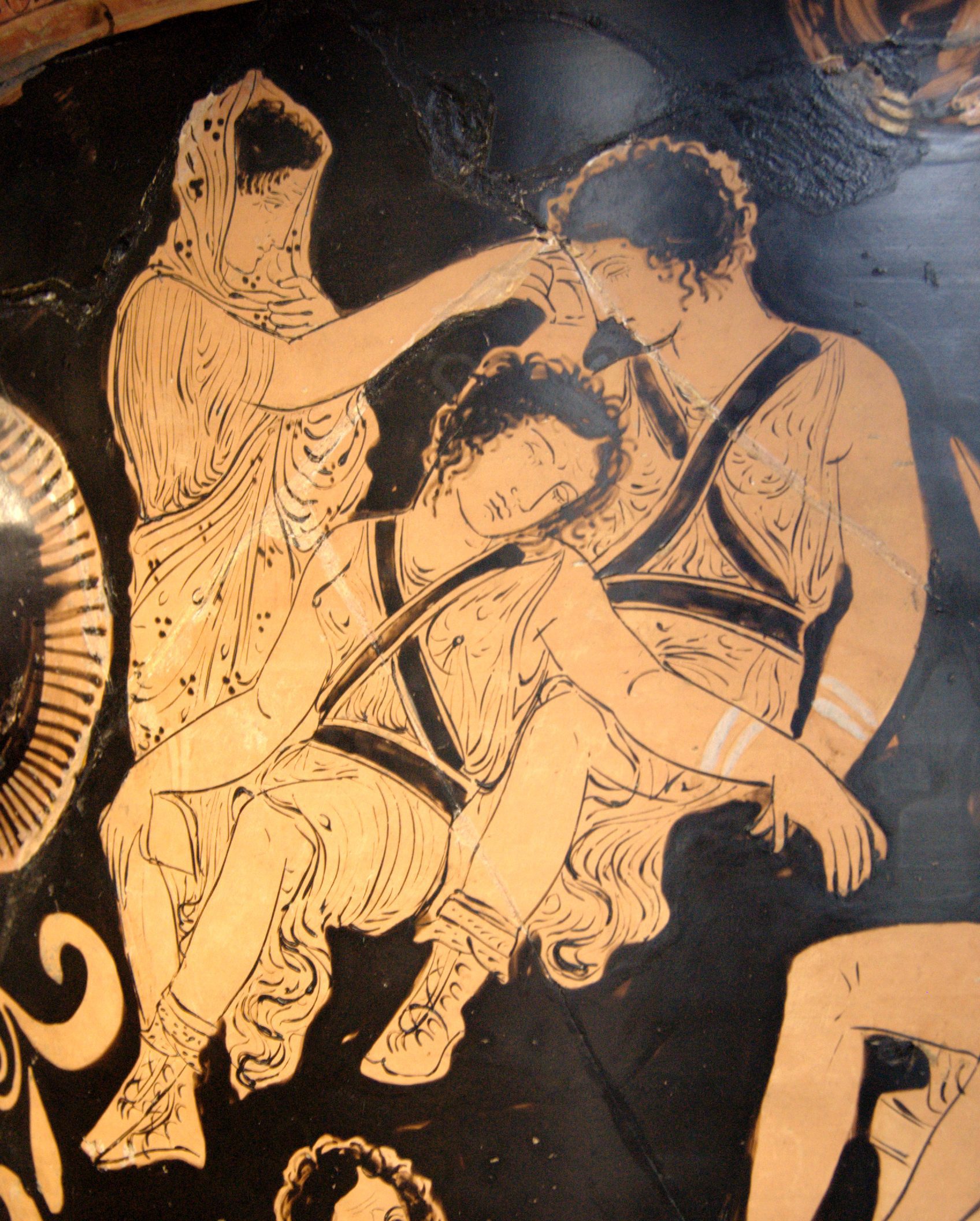
In the rich tapestry of Greek mythology, the Erinys, also known as the Furies, hold a significant place. These deities are often depicted as fierce avengers of wrongdoing, particularly in cases of murder and severe moral transgressions. Their presence is a reminder of the ancient Greek belief in justice and retribution. The Erinys were seen as powerful forces that could not be ignored, embodying the consequences of one’s actions. In this article, we will explore the origins, roles, and representations of the Erinys, delving into their importance within the broader context of Greek mythology.
Origins of the Erinys
The Erinys have deep roots in ancient Greek literature and tradition. They are typically said to be the daughters of Gaea (Earth) and Uranus (Sky), born from the blood of Uranus when he was castrated by his son Cronus. This violent act of castration symbolizes the theme of vengeance that is central to their character. The Erinys are often referred to as the “avengers of blood,” which reflects their primary function in mythology. They are said to emerge from the earth to pursue wrongdoers, especially those who commit crimes against their own family.
 Eris
ErisIn various texts, the Erinys are depicted in different ways. Some sources mention three main figures: Alecto, Tisiphone, and Megaera. Each of these Furies represents a different aspect of vengeance. Alecto is associated with unceasing anger, Tisiphone with retribution for murder, and Megaera with jealousy and envy. This tripartite division highlights the complexity of their roles and the multifaceted nature of vengeance in human affairs.
The Role of the Erinys in Greek Mythology
The Erinys play a crucial role in the theme of justice within Greek mythology. They serve as a divine check on human behavior, ensuring that moral order is maintained. When someone commits a grave sin, particularly against family, the Erinys are summoned to exact punishment. This reflects the ancient Greek belief in moral accountability and the idea that no wrongdoing goes unpunished. Their relentless pursuit of justice emphasizes the notion that individuals are responsible for their actions and must face the consequences.
 Eros
ErosOne of the most famous stories involving the Erinys is that of Orestes, who avenged his father’s murder by killing his mother, Clytemnestra. After committing this act, Orestes is pursued by the Erinys, illustrating the concept of familial loyalty and the cyclical nature of vengeance. His torment highlights the internal conflict faced by individuals who seek justice but are also caught in a web of moral dilemmas. The Erinys, in this case, serve not only as avengers but also as symbols of the psychological consequences of crime and guilt.
Representation of the Erinys in Art and Literature
The Erinys have been depicted in various forms of art and literature throughout history. In ancient Greek pottery, they are often shown as winged women with snakes in their hair, embodying a terrifying presence. Their appearance is meant to evoke fear and respect, reminding viewers of their power and the consequences of wrongdoing. These artistic representations serve to communicate the seriousness of moral transgressions and the inevitability of retribution.
In literature, the Erinys are prominently featured in works such as Aeschylus’ “Oresteia,” where they are depicted as relentless pursuers of justice. Their role in this trilogy emphasizes the transition from personal vendetta to a more structured form of justice within society. The transformation of the Erinys into the Eumenides at the end of the trilogy symbolizes the evolution of justice from revenge to a more civilized and communal approach. This shift reflects the changing values of ancient Greek society and the importance of law and order.
 Erymanthian-boar
The Psychological Symbolism of the Erinys
Beyond their role as avengers, the Erinys also represent the psychological turmoil associated with guilt and remorse. They serve as personifications of the inner struggles faced by individuals who commit wrongs. In this sense, the Erinys can be seen as a manifestation of the conscience, reminding individuals of their moral obligations. This aspect of their character is particularly relevant in the context of Orestes, who is haunted by the guilt of his actions and the relentless pursuit of the Erinys.
The psychological implications of the Erinys extend to the broader themes of justice and morality. They symbolize the idea that one cannot escape the consequences of their actions, no matter how far they try to run. This relentless pursuit serves as a reminder that justice is an inescapable force, deeply ingrained in the human experience. The Erinys embody the notion that our actions have repercussions, both in the physical world and within our own minds.
The Cultural Impact of the Erinys
The Erinys have left a lasting legacy in Western culture, influencing various aspects of literature, art, and psychology. Their representation of vengeance and justice resonates with many contemporary themes, particularly in discussions about morality and accountability. In modern literature, authors often draw upon the archetype of the Erinys to explore themes of guilt, revenge, and the quest for justice. This connection to the past highlights the enduring relevance of Greek mythology in understanding human behavior.
Moreover, the Erinys have also made their way into popular culture, appearing in films, television shows, and even video games. Their portrayal often emphasizes their fearsome nature, aligning with the traditional depictions found in ancient art. This cultural impact serves to keep the stories and lessons of the Erinys alive, ensuring that their legacy continues to influence new generations.
the Erinys are a fascinating aspect of Greek mythology, representing the themes of vengeance, justice, and moral accountability. Their origins, roles, and representations reveal much about ancient Greek beliefs and values. As symbols of psychological turmoil and the consequences of wrongdoing, the Erinys continue to resonate in contemporary culture, reminding us of the importance of justice and the moral implications of our actions. Through their enduring legacy, the Erinys remain a powerful reminder of the complexities of human behavior and the inescapable nature of consequence.