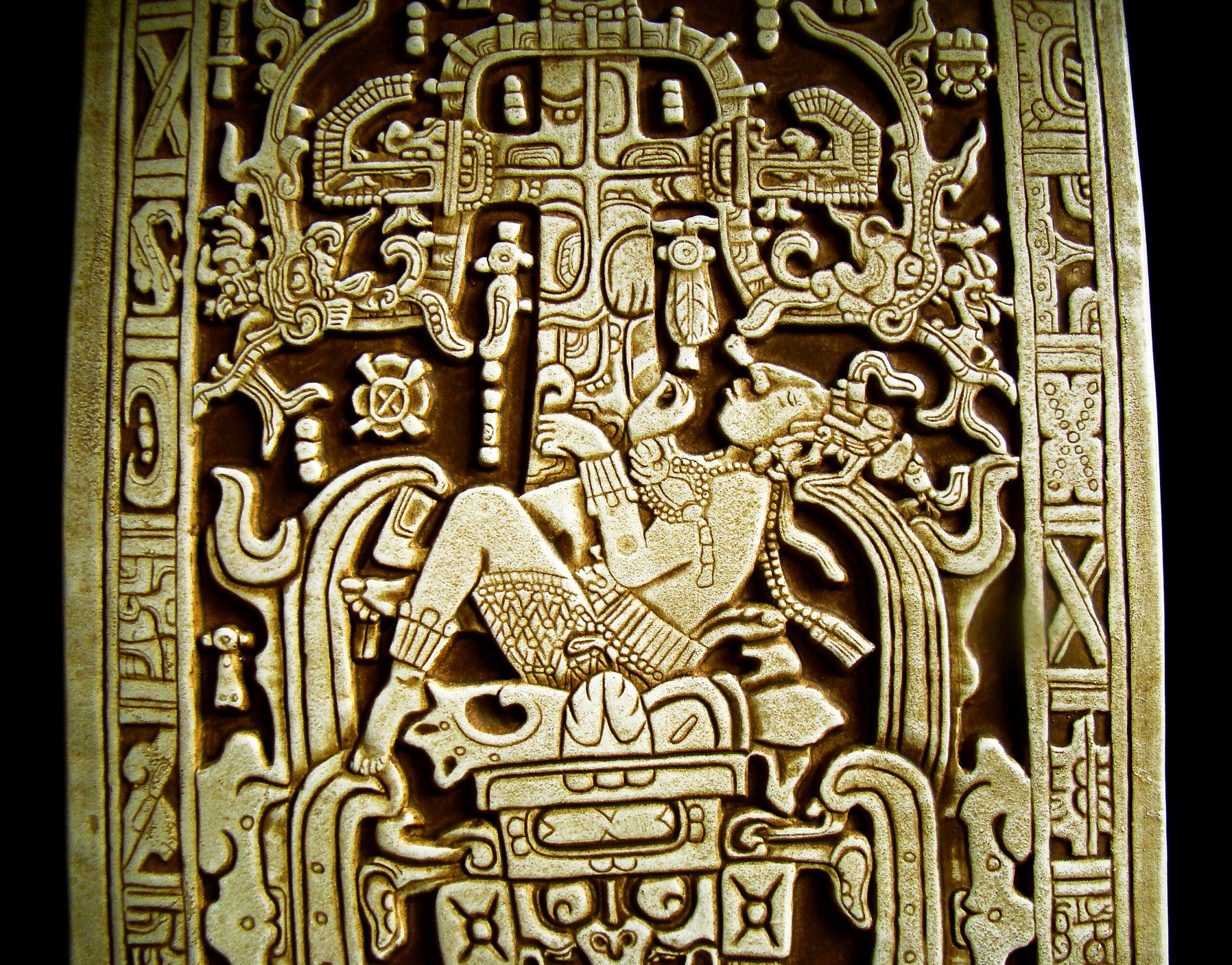
Cakulha is a significant figure in Maya mythology, representing the duality of life and death. This deity is often associated with the cycles of nature and the balance between creation and destruction. The Maya civilization, known for its rich cultural and religious practices, revered Cakulha as a powerful symbol of the underworld and the afterlife. Understanding Cakulha involves exploring the complex beliefs and traditions of the Maya people, which reveal a deep connection to the natural world and the cosmos.
Origins of Cakulha
The origins of Cakulha can be traced back to ancient Maya texts and iconography. In many codices and carvings, Cakulha is depicted as a figure with distinct characteristics that embody the essence of life and death. The name Cakulha itself translates to “the one who is born from the earth,” emphasizing the connection between the deity and the natural elements. This connection is further illustrated through various myths and legends that highlight Cakulha’s role in the creation of the world and the cycles of life.
 Cacoch
One of the most notable stories involving Cakulha is the myth of the Hero Twins, who journey through the underworld to defeat the lords of Xibalba. In this tale, Cakulha plays a crucial role as a guide and protector, demonstrating the importance of understanding the balance between good and evil. The narrative showcases how Cakulha embodies the struggles faced by humanity and the necessity of facing one’s fears to achieve growth and enlightenment.
Cakulha in Maya Cosmology
Maya cosmology is rich and complex, with a deep understanding of the universe and its cycles. Cakulha fits into this cosmology as a representation of the underworld, a realm where souls journey after death. The Maya believed that the underworld was not merely a place of punishment but also a necessary step in the cycle of life. Cakulha’s presence in this realm signifies the importance of acknowledging death as part of the natural order.
In Maya beliefs, the cosmos is divided into three main realms: the sky, the earth, and the underworld. Each realm is inhabited by different deities, with Cakulha ruling over the underworld. This division illustrates the interconnectedness of all things, as life on earth is deeply influenced by the movements and actions of celestial bodies. Cakulha serves as a reminder that death is not an end, but rather a transformation that leads to new beginnings.
 Cabrakan
The Role of Cakulha in Rituals
The worship of Cakulha was integral to many Maya rituals, particularly those related to death and rebirth. Rituals often included offerings and ceremonies aimed at honoring this deity, acknowledging the cycle of life, and seeking guidance in navigating the challenges of existence. These rituals were designed to appease Cakulha and ensure a smooth transition for souls into the afterlife.
- Offerings of food and incense were common, symbolizing nourishment for the deceased.
- Bloodletting rituals were performed as a way to connect with the divine and seek favor from Cakulha.
- Elaborate ceremonies were conducted during significant life events, such as birth, marriage, and death.
These rituals reflected the Maya’s deep respect for Cakulha and the understanding that life and death are interconnected. By honoring Cakulha, the Maya sought to maintain harmony within their communities and ensure the continued cycle of life. The rituals served not only as a means of worship but also as a way to educate future generations about the importance of embracing both life and death.
Cakulha and the Hero Twins
The story of the Hero Twins, Hunahpú and Xbalanqué, is one of the most famous myths in Maya mythology. In this narrative, the twins must navigate the challenges posed by the lords of Xibalba, the underworld ruled by Cakulha and other deities. The twins’ journey symbolizes the struggle between light and darkness, showcasing the resilience of the human spirit in the face of adversity.
 Buluc Chabtan
Cakulha’s involvement in the story highlights the dual nature of existence. While the underworld is often viewed as a place of fear and uncertainty, it is also a realm of transformation and renewal. The Hero Twins’ triumph over the lords of Xibalba signifies the victory of life over death, with Cakulha serving as a reminder that even in the depths of darkness, there is the potential for rebirth and regeneration.
Lessons from the Hero Twins’ Journey
The journey of the Hero Twins teaches valuable lessons about perseverance, courage, and the importance of understanding one’s place in the universe. Cakulha, as a central figure in this myth, represents the challenges that individuals must face in their own lives. The twins’ ability to confront their fears and ultimately triumph serves as an inspiration for many.
- Embrace challenges as opportunities for growth.
- Understand the importance of balance in life.
- Acknowledge the interconnectedness of all things.
Through their trials, the Hero Twins demonstrate that facing adversity is a crucial part of the human experience. Cakulha embodies this struggle, reminding us that life and death are intertwined and that embracing both can lead to a deeper understanding of our existence.
Cakulha’s Symbolism in Art and Iconography
The representation of Cakulha in Maya art and iconography is both fascinating and complex. Various artifacts, including pottery, sculptures, and murals, depict Cakulha in different forms, often highlighting the deity’s connection to the underworld and the cycles of life. These artistic expressions serve as a means of storytelling, conveying the beliefs and values of the Maya civilization.
In many depictions, Cakulha is shown with features that symbolize death and rebirth. For instance, the use of serpents, skulls, and other motifs associated with the underworld is common. These elements not only represent Cakulha’s dominion over death but also signify the potential for regeneration and new beginnings. The intricate designs and vibrant colors used in these artworks reflect the Maya’s reverence for Cakulha and the significance of their beliefs.
Key Symbols Associated with Cakulha
Several symbols are closely associated with Cakulha, each carrying profound meanings within Maya mythology. Understanding these symbols can provide deeper insights into the beliefs surrounding this deity.
- Serpents: Often seen as symbols of transformation and renewal, serpents represent the cyclical nature of life.
- Skulls: A common motif in depictions of the underworld, skulls signify the inevitability of death.
- Flowers: Symbolizing rebirth and new beginnings, flowers are often included to represent the life cycle.
These symbols illustrate the dual nature of Cakulha, embodying both the fear associated with death and the hope that comes with rebirth. Through art and iconography, the Maya expressed their understanding of life’s complexities and their reverence for the forces that govern existence.
Cakulha’s Influence on Modern Maya Culture
Despite the passage of time and the changes brought by colonization, Cakulha remains a significant figure in modern Maya culture. Many contemporary Maya communities continue to honor their ancestral beliefs, incorporating elements of ancient mythology into their daily lives. Cakulha’s influence can be seen in various aspects of culture, including rituals, art, and storytelling.
Modern Maya ceremonies often include references to Cakulha, particularly during events related to death and remembrance. These practices serve to maintain a connection to their heritage and emphasize the importance of honoring ancestors. By integrating Cakulha into their cultural expressions, the Maya preserve the teachings of their ancestors while adapting to contemporary contexts.
Preserving Ancestral Knowledge
The preservation of Cakulha’s legacy is essential for maintaining the cultural identity of the Maya people. Efforts to document and share stories, rituals, and artistic expressions related to Cakulha contribute to a broader understanding of Maya mythology and its relevance today. This process of preservation ensures that future generations can learn from the wisdom of their ancestors and continue to celebrate their rich cultural heritage.
- Community gatherings often feature storytelling sessions that recount myths involving Cakulha.
- Artisans create works inspired by ancient depictions of Cakulha, blending tradition with contemporary techniques.
- Rituals are adapted to incorporate modern elements while still honoring ancestral practices.
Through these efforts, the Maya people not only keep Cakulha’s spirit alive but also foster a sense of pride in their cultural identity. This connection to the past empowers individuals and communities to navigate the challenges of modern life while staying rooted in their rich heritage.
Cakulha is a multifaceted figure in Maya mythology, embodying the essential duality of life and death. From the origins of this deity to its influence on modern Maya culture, Cakulha represents the intricate relationship between humanity and the natural world. Through rituals, art, and storytelling, the Maya people continue to honor Cakulha, ensuring that the teachings of their ancestors endure for generations to come.