
Bue is a significant figure in Micronesian mythology, particularly within the cultural narratives of the people inhabiting the various islands of the region. This mythological character is often associated with themes of creation, transformation, and the intricate relationship between humans and nature. Bue is depicted in various stories that illustrate the beliefs and values of Micronesian societies, showcasing their connection to the land, the sea, and the spiritual world. The tales of Bue are not just stories; they serve as a means of preserving the cultural heritage and imparting essential lessons to future generations.
The Origins of Bue
The origins of Bue can be traced back to the oral traditions of Micronesian cultures. These stories often vary from island to island, reflecting the diverse beliefs and practices of different communities. In many accounts, Bue is considered a creator deity or a figure who plays a vital role in the formation of the world. Some narratives suggest that Bue emerged from the depths of the ocean, symbolizing the importance of the sea in Micronesian life. The ocean is not only a source of sustenance but also a realm filled with spiritual significance.
 Auriaria
According to some myths, Bue is responsible for creating the first humans, shaping them from the clay of the earth or from the waters of the ocean. This act of creation highlights the close relationship between humans and their environment, emphasizing that they are an integral part of the natural world. The stories often illustrate how Bue imbued humans with qualities such as wisdom, strength, and a deep connection to their surroundings.
Bue’s Role in Nature
Bue is often depicted as a guardian of nature, watching over the land and the sea. Many myths emphasize the importance of respecting the natural world and living in harmony with it. In these stories, Bue teaches the people about the cycles of life, the changing seasons, and the delicate balance that exists within ecosystems. This theme of balance is crucial in Micronesian cultures, where sustainability and respect for nature are vital for survival.
One of the significant aspects of Bue’s role is the way he interacts with other deities and spirits. In some tales, Bue collaborates with other mythological figures to ensure the well-being of the land and its inhabitants. These collaborations often involve rituals and ceremonies aimed at honoring the spirits of nature, seeking their blessings for good harvests and safe voyages at sea. Such practices underscore the importance of community and collective responsibility in maintaining the health of the environment.
 Areop-it-eonin
Legends of Transformation
Transformation is a recurring theme in the legends surrounding Bue. Many stories recount how Bue has the power to change form, becoming various animals or natural elements. This ability symbolizes the fluidity of existence and the interconnectedness of all living things. In some narratives, Bue transforms into a fish, a bird, or even a tree, demonstrating the belief that all creatures are manifestations of the same spiritual essence.
These transformations often serve as metaphors for personal growth and change. For instance, a character in a story might undergo a transformation after learning a valuable lesson from Bue. This theme encourages individuals to embrace change and view it as a necessary part of life. The legends teach that just as Bue can transform, so too can people adapt and grow in response to their experiences.
Bue and Human Relationships
Bue’s influence extends beyond nature; he also plays a crucial role in shaping human relationships. Many myths highlight the importance of community, family, and social bonds. Bue is often depicted as a mediator or a guide, helping individuals navigate their relationships with others. In these stories, Bue emphasizes the values of compassion, forgiveness, and understanding, which are essential for maintaining harmony within communities.
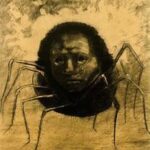 Areop-enap
One notable legend involves Bue assisting a family in resolving a conflict. Through his wisdom, he teaches them the importance of communication and empathy. This story illustrates how Bue embodies the ideal qualities of a leader, guiding his people towards unity and cooperation. Such narratives serve as moral lessons, reminding individuals of their responsibilities to one another and the importance of fostering positive relationships.
The Spiritual Significance of Bue
Bue is not only a cultural hero but also a spiritual figure in Micronesian mythology. Many communities view him as a protector and a source of guidance. Rituals and ceremonies dedicated to Bue are common, especially during significant events such as harvests or important life transitions. These practices reflect the deep respect that people have for Bue and the belief in his ability to influence their lives.
The spiritual significance of Bue is also evident in the way people seek his blessings. Individuals may pray to Bue for protection during long voyages or for success in their endeavors. This connection between the divine and the everyday life of the people highlights the importance of spirituality in Micronesian culture. It shows that faith and belief in deities like Bue play a crucial role in shaping the worldview of individuals and communities.
Bue in Contemporary Culture
In contemporary Micronesian culture, the figure of Bue continues to hold significance. While modern influences have altered some traditional practices, many communities still celebrate their heritage through storytelling, art, and cultural festivals. Bue’s stories are often passed down through generations, keeping the mythology alive and relevant. This continuity ensures that younger generations remain connected to their roots and understand the values that Bue represents.
Additionally, the themes of Bue’s myths resonate with modern challenges, such as environmental conservation and social cohesion. As Micronesian societies face issues like climate change and cultural erosion, the teachings of Bue serve as a reminder of the importance of sustainability and community. Many activists and cultural leaders draw upon Bue’s stories to inspire action and promote awareness about the need to protect the environment and maintain social harmony.
The tales of Bue are a vital part of Micronesian mythology, encapsulating the values, beliefs, and traditions of the people. Through the stories of creation, transformation, and human relationships, Bue serves as a symbol of the interconnectedness of life and the importance of living in harmony with nature and each other. As these narratives continue to be shared and celebrated, they remind us of the enduring power of mythology to teach, inspire, and connect us to our cultural heritage.