
Auriaria is a significant figure in Micronesian mythology, embodying the rich cultural heritage of the region. In the islands of Micronesia, tales of Auriaria are often passed down through generations, illustrating the importance of storytelling in preserving cultural identity. This mythical being is often associated with themes of creation, nature, and the interplay between the spiritual and physical worlds. Understanding Auriaria requires delving into the various myths and legends that surround this fascinating character.
The Origins of Auriaria
The origins of Auriaria can be traced back to the ancient beliefs of the Micronesian people. According to some legends, Auriaria was born from the first waves of the ocean, symbolizing the connection between the land and the sea. This creation story emphasizes the significance of water in Micronesian culture, as the ocean is not only a source of sustenance but also a pathway to the spiritual realm. The tales often describe Auriaria as a benevolent figure, bringing balance and harmony to the natural world.
 Areop-it-eonin
Another popular narrative suggests that Auriaria emerged from a sacred tree, known as the “tree of life.” This tree is believed to connect the heavens and the earth, making it a vital part of the creation myth. The emergence of Auriaria from this tree symbolizes the importance of nature and the interconnectedness of all living things. This narrative reinforces the idea that Auriaria is not just a deity but a representation of the natural world itself.
Auriaria’s Role in Creation Myths
Auriaria plays a crucial role in various creation myths throughout Micronesia. In many stories, Auriaria is credited with shaping the islands and providing them with their unique landscapes. The tales often depict Auriaria as using magical powers to mold the mountains, valleys, and rivers, highlighting the belief that the natural world is a manifestation of divine will. This connection between Auriaria and the landscape emphasizes the reverence Micronesians have for their environment.
In addition to shaping the land, Auriaria is often associated with the creation of flora and fauna. Many legends describe how Auriaria breathed life into the plants and animals, ensuring the balance of the ecosystem. This act of creation reflects the deep respect Micronesians have for nature and their understanding of the delicate balance that sustains life. Auriaria’s role as a creator not only highlights the importance of biodiversity but also reinforces the idea that all living beings are interconnected.
 Areop-enap
Symbolism and Attributes of Auriaria
Auriaria is often depicted with various symbols that represent different aspects of life and nature. One of the most common symbols associated with Auriaria is the seashell. The seashell is a powerful symbol of the ocean’s bounty and the connection between the sea and the land. In many myths, Auriaria is shown holding or wearing seashells, signifying the importance of marine life and the sustenance it provides to the Micronesian people.
Another significant attribute of Auriaria is the feather. Feathers are often associated with the spiritual realm and are believed to carry messages from the gods. Auriaria is sometimes depicted adorned with feathers, symbolizing a connection to the divine and the ability to traverse between the earthly and spiritual worlds. This attribute underscores the belief that Auriaria serves as a mediator between humans and the divine, guiding people in their spiritual journeys.
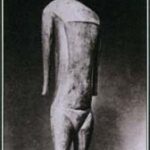 Aluluei
Auriaria in Modern Micronesian Culture
Despite being a figure rooted in ancient mythology, Auriaria continues to hold significance in modern Micronesian culture. Many contemporary artists and storytellers draw inspiration from Auriaria, incorporating elements of the mythology into their works. This resurgence of interest in Auriaria reflects a broader movement to preserve and celebrate Micronesian cultural heritage in the face of globalization.
In addition to artistic representations, Auriaria is often referenced in community events and festivals. These gatherings serve as a platform for sharing stories and traditions, allowing younger generations to connect with their cultural roots. By celebrating Auriaria and the myths surrounding this figure, communities foster a sense of identity and belonging, reinforcing the importance of cultural continuity.
Legends of Auriaria: Stories and Variations
The legends of Auriaria vary across different islands and communities in Micronesia, showcasing the rich tapestry of storytelling within the region. One popular legend tells of Auriaria’s journey to the underworld, where the deity sought to retrieve lost souls. This story emphasizes the belief in an afterlife and the importance of honoring ancestors, a theme prevalent in many Micronesian cultures.
Another variation of the Auriaria legend involves a great flood that threatened the islands. According to this tale, Auriaria intervened to save the people by creating a massive boat that could withstand the rising waters. This story serves as a reminder of the challenges posed by nature and the belief that divine intervention can guide communities through difficult times. Such narratives not only entertain but also impart valuable lessons about resilience and the power of faith.
The Legacy of Auriaria in Education
The legacy of Auriaria extends beyond mythology into the realm of education. Many schools in Micronesia incorporate local myths, including those of Auriaria, into their curricula. This approach fosters a deeper understanding of cultural history and promotes a sense of pride among students. By learning about Auriaria and other mythological figures, children gain insights into the values and beliefs that shape their communities.
Furthermore, educators often encourage students to engage with these myths creatively. Through storytelling, art, and drama, students explore the themes and morals embedded in the tales of Auriaria. This interactive learning not only reinforces cultural knowledge but also cultivates critical thinking and creativity among young learners. The enduring presence of Auriaria in education highlights the importance of mythology in shaping identity and understanding cultural heritage.
Auriaria and Environmental Stewardship
The stories of Auriaria also carry significant lessons regarding environmental stewardship. The myths often emphasize the need to respect and protect the natural world, mirroring the traditional practices of Micronesian communities. Auriaria’s connection to nature serves as a reminder that humans are stewards of the earth, responsible for maintaining the delicate balance of ecosystems.
Many contemporary environmental initiatives in Micronesia draw inspiration from the teachings of Auriaria. Community leaders often reference these myths when advocating for sustainable practices, emphasizing the cultural significance of protecting marine and terrestrial resources. By aligning modern conservation efforts with traditional beliefs, communities foster a sense of responsibility and connection to the environment, ensuring that the legacy of Auriaria endures for future generations.
The Influence of Auriaria on Art and Literature
Auriaria’s influence extends into various forms of art and literature, where artists and writers find inspiration in the rich narratives surrounding this mythical figure. Traditional art forms often depict Auriaria in vibrant colors and intricate designs, showcasing the skills and creativity of Micronesian artisans. These artworks not only serve as a celebration of cultural heritage but also as a means of storytelling, preserving the myths for future generations.
In literature, Auriaria is often a central character in both traditional and contemporary stories. Writers explore the themes of creation, nature, and spirituality through the lens of Auriaria’s experiences. These narratives not only entertain but also provoke thought about the relationship between humans and the natural world. By incorporating Auriaria into their works, authors contribute to the ongoing dialogue about identity, culture, and the importance of preserving indigenous narratives.
Auriaria in Popular Culture
In recent years, Auriaria has made appearances in popular culture, particularly in films, music, and social media. These modern interpretations often reimagine Auriaria for new audiences, blending traditional elements with contemporary storytelling techniques. This fusion of old and new allows for a broader appreciation of Micronesian mythology and its relevance in today’s world.
Moreover, the portrayal of Auriaria in popular culture serves as a platform for raising awareness about Micronesian issues, including environmental challenges and cultural preservation. By bringing Auriaria into the mainstream, creators can engage a wider audience in conversations about the importance of protecting both cultural and natural heritage. This visibility contributes to a greater understanding and respect for the diverse cultures that make up the Micronesian region.
Challenges to the Preservation of Auriaria’s Myths
Despite the enduring legacy of Auriaria, there are significant challenges to the preservation of these myths. Globalization, urbanization, and the influence of technology pose threats to traditional storytelling practices. As younger generations become more immersed in modern lifestyles, the transmission of myths like that of Auriaria may diminish, leading to a potential loss of cultural identity.
Efforts to combat these challenges include community initiatives aimed at revitalizing interest in traditional stories. Workshops, storytelling festivals, and cultural exchange programs provide platforms for sharing myths and engaging with younger audiences. By fostering a sense of pride in cultural heritage, communities can ensure that the stories of Auriaria and other mythical figures continue to thrive in the hearts and minds of future generations.
The Global Impact of Auriaria’s Stories
The stories of Auriaria resonate beyond the borders of Micronesia, influencing global conversations about mythology, culture, and environmental stewardship. As more people become aware of Auriaria and the rich traditions of Micronesia, there is an opportunity for cross-cultural exchange and understanding. These stories serve as a reminder of the universal themes of creation, connection, and respect for nature that transcend cultural boundaries.
In academic circles, Auriaria’s myths have sparked interest in the study of indigenous knowledge systems and their relevance in contemporary society. Researchers explore the ways in which these narratives can inform modern practices in areas such as sustainability and community resilience. By recognizing the wisdom embedded in Auriaria’s stories, scholars and practitioners can draw valuable lessons that contribute to a more sustainable future for all.
The enduring legacy of Auriaria in Micronesian mythology highlights the importance of storytelling in preserving cultural identity. As a figure of creation and harmony, Auriaria embodies the deep connection between the people of Micronesia and their natural environment. Through the exploration of Auriaria’s myths, we gain insights into the values, beliefs, and challenges faced by Micronesian communities. The stories of Auriaria continue to inspire and educate, reminding us of the significance of cultural heritage in our rapidly changing world.