
Areop-enap is a significant figure in Micronesian mythology, particularly within the traditions of the Caroline Islands. This mythological character plays a crucial role in various creation stories and cultural narratives among the indigenous peoples of this region. Areop-enap is often depicted as a powerful deity or spirit who embodies the forces of nature, life, and death. His stories are rich in symbolism and reflect the values, beliefs, and history of the Micronesian people. Understanding Areop-enap allows us to gain insight into the intricate tapestry of Micronesian mythology and the ways in which these tales shape cultural identity.
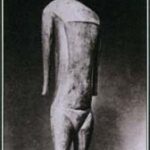
The Origin of Areop-enap
The tales of Areop-enap’s origins vary across different islands and communities, but many share common themes. According to some legends, Areop-enap was born from the union of the earth and sky, symbolizing the balance of natural forces. His birth is often described as a momentous event, marking the beginning of life and the establishment of the world as the Micronesians know it. In these stories, Areop-enap is not just a deity; he is a representation of harmony between the different elements of the universe.
In some versions of the myth, Areop-enap is said to have emerged from the depths of the ocean, highlighting the significance of water in Micronesian culture. The ocean is seen as a source of life, nourishment, and connection among the islands. Areop-enap’s emergence from the sea symbolizes the importance of marine resources and the relationship between the people and their environment. This connection is vital for understanding the reverence that Micronesians hold for the ocean and its creatures.
Common Themes in Areop-enap’s Stories
- Creation and balance
- Life and death
- Connection to nature
- Transformation and change
Throughout the various stories of Areop-enap, several common themes emerge that resonate deeply with Micronesian culture. One of the most prominent themes is the idea of creation and balance. Areop-enap is often seen as a creator who brings forth life, but he also maintains the balance between opposing forces. This duality is crucial, as it reflects the belief that life and death are interconnected, and one cannot exist without the other.
 Aluelop
Another important theme is the connection to nature. Areop-enap is frequently depicted as a guardian of the natural world, emphasizing the respect that Micronesians have for their environment. His stories often include elements of the forest, ocean, and sky, illustrating the interdependence of all living things. This connection serves as a reminder of the responsibility that humans have to care for the earth and its resources, a principle that is deeply ingrained in Micronesian culture.
Areop-enap and the Cycle of Life
Areop-enap’s role in the cycle of life is a central aspect of his mythology. He is often portrayed as a deity who governs the transition between life and death, overseeing the journey of souls after they leave the physical world. This aspect of Areop-enap’s character underscores the belief in an afterlife, where souls are guided by him to their final resting places. In this way, Areop-enap embodies the continuity of existence, reinforcing the idea that life does not end with death but rather transforms into another state of being.
The cycle of life, death, and rebirth is a recurring motif in many of Areop-enap’s stories. For example, some legends depict him as a figure who helps the deceased navigate the challenges of the afterlife, ensuring that they reach their destination safely. This guidance is often portrayed as a journey through various realms, each representing different stages of existence. The journey is filled with trials that test the souls, but Areop-enap’s presence provides comfort and assurance, highlighting his protective nature.
 Yalafath
Lessons from Areop-enap
- Embrace change
- Respect the environment
- Understand the cycle of life
- Value community and connection
Areop-enap’s stories offer valuable lessons that resonate with the Micronesian way of life. One key lesson is to embrace change, as the cycles of nature and life are ever-present. Just as Areop-enap oversees the transitions from life to death, individuals are encouraged to accept the changes that come their way. This acceptance fosters resilience and adaptability, qualities that are essential for survival in the dynamic environments of the Pacific islands.
Respect for the environment is another crucial lesson drawn from Areop-enap’s narratives. His deep connection to nature serves as a reminder of the importance of stewardship and sustainability. Micronesians are taught to honor the land and sea, recognizing that their well-being is intertwined with the health of their ecosystems. This respect is not only a cultural value but also a practical necessity for maintaining the delicate balance of life in the islands.
The Cultural Significance of Areop-enap
Areop-enap holds a significant place in the cultural identity of the Micronesian people. His stories are often shared during community gatherings, festivals, and rituals, serving as a means of preserving cultural heritage. Through these narratives, the values and beliefs of the Micronesian people are passed down from generation to generation. Areop-enap’s tales are not merely myths; they are a vital part of the collective memory of the community, shaping their identity and worldview.
In addition to storytelling, Areop-enap’s influence can be seen in various art forms, including traditional dances, songs, and visual arts. Artists often draw inspiration from his stories, using them to express cultural themes and convey messages about the natural world. This artistic expression reinforces the connection between the community and their mythology, allowing individuals to engage with their cultural roots in meaningful ways.
Areop-enap in Contemporary Society
- Revival of traditional practices
- Education and cultural awareness
- Connection to identity
In contemporary society, there is a growing interest in reviving traditional practices associated with Areop-enap and other aspects of Micronesian mythology. As younger generations seek to reconnect with their cultural heritage, initiatives aimed at preserving these stories and practices have emerged. This revival not only fosters a sense of pride but also strengthens community bonds as people come together to celebrate their shared history.
Education plays a crucial role in promoting cultural awareness, and Areop-enap’s stories are increasingly integrated into school curricula. By teaching children about their mythology, educators help instill a sense of identity and belonging. Understanding Areop-enap’s significance allows young people to appreciate their cultural heritage and its relevance in today’s world. This educational approach empowers individuals to carry forward their traditions and values.
Comparative Myths and Global Context
Areop-enap is not only a unique figure in Micronesian mythology but also shares similarities with mythological figures from other cultures around the world. For instance, many cultures have deities or spirits associated with creation and the cycle of life. By examining these comparative myths, we can gain a deeper understanding of the universal themes that connect humanity. Areop-enap’s role as a creator and guardian of the natural world echoes the stories of figures like Gaia in Greek mythology or Pachamama in Andean cultures, who also embody the principles of life and balance.
The exploration of comparative myths highlights the interconnectedness of human experiences across cultures. While the specific narratives and characters may differ, the underlying messages often resonate with similar values and beliefs. Areop-enap’s stories can be seen as part of a larger tapestry of mythological traditions that seek to explain the mysteries of existence and the relationship between humans and the natural world.
Global Mythology and Its Impact
- Understanding cultural diversity
- Promoting empathy and connection
- Encouraging dialogue and exchange
Studying global mythology, including the tales of Areop-enap, fosters a greater understanding of cultural diversity. Each myth carries with it the unique perspectives and experiences of the people who tell it. By engaging with these stories, individuals can develop a deeper appreciation for the richness of human culture. This understanding can help combat stereotypes and promote a more inclusive worldview.
Moreover, the exploration of mythology can promote empathy and connection among people from different backgrounds. Recognizing the common themes that span cultures allows for a shared sense of humanity. Areop-enap’s journey through life, death, and rebirth is a universal experience that resonates with individuals across the globe. This shared understanding can lead to greater compassion and solidarity in an increasingly interconnected world.
The Future of Areop-enap in Micronesian Culture
The future of Areop-enap and his significance in Micronesian culture largely depends on the efforts of communities to preserve and revitalize their traditions. As globalization continues to influence indigenous cultures, there is a pressing need to maintain the stories and practices that define cultural identity. Areop-enap’s narratives provide a foundation upon which future generations can build their understanding of their heritage.
Community initiatives aimed at preserving cultural practices are vital for ensuring that Areop-enap’s stories endure. Workshops, storytelling sessions, and cultural festivals can serve as platforms for sharing these narratives and engaging younger generations. By actively participating in the preservation of their mythology, communities can foster a sense of pride and ownership over their cultural heritage.
Challenges and Opportunities
- Balancing tradition and modernity
- Utilizing technology for preservation
- Building cross-cultural connections
While there are challenges to preserving the stories of Areop-enap, there are also numerous opportunities for growth and revitalization. One challenge is finding a balance between tradition and modernity. As younger generations are influenced by global culture, it can be difficult to maintain a strong connection to traditional practices. However, this challenge also presents an opportunity to adapt and innovate, finding new ways to incorporate Areop-enap’s stories into contemporary life.
Technology can play a significant role in the preservation of Areop-enap’s mythology. Digital storytelling, social media, and online platforms can be utilized to share these narratives with a broader audience. By embracing technology, communities can reach younger audiences and promote cultural awareness beyond their immediate surroundings. This modern approach to storytelling can help bridge the gap between generations and ensure that Areop-enap’s legacy continues to thrive.
Areop-enap is a central figure in Micronesian mythology, embodying themes of creation, balance, and the cycle of life. His stories offer valuable lessons that resonate with the cultural identity of the Micronesian people. As communities work to preserve and revitalize these traditions, Areop-enap’s significance will endure, reminding future generations of the rich heritage that shapes their identity.