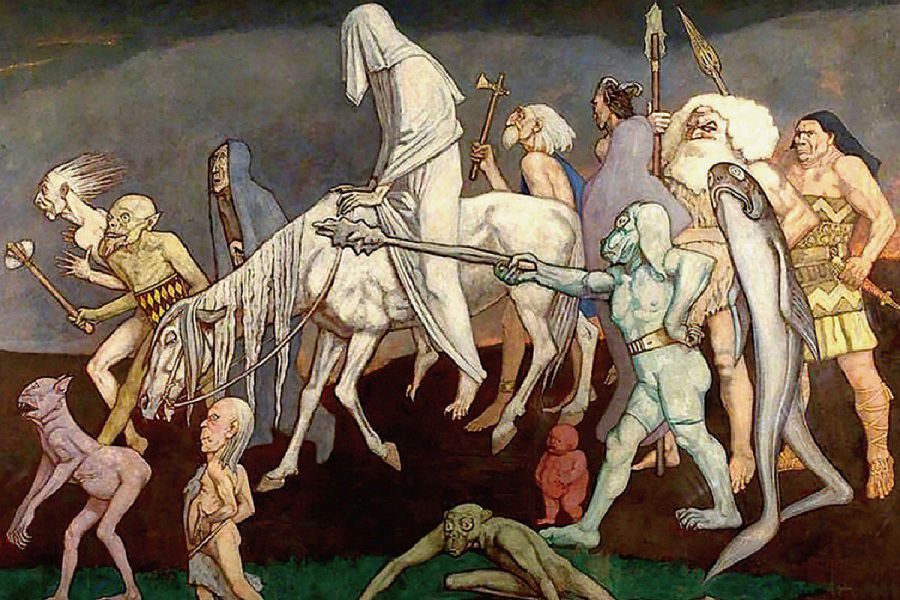
Bres is a significant figure in Irish mythology, known primarily from the Mythological Cycle, which consists of tales about the gods and ancient heroes of Ireland. He is often associated with the Tuatha Dé Danann, a race of supernatural beings who are said to have inhabited Ireland before the arrival of the Milesians. Bres is a character who embodies both beauty and tragedy, representing the complex nature of power and leadership in these ancient tales. His story intertwines themes of identity, betrayal, and the struggle for acceptance, making him a fascinating subject for those interested in the depths of Irish lore.
Origins of Bres
Bres is the son of the Fomorian king Elatha and the goddess Brigid. This lineage is significant because it places him at the crossroads of two powerful races in Irish mythology. The Fomorians are often depicted as monstrous beings who represent chaos and darkness, while the Tuatha Dé Danann symbolize light and order. This dual heritage gives Bres a unique perspective and complicates his character. He is born into a world where he must navigate the expectations and conflicts of both sides, which ultimately shapes his destiny.
 Salmon Of Knowledge
In the stories, Bres is often described as exceptionally handsome and charming, qualities that initially endear him to the people of the Tuatha Dé Danann. His beauty and charisma are vital to his character, as they allow him to rise to power despite his Fomorian heritage. This aspect of his character highlights a recurring theme in Irish mythology: the idea that appearances can be deceiving. Although Bres is initially seen as a worthy leader, his actions later reveal deeper flaws that lead to his downfall.
Bres and the Tuatha Dé Danann
After the Tuatha Dé Danann defeat the Fomorians, Bres is chosen to be their king. His ascension is marked by a combination of political maneuvering and the appeal of his lineage. However, his rule is not as prosperous as the Tuatha Dé Danann had hoped. Bres struggles to connect with his subjects, who soon grow disillusioned with his leadership. The disconnect between Bres and the people becomes evident when they realize he is more concerned with his own interests than with the welfare of the kingdom.
One of the most notable aspects of Bres’s reign is his failure to uphold the traditions and values of the Tuatha Dé Danann. He neglects the rituals and practices that are crucial to the community’s identity. This oversight leads to a significant rift between him and the people, who begin to question his ability to lead. The dissatisfaction culminates in a series of events that force Bres to confront the reality of his leadership and the expectations placed upon him.
 Bobd Dearg
The Downfall of Bres
Bres’s downfall is primarily attributed to his inability to fulfill the responsibilities of a king. As discontent grows among the Tuatha Dé Danann, they turn to the legendary hero Cú Chulainn and other leaders to challenge Bres’s authority. This rebellion is a pivotal moment in Bres’s story, as it highlights the consequences of his neglect and self-interest. The heroes rally the people, emphasizing the need for a leader who genuinely cares for their well-being.
In the face of mounting opposition, Bres attempts to regain favor by promising to improve his leadership. However, his efforts are seen as insincere, and the people remain unconvinced. This situation illustrates a crucial lesson in leadership: that true authority is earned through genuine care and connection with the community, rather than simply inherited through lineage or beauty. Bres’s inability to learn this lesson ultimately leads to his exile, marking a dramatic turn in his narrative.
The Legacy of Bres
 Bóann
BóannDespite his flaws and eventual downfall, Bres’s legacy endures in Irish mythology. He serves as a cautionary tale about the importance of responsibility and integrity in leadership. His story resonates with themes of identity and belonging, illustrating the struggles that come with navigating multiple cultural backgrounds. Bres’s character prompts readers to reflect on the complexities of heritage and the impact it can have on one’s role within a community.
Furthermore, Bres’s tale is often interpreted as a reflection of the broader conflicts between the Tuatha Dé Danann and the Fomorians. His existence symbolizes the ongoing struggle between order and chaos, light and dark, which is a central theme in many Irish myths. This duality makes Bres a multifaceted character whose story invites deeper exploration and understanding of the myths that shape Irish cultural identity.
Bres in Modern Culture
The figure of Bres continues to inspire various forms of modern art and literature. In contemporary retellings of Irish mythology, he is often portrayed as a tragic hero, grappling with the weight of his lineage and the expectations of his role. This portrayal resonates with audiences today, as it reflects the universal themes of struggle, identity, and the quest for acceptance that are relevant across cultures and time periods.
Many artists and writers have drawn upon Bres’s story to explore themes of leadership and identity in their works. From novels to plays and visual art, Bres’s character serves as a powerful symbol of the complexities of human experience. His legacy encourages a deeper examination of what it means to lead and the responsibilities that come with power, making him a relevant figure in discussions of modern leadership and community.
The Role of Women in Bres’s Story
Women play a crucial role in the narrative surrounding Bres, particularly through characters like Brigid, his mother. Brigid is a significant goddess in Irish mythology, representing fertility, healing, and poetry. Her influence is felt throughout Bres’s story, as she embodies the values of the Tuatha Dé Danann. However, Bres’s actions often stand in stark contrast to these ideals, highlighting the tension between his lineage and the expectations of his role.
Additionally, the women in Bres’s life, including his wife and the goddesses of the Tuatha Dé Danann, serve as important figures in the unfolding drama. Their perspectives and responses to Bres’s leadership illustrate the complexities of gender roles in Irish mythology. The narrative invites readers to consider how women’s voices and experiences shape the stories of their male counterparts, enriching the tapestry of mythology and offering a more nuanced understanding of the characters involved.
Lessons from Bres’s Story
The story of Bres imparts several valuable lessons that resonate with audiences today. One of the most prominent themes is the idea that true leadership requires more than just charisma or lineage. It emphasizes the importance of compassion, integrity, and a genuine connection with the community. Bres’s downfall serves as a reminder that leaders must prioritize the needs of their people and uphold the values of their culture.
Moreover, Bres’s narrative encourages individuals to reflect on their own identities and the complexities that come with them. His dual heritage presents a unique challenge, prompting discussions about how one navigates multiple cultural influences. This aspect of his story resonates with many people today, particularly those from diverse backgrounds, as it speaks to the ongoing journey of self-discovery and acceptance.
Conclusion: The Enduring Relevance of Bres
In exploring the life and legacy of Bres, we uncover the rich tapestry of Irish mythology and the lessons it offers. His story, filled with beauty, tragedy, and complexity, continues to inspire and provoke thought in contemporary society. As we delve into the narratives of our past, we find that figures like Bres not only enrich our understanding of mythology but also challenge us to reflect on our own lives and the values we hold dear.