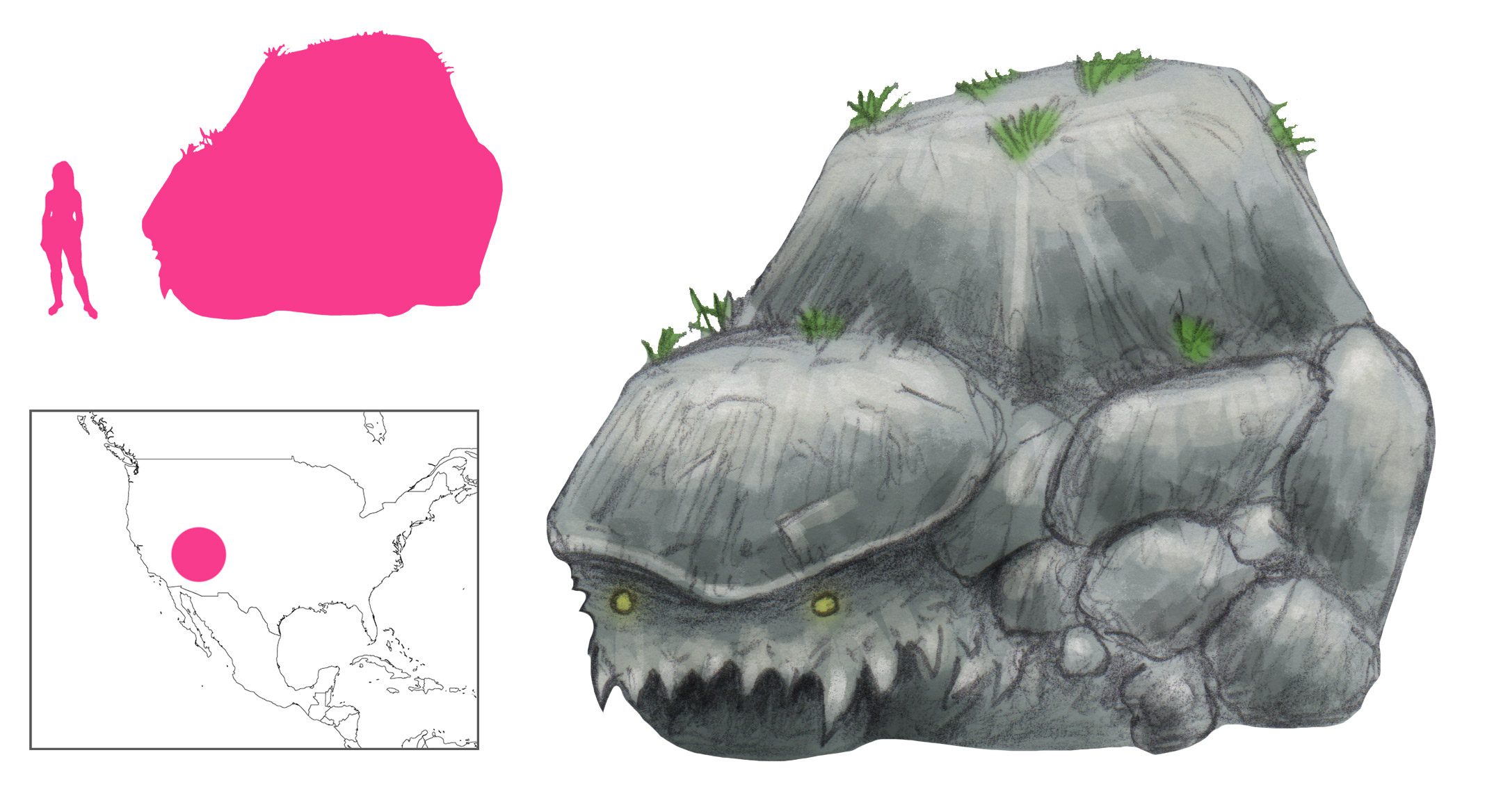
Binaye Ahani, also known as the Son of the Earth, is a significant figure in Navajo mythology. He is a central character in various stories and legends that explain the origins of the Navajo people and their connection to the earth and nature. The tales surrounding Binaye Ahani illustrate the values, beliefs, and cultural practices of the Navajo, emphasizing their relationship with the environment and the importance of harmony in life. Through these stories, Binaye Ahani serves not only as a character but also as a symbol of resilience, strength, and the enduring spirit of the Navajo.
The Origin of Binaye Ahani
According to Navajo tradition, Binaye Ahani was born from the union of Earth and Sky. This origin story is crucial as it signifies the connection between the Navajo people and the natural world. The Earth represents stability and nourishment, while the Sky symbolizes freedom and the vastness of existence. The birth of Binaye Ahani illustrates the harmony between these two elements, suggesting that the Navajo people are deeply intertwined with the universe. The stories often depict him as a child who embodies the qualities of both parents, inheriting the strength of the earth and the wisdom of the sky.
 Bikeh Hozho
In many narratives, Binaye Ahani is also associated with the changing seasons and the cycles of nature. His life is often depicted in relation to the growth of plants and the migration of animals, emphasizing the importance of these elements in the lives of the Navajo. The stories explain how Binaye Ahani learns to interact with the world around him, developing skills that are vital for survival. This connection to nature is a recurring theme in Navajo mythology, reflecting the people’s reliance on the land for sustenance and spiritual fulfillment.
Binaye Ahani and His Adventures
Binaye Ahani’s adventures are filled with lessons and moral teachings that resonate with the values of the Navajo people. One of the most famous tales involves his journey to find his place in the world. In this story, Binaye Ahani encounters various challenges and obstacles, each representing different aspects of life. Through his experiences, he learns important lessons about courage, perseverance, and respect for all living things. These narratives not only entertain but also serve as a means of passing down wisdom from one generation to the next.
During his adventures, Binaye Ahani meets various characters who help him along the way. These characters often embody different traits, such as kindness, wisdom, or trickery. For example, he may encounter a wise old man who provides guidance or a mischievous spirit who tests his resolve. Each encounter teaches Binaye Ahani something new, reinforcing the idea that learning is a lifelong journey. The relationships he builds throughout his adventures highlight the importance of community and the interconnectedness of all beings.
 Begocidi
Key Lessons from Binaye Ahani’s Adventures
- Courage: Facing fears and overcoming challenges is a central theme in Binaye Ahani’s stories.
- Respect for Nature: Many tales emphasize the importance of living in harmony with the environment.
- Community: The value of relationships and working together is often highlighted in his adventures.
- Wisdom: Learning from experiences and listening to others is crucial for personal growth.
Binaye Ahani and the Elements
In Navajo mythology, Binaye Ahani is often linked to the four elements: earth, water, fire, and air. Each element plays a vital role in the stories and reflects different aspects of life. For example, earth represents stability and nourishment, while water symbolizes cleansing and renewal. Fire is associated with transformation and energy, and air represents freedom and the spirit. Binaye Ahani’s connection to these elements underscores the Navajo belief in the balance of nature and the importance of respecting each element.
Through his interactions with these elements, Binaye Ahani teaches the Navajo people about the significance of maintaining balance in their lives. The stories often illustrate how the elements can be both beneficial and destructive, depending on how they are treated. For instance, when Binaye Ahani shows respect for fire, it provides warmth and light. However, if misused, it can lead to destruction. This duality reflects the Navajo understanding of the natural world, where every element has its place and purpose.
The Cultural Significance of Binaye Ahani
 Ma’ii
Ma’iiBinaye Ahani is not just a mythical figure; he embodies the cultural identity of the Navajo people. His stories are a means of preserving traditions, values, and beliefs that have been passed down through generations. The tales serve as a reminder of the importance of community, respect for nature, and the interconnectedness of all living things. In this way, Binaye Ahani acts as a cultural bridge, linking the past with the present and ensuring that the teachings of the ancestors continue to resonate with future generations.
Moreover, Binaye Ahani’s adventures and the lessons learned from them are often integrated into various cultural practices, such as ceremonies and storytelling gatherings. These practices help to reinforce the values associated with his character, fostering a sense of unity and shared identity among the Navajo people. Through the retelling of his stories, individuals are reminded of their responsibilities to one another and to the earth, encouraging a lifestyle that honors their heritage.
Binaye Ahani in Modern Context
In contemporary times, the figure of Binaye Ahani continues to hold significance for the Navajo people. Many modern Navajos draw inspiration from his stories as they navigate the challenges of modern life. The themes of resilience, respect for nature, and the importance of community remain relevant today, providing guidance in a rapidly changing world. As the Navajo people face issues such as environmental degradation and cultural assimilation, the lessons embodied by Binaye Ahani serve as a source of strength and motivation.
Additionally, Binaye Ahani’s influence can be seen in various forms of art, literature, and education. Artists often depict him in paintings and sculptures, capturing the essence of his character and the stories that surround him. Writers incorporate his tales into books and poems, ensuring that his legacy endures. Educational programs that focus on Navajo culture often include lessons about Binaye Ahani, helping young people understand their heritage and the values that define their community.
Binaye Ahani is a vital figure in Navajo mythology, representing the connection between the Navajo people and the natural world. His stories illustrate important lessons about courage, respect for nature, and the significance of community. As a symbol of resilience and strength, Binaye Ahani continues to inspire and guide the Navajo people in their lives today. His legacy serves as a reminder of the enduring power of storytelling and the importance of preserving cultural heritage.