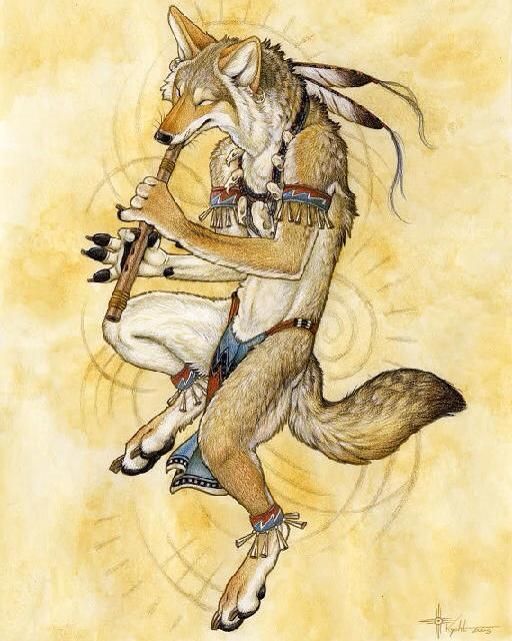
Ma’ii is a significant figure in Navajo mythology, often depicted as a cunning and clever character. He is commonly referred to as the Coyote in many Native American cultures, but his persona varies across different tribes. In the Navajo tradition, Ma’ii embodies both trickster and teacher roles. Through his actions and stories, he imparts valuable lessons about life, morality, and the consequences of one’s actions. His narratives often explore themes of deception, wisdom, and the balance between good and evil.
Origins of Ma’ii
The origins of Ma’ii can be traced back to the creation stories of the Navajo people. According to these stories, he was one of the first beings created by the Holy People, the spiritual beings in Navajo belief. Ma’ii was given the ability to speak and think, which allowed him to interact with other creatures and the environment. However, his curiosity and desire for knowledge often led him into trouble. He is known for his ability to manipulate situations to his advantage, showcasing both his intelligence and his flaws.
 Anaye
AnayeIn Navajo cosmology, Ma’ii is often associated with the desert and the mountains. His stories frequently take place in these settings, emphasizing the relationship between the land and its inhabitants. Ma’ii’s character reflects the duality of nature; he can be both nurturing and destructive. This duality is essential in understanding the balance that exists within the Navajo worldview. Ma’ii serves as a reminder of the complexities of life and the importance of harmony.
Characteristics of Ma’ii
Ma’ii is characterized by his intelligence and resourcefulness. He often uses his wit to outsmart others, whether they are animals or humans. His cleverness is both a strength and a weakness, as it can lead him into situations where he faces dire consequences. This aspect of his character illustrates the idea that intelligence alone does not guarantee success; one must also consider the moral implications of their actions.
Another significant characteristic of Ma’ii is his playfulness. He enjoys engaging in mischief and trickery, often leading to humorous situations. This playful nature makes his stories entertaining and engaging for listeners. However, beneath the surface, these tales carry deeper meanings and moral lessons. Ma’ii’s antics serve as a way to teach important life lessons, encouraging individuals to reflect on their choices and the impact they have on others.
 Ahsonnutli
Ma’ii in Navajo Stories
Ma’ii appears in numerous Navajo stories that have been passed down through generations. One of the most famous tales involves Ma’ii and his encounters with other animals, such as Bear and Mountain Lion. In these stories, Ma’ii often tries to outwit his companions, leading to unexpected outcomes. These narratives emphasize the importance of being aware of one’s surroundings and understanding the strengths and weaknesses of others.
Another popular story features Ma’ii attempting to steal fire from the Holy People. In this tale, Ma’ii’s desire for fire symbolizes the quest for knowledge and power. However, his plans are thwarted by his own foolishness and overconfidence. This story serves as a cautionary tale about the dangers of greed and the consequences of one’s actions. Through these narratives, Ma’ii teaches valuable lessons about humility and respect for the natural world.
The Role of Ma’ii in Navajo Culture
 Tsohanoai
Ma’ii holds a vital role in Navajo culture, as he represents the complexities of human nature. His stories are often shared during cultural events and gatherings, serving as a way to connect with the past and impart wisdom to future generations. The teachings of Ma’ii encourage individuals to reflect on their own behavior and the impact it has on their community.
In addition to storytelling, Ma’ii’s character is also represented in various forms of art, such as weaving and pottery. These artistic expressions often depict scenes from his stories, highlighting his importance in Navajo mythology. The visual representation of Ma’ii allows for a deeper understanding of his character and the lessons he embodies. This integration of storytelling and art reinforces the significance of cultural heritage and the importance of preserving these narratives.
Lessons from Ma’ii
The tales of Ma’ii offer numerous lessons that are relevant to both Navajo culture and the broader human experience. One of the most prominent lessons is the importance of humility. Many stories illustrate how Ma’ii’s arrogance leads to his downfall, teaching the value of being humble and recognizing one’s limitations. This lesson is essential for personal growth and fostering positive relationships with others.
- Responsibility: Ma’ii’s actions often have consequences that affect others. This highlights the importance of taking responsibility for one’s choices and considering how they impact the community.
- Wisdom: The stories encourage listeners to seek wisdom and knowledge, but also to use that knowledge wisely. Ma’ii’s experiences serve as a reminder that intelligence should be paired with ethical considerations.
- Balance: The duality of Ma’ii’s character emphasizes the need for balance in life. Understanding the coexistence of good and evil, joy and sorrow, is crucial for navigating life’s challenges.
Through these lessons, Ma’ii serves as a guide for individuals seeking to navigate their own lives. His stories remind us of the importance of self-reflection and the need to learn from our experiences. The teachings of Ma’ii are timeless and continue to resonate with people of all ages.
Modern Interpretations of Ma’ii
In contemporary society, Ma’ii’s character has evolved, yet his essence remains relevant. Modern interpretations of Ma’ii often explore themes of identity and cultural resilience. As Navajo people navigate the complexities of modern life, the lessons from Ma’ii’s stories provide guidance and support. Artists, writers, and educators are increasingly incorporating Ma’ii into their work, ensuring that his teachings continue to be shared with future generations.
Additionally, Ma’ii’s character is sometimes used as a symbol of protest against social injustices. By invoking Ma’ii, individuals can express their frustrations with societal norms and advocate for change. This modern adaptation of Ma’ii highlights the enduring power of mythology in addressing contemporary issues. His stories serve as a source of inspiration for those seeking to challenge the status quo and promote positive change within their communities.
Ma’ii in Art and Literature
The influence of Ma’ii extends beyond oral traditions; he has made his mark in various forms of art and literature. Many Navajo artists draw inspiration from Ma’ii, creating pieces that reflect his character and the lessons he embodies. These artworks often incorporate traditional symbols and motifs, blending cultural heritage with modern artistic expressions. Through these creations, artists pay homage to Ma’ii while also exploring their own interpretations of his significance.
In literature, Ma’ii appears in both traditional stories and contemporary works. Authors often reinterpret his character, exploring new dimensions of his persona. These literary adaptations allow for a deeper understanding of Ma’ii and his role in Navajo mythology. By examining his character through different lenses, readers can appreciate the complexity and richness of his stories.
The Global Significance of Ma’ii
While Ma’ii is rooted in Navajo culture, his character resonates with audiences beyond the Navajo Nation. The themes of trickery, wisdom, and the human experience are universal, allowing people from various backgrounds to connect with his stories. The trickster archetype, represented by figures like Ma’ii, exists in many cultures around the world, highlighting the shared human experience of navigating life’s challenges.
In a global context, Ma’ii’s stories encourage cross-cultural understanding and appreciation for diverse mythologies. By sharing these tales, individuals can gain insights into the values and beliefs of the Navajo people. This exchange fosters a sense of respect and appreciation for cultural diversity, emphasizing the importance of preserving and sharing traditional narratives.
Conclusion: The Enduring Legacy of Ma’ii
Ma’ii’s legacy endures through the stories, teachings, and cultural expressions of the Navajo people. His character embodies the complexities of life and serves as a guide for navigating the challenges we face. As individuals continue to share and reinterpret his stories, Ma’ii remains a vital part of Navajo mythology and cultural identity. Through his lessons, we are reminded of the importance of humility, responsibility, and the pursuit of wisdom. Ma’ii’s impact transcends time and place, making him a timeless figure in the tapestry of human experience.