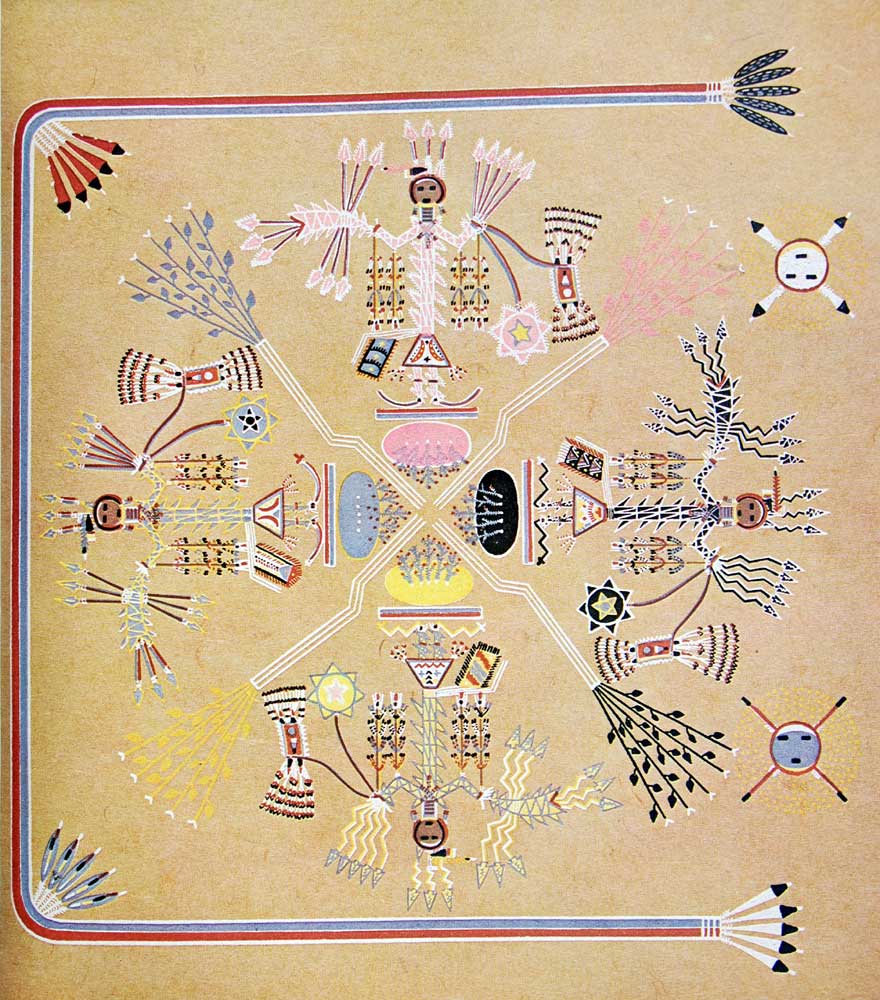
In the rich tapestry of Navajo mythology, the concept of Bikeh Hozho holds significant meaning. This term, which translates to “the beauty of life” or “the beauty of the world,” embodies a philosophy that emphasizes harmony, balance, and the interconnectedness of all things. In the Navajo worldview, everything is linked, and maintaining this connection is essential for a fulfilling life. The teachings surrounding Bikeh Hozho are deeply rooted in the culture, traditions, and practices of the Navajo people, serving as a guiding principle in their daily lives.
The Essence of Bikeh Hozho
 Begocidi
At its core, Bikeh Hozho represents a state of being that encompasses beauty, balance, and harmony. It is not merely an aesthetic quality but rather a holistic approach to life that encourages individuals to seek peace and unity with their surroundings. The Navajo people believe that achieving Bikeh Hozho requires a deep understanding of one’s place in the world and a commitment to nurturing relationships with both people and nature. This perspective fosters a sense of responsibility towards the environment and encourages individuals to live in a way that respects the earth and its resources.
The concept of Bikeh Hozho is often reflected in various aspects of Navajo life, including art, music, and storytelling. These cultural expressions serve as reminders of the importance of beauty and harmony in the world. For example, traditional Navajo songs often celebrate the natural world, highlighting the beauty of landscapes, animals, and plants. By acknowledging and honoring these elements, the Navajo people reinforce their connection to the land and the concept of Bikeh Hozho.
Spiritual Significance
The spiritual significance of Bikeh Hozho cannot be overstated. In Navajo belief, achieving a state of harmony is essential for maintaining one’s spiritual health. When individuals experience turmoil or imbalance in their lives, it is believed that they may be disconnected from Bikeh Hozho. This disconnection can lead to various forms of suffering, including physical illness, emotional distress, and social discord. Therefore, the pursuit of Bikeh Hozho is not just a personal journey but a communal one, where individuals support each other in seeking balance and beauty.
 Ma’ii
Ma’iiMany rituals and ceremonies in Navajo culture are designed to restore harmony and promote Bikeh Hozho. These practices often involve prayers, songs, and offerings to the spirits and ancestors. By participating in these ceremonies, individuals reaffirm their commitment to the values of Bikeh Hozho and seek guidance in their lives. The ceremonies serve as a reminder that beauty and harmony are attainable, but they require effort and dedication to maintain.
Bikeh Hozho in Daily Life
Incorporating the principles of Bikeh Hozho into daily life is a fundamental aspect of Navajo culture. From the way individuals interact with each other to their relationship with nature, the pursuit of beauty and harmony is ever-present. For instance, the practice of hózhó, which translates to “to be beautiful” or “to walk in beauty,” encourages individuals to approach each day with a positive mindset. This outlook fosters gratitude and appreciation for the world around them, allowing people to find joy in even the simplest of moments.
Additionally, the concept of Bikeh Hozho extends to community relationships. Navajo people place great importance on family and community bonds, believing that strong connections lead to a more harmonious life. By nurturing these relationships, individuals contribute to a collective sense of well-being. Community gatherings, such as potlucks and celebrations, serve as opportunities for people to come together, share their stories, and reinforce their ties to one another, embodying the spirit of Bikeh Hozho.
 Anaye
AnayeArt and Expression
Art plays a crucial role in expressing the principles of Bikeh Hozho. Traditional Navajo art forms, such as weaving, pottery, and painting, often incorporate symbols and themes that reflect the beauty of nature and the interconnectedness of life. For example, Navajo rugs are renowned for their intricate designs, which often depict natural elements like mountains, rivers, and animals. These designs not only showcase the artistic skill of the weaver but also serve as a reminder of the beauty that surrounds us.
Moreover, storytelling is another vital aspect of Navajo culture that embodies the essence of Bikeh Hozho. Oral traditions are rich with tales that illustrate the importance of harmony and balance. Through these stories, lessons are imparted about respecting nature, caring for one another, and the consequences of straying from the path of beauty. By passing down these narratives, the Navajo people ensure that the values of Bikeh Hozho continue to resonate with future generations.
Challenges to Bikeh Hozho
Despite the deep-rooted significance of Bikeh Hozho, modern challenges threaten its practice and understanding. Rapid urbanization, environmental degradation, and cultural assimilation pose significant obstacles for the Navajo people. As traditional ways of life are disrupted, individuals may struggle to maintain their connection to the land and the principles of Bikeh Hozho. This disconnection can lead to feelings of isolation and discontent, further exacerbating the challenges faced by the community.
Additionally, external influences, such as globalization and consumerism, can detract from the values of simplicity and harmony that Bikeh Hozho promotes. The constant bombardment of advertisements and materialism can create a sense of discontent, pushing individuals away from the beauty that exists in their immediate surroundings. It is crucial for the Navajo people to find ways to counter these influences and reinforce the teachings of Bikeh Hozho within their communities.
Education and Preservation
To combat the challenges to Bikeh Hozho, education plays a vital role in preserving the teachings and practices associated with this concept. Many Navajo communities are working to integrate traditional knowledge into their educational systems. By teaching young people about the significance of Bikeh Hozho, they are fostering a sense of pride and connection to their cultural heritage. This education helps to ensure that future generations understand the importance of harmony and balance in their lives.
Furthermore, initiatives aimed at environmental conservation are also essential for maintaining the principles of Bikeh Hozho. By protecting the land and natural resources, the Navajo people can continue to cultivate a relationship with their environment that reflects the beauty and harmony they seek. Community-led projects focused on sustainability, such as community gardens and clean-up initiatives, not only promote environmental stewardship but also reinforce the values of cooperation and unity.
The Future of Bikeh Hozho
The future of Bikeh Hozho relies on the resilience of the Navajo people and their commitment to preserving their cultural identity. As they navigate the complexities of modern life, the teachings of Bikeh Hozho will serve as a guiding light. By embracing the principles of beauty, balance, and harmony, individuals can create a life that is rich in meaning and fulfillment.
Additionally, as awareness of Navajo culture grows beyond their communities, there is potential for broader appreciation of the values embodied in Bikeh Hozho. Sharing these teachings with others can foster a greater understanding of the importance of living in harmony with the world. As more people recognize the significance of interconnectedness and balance, the teachings of Bikeh Hozho may inspire a collective movement towards a more harmonious existence.
Bikeh Hozho stands as a powerful testament to the wisdom of the Navajo people and their understanding of life. It is a reminder that beauty and harmony are attainable goals, requiring conscious effort and dedication. As the Navajo community continues to uphold these values, they not only enrich their own lives but also contribute to a more beautiful and balanced world for everyone.