
Bangu Mate is a significant figure in Latvian mythology, representing the spirit of the earth and fertility. She is often associated with the natural world, embodying the nurturing aspects of the land. In Latvian culture, Bangu Mate is revered for her role in agriculture and the growth of plants. This article will delve into her characteristics, stories, and the cultural significance of Bangu Mate in Latvian traditions.
Characteristics of Bangu Mate
Bangu Mate is often depicted as a maternal figure, symbolizing the connection between humans and nature. Her name translates to “Mother of Waves,” indicating her relationship with water, particularly in the context of rivers and lakes. Water is essential for life, and Bangu Mate is believed to control the waters that nourish the land. She is portrayed as a gentle, yet powerful force, embodying the duality of nature—capable of both nurturing and destruction.
 Auseklis
In various stories, Bangu Mate is shown to have a close relationship with the elements. She is often depicted alongside other natural spirits, such as the spirits of the forest and the winds. This interconnectedness highlights the importance of harmony in nature, a key theme in Latvian mythology. The stories often emphasize her protective nature, as she watches over the crops and ensures a bountiful harvest.
Legends and Stories
One of the most famous legends involving Bangu Mate describes how she created the first fields. According to the tale, she walked across the land, and wherever her feet touched the ground, flowers and plants began to grow. This legend illustrates her role as a creator and nurturer, showcasing her importance in the agricultural cycle. The fields that sprang from her footsteps became the source of sustenance for the people.
Another story recounts how Bangu Mate helped a group of farmers who were struggling with a drought. In their desperation, they prayed to her for rain. Moved by their plight, she descended from her celestial realm and danced upon the fields. As she danced, clouds gathered, and soon, rain began to fall. This story not only highlights her power over water but also reinforces the idea of seeking help from nature in times of need.
 Zemes Mate
Significance in Agriculture
The influence of Bangu Mate extends deeply into the agricultural practices of Latvia. Farmers often invoke her name before planting seeds, hoping for her blessing. Rituals and offerings are made to ensure a fruitful harvest, and these traditions reflect a deep respect for the earth and its resources. Bangu Mate symbolizes the cycle of life, reminding people of their dependence on nature.
- Farmers celebrate festivals in her honor.
- Rituals include planting seeds and making offerings.
- Her blessings are sought for rain and fertility.
The connection between Bangu Mate and agriculture is a reminder of the delicate balance between human needs and the environment. The stories emphasize that respect for nature leads to prosperity, reinforcing the idea that humans must live in harmony with the land. This relationship between Bangu Mate and agriculture is a vital aspect of Latvian cultural identity.
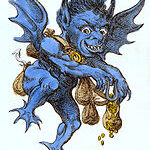 Velns
VelnsFestivals and Celebrations
In Latvia, various festivals celebrate the changing seasons and the agricultural cycle, many of which honor Bangu Mate. These festivals often include traditional songs, dances, and rituals that pay tribute to her. One of the most significant celebrations is the summer solstice, known as Jāņi, where people celebrate the peak of the growing season.
During Jāņi, communities gather to sing songs that invoke Bangu Mate’s spirit, asking for her blessings on their crops. The festivities include lighting bonfires, feasting, and dancing, all of which symbolize the joy of the harvest. This celebration is a time for people to express gratitude for the abundance provided by Bangu Mate and the earth.
Traditional Songs and Dances
Traditional Latvian songs often feature references to Bangu Mate, emphasizing her importance in the cultural heritage of the country. These songs are typically sung during agricultural festivals, and they recount stories of her blessings and the beauty of the natural world. The melodies are often uplifting, reflecting the joy of the harvest and the connection to nature.
- Songs celebrate the beauty of nature.
- Dances mimic the movements of Bangu Mate.
- Lyrics express gratitude for her blessings.
Additionally, traditional dances during these festivals are designed to honor her. Participants often wear costumes made from natural materials, symbolizing their connection to the earth. The dances reflect the rhythms of nature, celebrating the cycles of planting, growth, and harvest. This vibrant expression of culture reinforces the importance of Bangu Mate in Latvian life.
Bangu Mate in Modern Culture
Despite the passage of time, Bangu Mate remains a relevant figure in modern Latvian culture. Many people still hold her in high regard, particularly in rural areas where agriculture plays a central role in daily life. The values associated with Bangu Mate—respect for nature, community, and gratitude—continue to resonate with the younger generations.
In contemporary art, Bangu Mate is often depicted in paintings, sculptures, and literature, reflecting her enduring significance. Artists draw inspiration from her stories, using her image to explore themes of nature and femininity. This artistic representation serves to keep her memory alive, ensuring that the lessons she embodies are not forgotten.
Environmental Awareness
As environmental concerns grow globally, the teachings of Bangu Mate have become increasingly relevant. Her representation as a guardian of the earth encourages people to consider their impact on nature. Many modern Latvians advocate for sustainable practices in agriculture, drawing inspiration from the mythology surrounding Bangu Mate. The idea of living in harmony with the land is a powerful message that aligns with contemporary environmental movements.
- Promoting sustainable farming practices.
- Encouraging conservation of natural resources.
- Raising awareness about environmental issues.
By invoking Bangu Mate in discussions about environmental protection, people remind themselves of their responsibilities towards the earth. This connection between mythology and modern challenges illustrates how ancient beliefs can inform contemporary practices and values.
Bangu Mate stands as a powerful symbol in Latvian mythology, representing the connection between humanity and the natural world. Her stories emphasize the importance of agriculture, community, and respect for the environment. Through festivals, traditional songs, and modern artistic representations, Bangu Mate continues to inspire and educate people about the significance of living in harmony with nature.
As we navigate the challenges of the modern world, the lessons of Bangu Mate remind us of the importance of nurturing our relationship with the earth. By honoring her legacy, we can work towards a sustainable future that respects the delicate balance of nature.