In the rich tapestry of Maya mythology, one of the most fascinating figures is Baklum Chaam. He is often associated with various aspects of life, including creation, agriculture, and the cycles of nature. Understanding Baklum Chaam requires delving into the broader context of Maya beliefs and practices. The Mayans had a complex worldview that intertwined the physical and spiritual realms. This article will explore Baklum Chaam’s significance, his characteristics, and the stories surrounding him, as well as his impact on Maya culture and traditions.
Origins of Baklum Chaam
The origins of Baklum Chaam are deeply rooted in Maya cosmology. According to various Maya texts and oral traditions, he is considered a god of agriculture and a protector of crops. His name can be translated to mean “the one who brings life” or “the one who provides sustenance.” This reflects his vital role in the agricultural practices of the Maya people. The Mayans believed that without the favor of Baklum Chaam, their crops would fail, leading to famine and hardship.
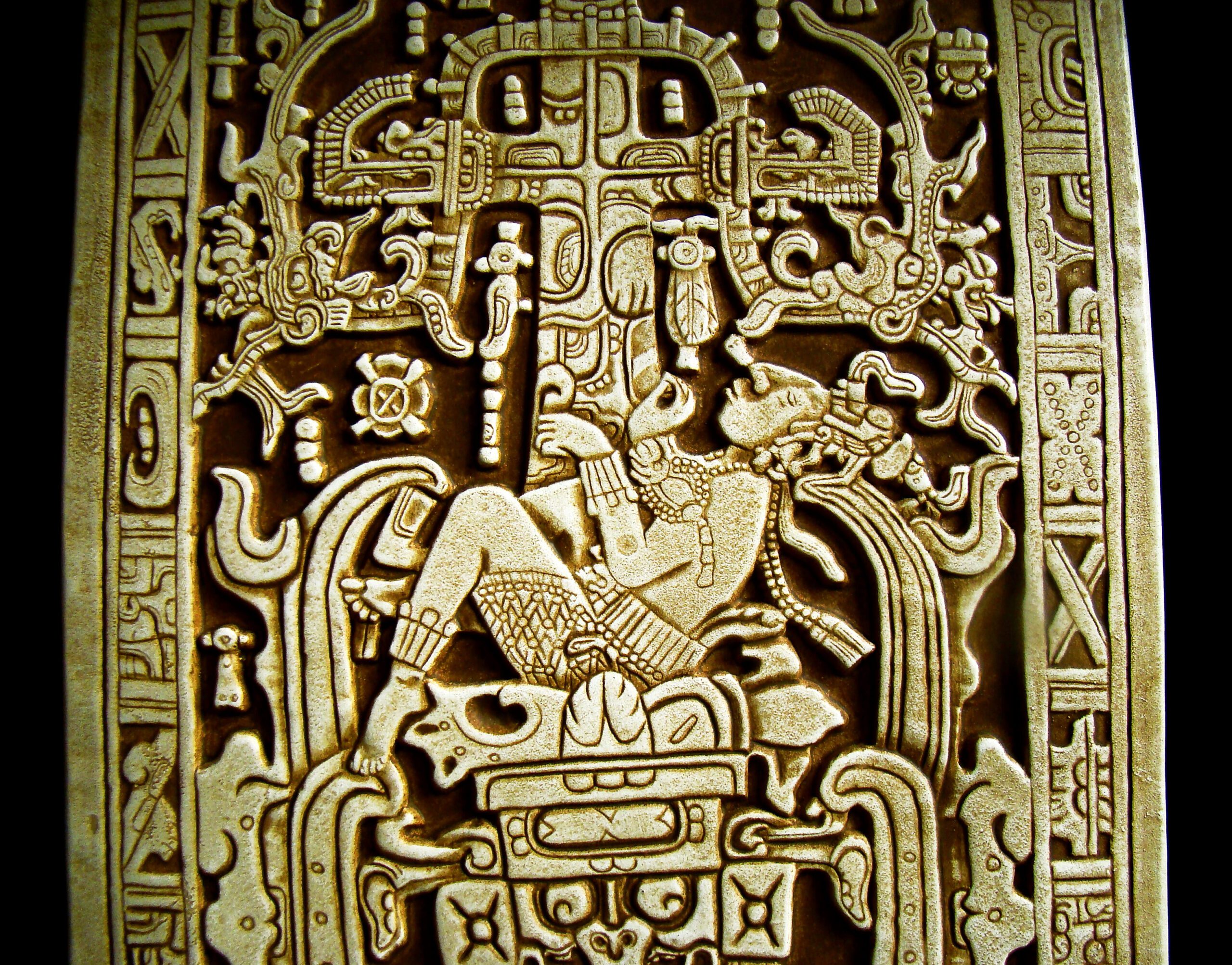
In the ancient Maya city of Tikal, numerous depictions of Baklum Chaam can be found in carvings and murals. These artworks often illustrate him surrounded by agricultural scenes, reinforcing his connection to farming and the earth. The Mayans viewed him as a benevolent figure, responsible for ensuring that the land remained fertile and productive. His role as a deity was not only limited to agriculture but also extended to the cycles of life and death, embodying the balance that is so crucial in Maya belief.
Characteristics of Baklum Chaam
Baklum Chaam is often depicted as a youthful and vigorous figure, symbolizing the vitality of nature and the earth. He is frequently shown wearing traditional Maya clothing, adorned with various symbols that represent his connection to agriculture and fertility. One of the most notable characteristics of Baklum Chaam is his association with the corn plant, which is a staple in the Maya diet. Corn, or maize, was not just a food source; it held significant spiritual importance for the Maya, and Baklum Chaam was seen as its divine guardian.
 Alphabet Gods
In many representations, Baklum Chaam holds farming tools, such as a hoe or a planting stick, emphasizing his role in agricultural practices. His presence in rituals and ceremonies related to planting and harvesting was essential, as the Maya sought his blessings for a bountiful harvest. Furthermore, Baklum Chaam is often associated with the rain gods, as water is vital for crop growth. This connection highlights the interdependence of different natural elements in Maya mythology.
Myths and Legends
Numerous myths and legends surround Baklum Chaam, each illustrating his significance in the lives of the Maya people. One popular legend tells the story of how Baklum Chaam taught the Maya the art of agriculture. According to this tale, he descended from the heavens during a time of great famine. The people were desperate and prayed for help. In response, Baklum Chaam appeared and showed them how to plant corn, beans, and squash, which became the foundation of their diet.
This myth emphasizes the importance of agriculture in Maya society and highlights Baklum Chaam’s role as a benevolent teacher. His teachings not only provided sustenance but also fostered a sense of community among the Maya people. They learned to work together in the fields, sharing the labor and the rewards of their hard work. This communal aspect of agriculture is still evident in many Maya communities today, where traditional farming practices continue to thrive.
 Alaghom
Rituals and Ceremonies
Rituals and ceremonies dedicated to Baklum Chaam were integral to Maya culture. These events were often held at the beginning of the planting season, as the Maya sought his blessings for a successful harvest. During these ceremonies, the community would gather to perform various rituals, including offerings of food, flowers, and incense. The rituals aimed to honor Baklum Chaam and express gratitude for the gifts of the earth.
- Offerings of maize and other crops
- Burning of incense to invoke his presence
- Group prayers and songs to celebrate the planting season
Additionally, the Maya would often create altars dedicated to Baklum Chaam in their fields. These altars served as a physical representation of their devotion and a place for ongoing communication with the deity. Farmers would visit these altars regularly to make offerings and seek guidance, reinforcing the deep connection between spirituality and agriculture in Maya society.
Symbolism of Baklum Chaam
The symbolism associated with Baklum Chaam extends beyond agriculture. He embodies the cycles of life, death, and rebirth that are central to the Maya worldview. The agricultural cycle, from planting to harvest, mirrors the natural cycles of the earth, reinforcing the idea that life is a continuous process. Baklum Chaam represents this cycle, reminding the Maya people of their dependence on nature and the importance of respecting the earth.
Furthermore, Baklum Chaam symbolizes the community’s relationship with the gods. The Maya believed that their well-being was directly linked to the favor of their deities. By honoring Baklum Chaam and seeking his blessings, they aimed to ensure not only their survival but also the prosperity of their community. This relationship highlights the interconnectedness of the physical and spiritual realms in Maya culture.
Baklum Chaam in Modern Maya Culture
Even today, Baklum Chaam remains a significant figure in modern Maya culture. Many contemporary Maya communities continue to practice traditional agricultural methods that honor the ancient customs associated with Baklum Chaam. Festivals celebrating the planting and harvesting seasons often include rituals and ceremonies that pay homage to him, reflecting a deep respect for their ancestral beliefs.
In addition, the teachings and values associated with Baklum Chaam continue to influence the way Maya people view their relationship with the land. There is a growing movement among modern Maya to promote sustainable agricultural practices that align with the principles of respect and reciprocity emphasized by Baklum Chaam. This connection to their cultural heritage is essential for many Maya, as it fosters a sense of identity and continuity with their ancestors.
Influence on Agriculture and Sustainability
The influence of Baklum Chaam on agriculture extends beyond spiritual beliefs. His teachings about sustainable farming practices have been passed down through generations. Traditional methods, such as crop rotation and intercropping, are often attributed to his guidance. These practices not only ensure a healthy harvest but also protect the soil and maintain biodiversity.
Modern environmental movements within Maya communities often draw inspiration from the teachings of Baklum Chaam. The principles of sustainability and respect for nature that he embodies are becoming increasingly relevant in today’s world. As climate change poses challenges to agriculture, many Maya are looking to their ancestral knowledge for solutions. This revival of traditional practices is a testament to the enduring legacy of Baklum Chaam.
Baklum Chaam is a profound symbol of the interconnectedness between the Maya people and the natural world. His role as a deity of agriculture, life, and community highlights the importance of respecting the earth and its resources. Through myths, rituals, and modern practices, the legacy of Baklum Chaam continues to shape the lives of the Maya today. By honoring his teachings, the Maya strive to maintain a harmonious relationship with nature, ensuring the sustainability of their culture and the well-being of future generations.