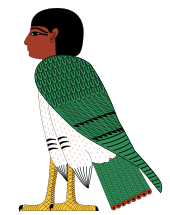
In ancient Egyptian mythology, the goddess Ba plays a significant role as a representation of the human soul and personality. She is often depicted as a bird, particularly a hawk or a winged woman, symbolizing the ability of the soul to travel between the realms of the living and the dead. The concept of Ba is deeply intertwined with the Egyptian beliefs surrounding the afterlife and the journey that the soul must undertake after death. This article explores the various aspects of Ba, her significance, and her connections to other deities and concepts within the rich tapestry of Egyptian mythology.
Understanding the Concept of Ba
The term Ba refers to one of the components of the soul in ancient Egyptian belief. The Egyptians believed that the soul was made up of several parts, including the Ka, Ba, and Akh. Each of these components had its own function and significance. While the Ka represented the life force and the physical aspects of a person, the Ba was more associated with personality, individuality, and the unique traits that defined a person during their lifetime.
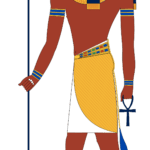 Atum-ra
In many depictions, Ba is shown as a bird with a human head, which emphasizes its ability to transcend the physical world. The bird symbolism indicates freedom and the capacity to move between different planes of existence. This movement is essential for the Ba, as it must navigate between the earthly realm and the afterlife, where it seeks to reunite with the body and the Ka.
The Journey of the Ba
After a person dies, the Ba embarks on a journey that is crucial for achieving eternal life. This journey involves several challenges and tests, which the soul must overcome to reach the Field of Reeds, a paradise where the soul can enjoy eternal peace and happiness. The Ba is believed to leave the tomb each night and travel into the sky, where it interacts with other deities and spirits. This nightly journey is vital, as it reaffirms the connection between the living and the dead.
- The Ba’s journey begins immediately after death.
- It must navigate through various obstacles and trials.
- Ultimately, it seeks to reunite with the body and the Ka.
The concept of the Ba is also tied to the idea of judgment. After death, the soul must face the Weighing of the Heart, a significant event in which the heart of the deceased is weighed against the feather of Maat, the goddess of truth and justice. If the heart is lighter than the feather, the Ba is deemed worthy and can proceed to the afterlife. If not, it faces dire consequences, often depicted as being devoured by the Devourer, a fearsome creature that represents annihilation.
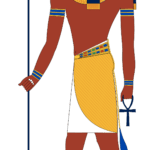 Atum
AtumBa in Egyptian Art and Literature
In Egyptian art, the representation of Ba is significant and can be seen in various tomb paintings and carvings. Artists often depicted the Ba in the form of a bird, sometimes perched on the head of the deceased or flying above them. This imagery serves to illustrate the belief that the Ba continues to exist and has the ability to return to the living world. Such representations are meant to comfort the living, reminding them of the ongoing connection with their deceased loved ones.
Literature from ancient Egypt also reflects the importance of Ba. Many funerary texts, such as the Book of the Dead, contain spells and prayers aimed at ensuring the safe passage of the Ba into the afterlife. These texts provide guidance for the deceased, outlining the necessary steps to take and the rituals to perform to secure a favorable judgment. The emphasis on the Ba in these texts underscores the belief in its vital role in achieving immortality.
Symbols Associated with Ba
Various symbols are associated with Ba, reflecting its significance in Egyptian culture. One of the most notable symbols is the ankh, which represents life and immortality. The ankh is often depicted alongside images of Ba, emphasizing the connection between the soul and the continuation of life after death. Another important symbol is the feather of Maat, which signifies truth and justice. This feather plays a crucial role in the Weighing of the Heart ceremony, highlighting the importance of righteousness for the Ba’s journey.
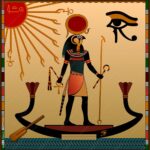 Aten-ra
- Bird imagery: Represents the freedom and transcendence of the Ba.
- Ankh: Symbolizes life and immortality.
- Feather of Maat: Represents truth and the judgment process.
Additionally, the sun disk is often associated with Ba, symbolizing the connection between the soul and the divine. The sun was central to Egyptian cosmology, representing rebirth and the cyclical nature of life. As the sun rises each day, it is a reminder of the ongoing journey of the soul and its potential for renewal and rebirth in the afterlife.
Ba and Its Relationship with Other Deities
In the complex pantheon of Egyptian gods and goddesses, Ba interacts with various deities, each representing different aspects of life and death. One of the most notable relationships is with Osiris, the god of the afterlife and resurrection. Osiris is often depicted as a judge of the dead, overseeing the fate of the Ba after its journey. The connection between Ba and Osiris highlights the importance of the afterlife in Egyptian beliefs, as Osiris represents the hope for eternal life.
Another significant deity related to Ba is Isis, the wife of Osiris and a goddess of magic and motherhood. Isis is often invoked in funerary rituals to protect and guide the Ba during its journey. She embodies the nurturing aspect of the soul’s journey, offering comfort and support to the deceased. The bond between Ba and Isis reflects the belief that the soul is not alone in its journey and that divine assistance is available.
The Role of Ba in Egyptian Rituals
Rituals surrounding death and the afterlife often emphasize the significance of Ba. Families would perform various ceremonies to honor the deceased, ensuring that their Ba was at peace and able to navigate the challenges of the afterlife. Offerings of food, drink, and other goods were made to provide sustenance for the Ba, reflecting the belief that the soul continues to need nourishment even after death.
- Funerary rites: Essential for guiding the Ba on its journey.
- Offerings: Provided to support the Ba in the afterlife.
- Memorial practices: Helped maintain a connection with the deceased.
Additionally, the practice of mummification was crucial for the Ba’s journey. By preserving the body, the Egyptians believed they were providing a home for the Ba, allowing it to return to the physical form during its nightly travels. This belief underscores the importance of the physical body in relation to the Ba and the afterlife, highlighting the interconnectedness of the living and the dead in Egyptian thought.
Modern Interpretations of Ba
In contemporary times, the concept of Ba continues to intrigue scholars, historians, and enthusiasts of ancient Egyptian culture. Modern interpretations often explore the symbolic meanings of Ba and its relevance to human identity and spirituality. The idea that each person has a unique essence that transcends the physical body resonates with many people today, reflecting a broader understanding of the soul in various spiritual traditions.
Moreover, the imagery associated with Ba, such as the winged figure and the bird, has found its way into modern art and literature. Artists and writers often draw inspiration from Egyptian mythology, using the symbols of Ba to explore themes of freedom, identity, and the journey of the soul. This ongoing fascination with Ba illustrates the enduring legacy of ancient Egyptian beliefs and their capacity to inspire contemporary thought.
Ba in Popular Culture
Popular culture has also embraced the figure of Ba, often incorporating elements of Egyptian mythology into movies, books, and games. The depiction of ancient Egyptian gods and goddesses, including Ba, has become a common trope in fantasy and adventure genres. These representations, while often stylized, serve to introduce audiences to the rich mythology of ancient Egypt and spark interest in its history and beliefs.
- Movies: Frequently feature Egyptian gods and their stories.
- Books: Explore themes of mythology and the afterlife.
- Video games: Often incorporate Egyptian mythology into gameplay.
Through these various mediums, the essence of Ba continues to resonate, inviting new generations to explore the complexities of ancient Egyptian spirituality and the profound questions surrounding life, death, and the soul’s journey. This enduring legacy reflects the timeless nature of human curiosity about existence and the afterlife.
The goddess Ba remains a vital part of ancient Egyptian mythology, representing the soul’s journey and the individual essence that defines each person. Her significance in funerary practices, art, and literature underscores the belief in an afterlife and the interconnectedness of the living and the dead. As modern interpretations of Ba continue to evolve, her legacy endures, inspiring individuals to explore the depths of their own identities and the mysteries of existence.