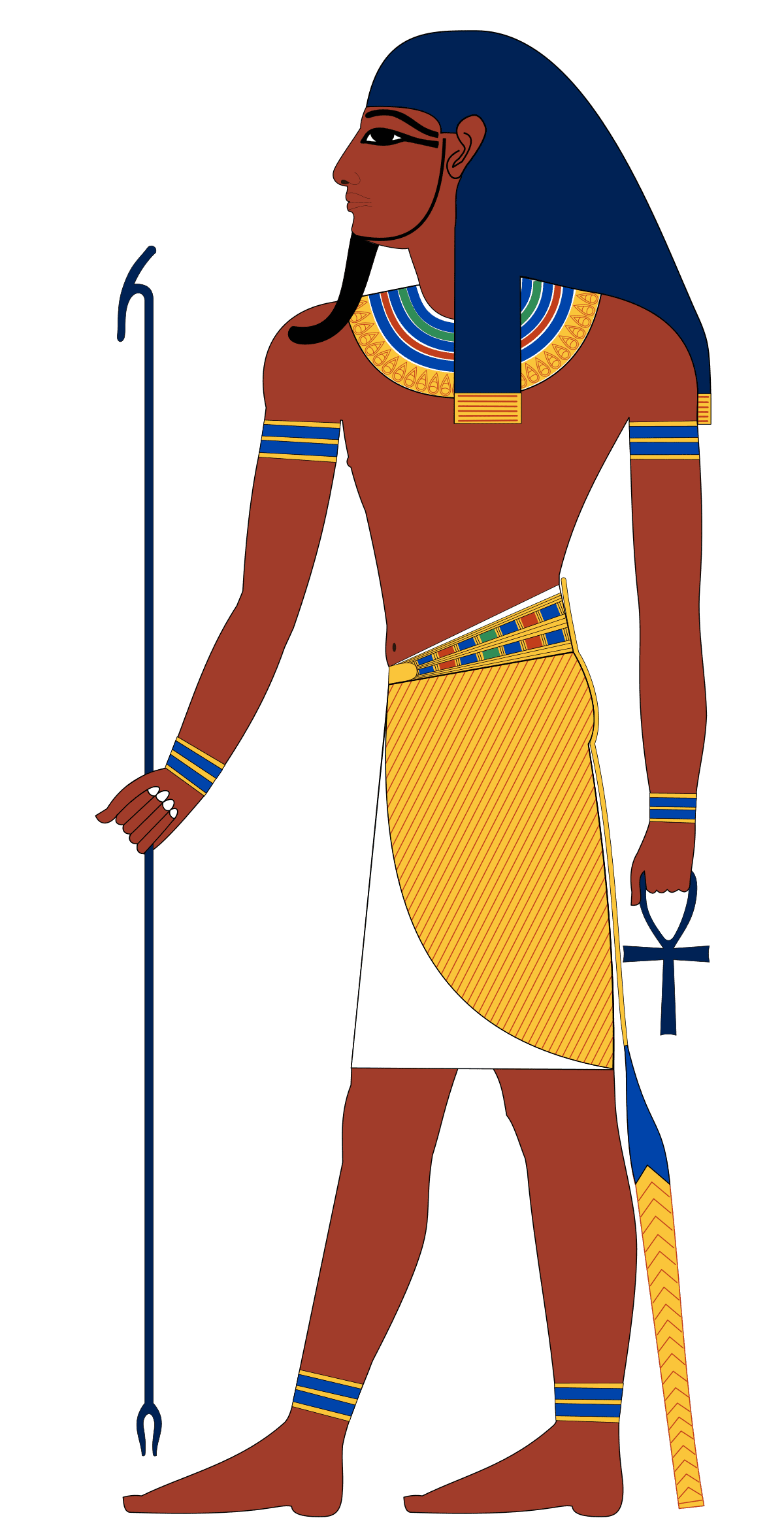
Atum is a significant deity in Egyptian mythology, revered as one of the earliest gods in the ancient Egyptian pantheon. He is often associated with the creation of the world and is considered the first god to emerge from the chaotic waters of Nun, the primordial abyss. Atum’s role as a creator god is central to many myths and stories in ancient Egypt, and his influence can be seen in various religious practices and beliefs. His importance is not only reflected in the texts but also in the numerous temples and monuments dedicated to him throughout ancient Egypt.
Origins of Atum
The origins of Atum can be traced back to the ancient Egyptian creation myths, particularly the Heliopolitan cosmogony. According to this myth, Atum was self-created from the waters of Nun, symbolizing the beginning of time and existence. He emerged as a solitary figure, representing the unity of all things. This idea of self-creation is significant, as it sets Atum apart from many other deities who were born from other gods or goddesses. His emergence from the chaotic waters signifies the transition from chaos to order, a theme that resonates throughout Egyptian mythology.
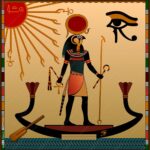 Aten-ra
Atum’s name itself has a deep meaning. It is often interpreted as “the complete one,” reflecting his all-encompassing nature. He embodies both the masculine and feminine principles, often represented as the creator and the mother of all gods. In some texts, Atum is described as having created himself by contemplating his own existence. This act of thought and intention is a powerful symbol of the creative process and is foundational to the understanding of creation in Egyptian belief.
Atum’s Role in Creation
Atum’s role as a creator is vital in the mythology of ancient Egypt. After emerging from Nun, he began the process of creation by bringing forth other gods. The first beings he created were Shu, the god of air, and Tefnut, the goddess of moisture. This act of creation is often depicted in temple reliefs and inscriptions, illustrating Atum’s position as the progenitor of the divine hierarchy. Shu and Tefnut are essential in establishing the balance of the universe, as they separate the sky from the earth, allowing life to flourish.
As the myth progresses, Atum continues to play a crucial role in the creation of the world. He is said to have produced the first humans, which further emphasizes his importance as a creator deity. In some versions of the myth, Atum creates humanity from his own tears or sweat, symbolizing the deep connection between the gods and humanity. This act highlights the belief that humans are a reflection of the divine, imbued with the essence of their creator.
 Aten
AtenSymbolism of Atum
Atum is often depicted in ancient Egyptian art and iconography in various forms. He is commonly shown as a man wearing the double crown of Upper and Lower Egypt, symbolizing his dominion over the entire land. His representation can also include elements that signify creation, such as the ankh, which represents life, and the was scepter, symbolizing power and authority. These symbols are integral to understanding Atum’s significance in the Egyptian belief system.
Another important aspect of Atum’s symbolism is his association with the setting sun. He is often linked to the cycle of day and night, representing the eternal cycle of life, death, and rebirth. This connection to the sun reinforces his role as a creator, as the sun is a source of life and energy in the natural world. The daily journey of the sun across the sky can be seen as a reflection of Atum’s continuous influence on the cosmos.
Atum and Other Deities
Atum’s relationship with other deities is a fascinating aspect of Egyptian mythology. As a creator god, he is often viewed as the father of many gods, including the well-known deities Osiris, Isis, Set, and Nephthys. This familial connection establishes Atum as a central figure within the divine hierarchy. His offspring play crucial roles in various myths, particularly those surrounding the afterlife and resurrection, which further emphasizes Atum’s importance in the broader context of Egyptian beliefs.
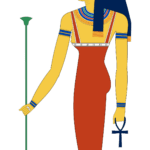 Isis
IsisIn addition to his offspring, Atum is sometimes depicted as merging with other gods. For example, he is often associated with the sun god Ra, and together they form the composite deity known as Atum-Ra. This combination signifies the unity of creation and the sun’s life-giving power. Atum-Ra is a powerful symbol of divine authority and is often invoked in prayers and rituals aimed at ensuring prosperity and protection.
Worship and Temples Dedicated to Atum
The worship of Atum was an essential aspect of ancient Egyptian religion. He was primarily venerated in the city of Heliopolis, which was a significant religious center. The temple of Atum in Heliopolis was one of the most important temples in ancient Egypt, where rituals and ceremonies were held in his honor. The priests of Atum played a vital role in maintaining the temple and performing rituals that were believed to ensure the favor of the god.
In addition to Heliopolis, Atum was also worshipped in other regions of Egypt. His influence extended to various cities, where local deities were sometimes merged with Atum’s identity. This syncretism allowed for a broader understanding of his role in the Egyptian pantheon. Temples dedicated to Atum often featured elaborate carvings and inscriptions that depicted his creation myths and emphasized his significance as a creator god.
Mythological Stories Involving Atum
Many mythological stories involve Atum, showcasing his importance in the ancient Egyptian belief system. One of the most notable stories is the myth of the Ennead, which describes the lineage of gods that descended from Atum. According to this myth, after creating Shu and Tefnut, Atum sent them to find his lost eye, which had been separated from him during the act of creation. This narrative illustrates the themes of separation and reunion, which are central to many Egyptian myths.
Another significant story involves Atum’s role in the resurrection of Osiris. After Osiris was killed by his brother Set, it was believed that Atum played a part in his resurrection, symbolizing the eternal cycle of life and death. This connection to Osiris further solidifies Atum’s role as a creator and sustainer of life. The resurrection of Osiris is a crucial event in Egyptian mythology, as it represents hope for the afterlife and the continuity of existence.
Atum in Modern Context
Today, Atum remains a subject of interest in the study of ancient Egyptian mythology. Scholars and enthusiasts alike continue to explore his significance within the pantheon of gods. The understanding of Atum’s role in creation and his relationships with other deities provides valuable insights into the beliefs and practices of ancient Egyptians. His influence can also be seen in various forms of art, literature, and popular culture, reflecting the enduring legacy of Egyptian mythology.
Additionally, the study of Atum contributes to the broader understanding of ancient religions and their impact on modern spiritual practices. Many themes associated with Atum, such as creation, unity, and the cyclical nature of existence, resonate with contemporary philosophical and spiritual beliefs. This connection between ancient and modern thought underscores the timeless relevance of Atum and his role in shaping human understanding of the divine.