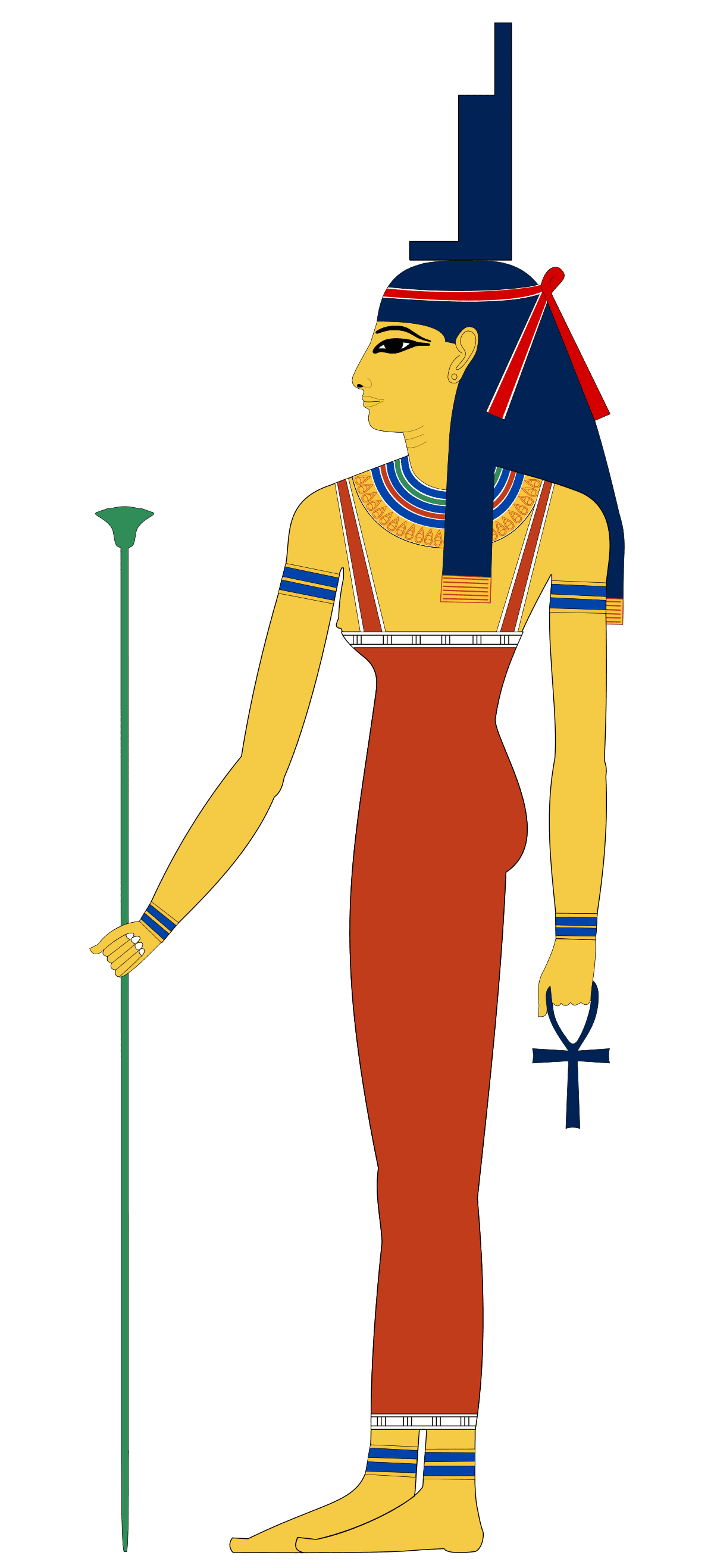
In Egyptian mythology, Isis is one of the most significant and revered deities. She is often depicted as a woman with a throne-shaped crown, which symbolizes her role as a queen and a powerful figure in the pantheon of gods. Isis is known for her magical abilities and her deep connection to the themes of motherhood, fertility, and healing. She is a central figure in many myths and stories, particularly in relation to her husband Osiris and their son Horus. The worship of Isis extended beyond Egypt, influencing various cultures and religions throughout history.
Origins of Isis
The origins of Isis can be traced back to the early dynastic period of ancient Egypt. She was initially a local goddess worshipped in the Nile Delta region, but her significance grew over time. As Egyptian society developed, Isis became associated with the more significant themes of life, death, and rebirth. Her mythology intertwined with that of other gods, particularly Osiris, her husband, and Set, her brother-in-law. This complex family dynamic created rich narratives that formed the backbone of Egyptian religious beliefs.
 Arensnuphis
Isis is often referred to as the Mother Goddess, embodying the qualities of nurturing and protection. She is depicted in various ancient texts and artifacts, showcasing her importance in Egyptian culture. Her role as a mother was particularly emphasized through her relationship with Horus, who represented the hope of new beginnings and the continuation of the divine lineage. This maternal aspect contributed to her widespread veneration among the ancient Egyptians.
Mythology and Stories
One of the most famous myths involving Isis is the story of Osiris. According to the myth, Osiris was the god of the afterlife and the ruler of the underworld. His brother Set, who was associated with chaos and destruction, was envious of Osiris’s power. Set plotted against Osiris, ultimately killing him and dismembering his body. Isis, devastated by the loss of her husband, embarked on a quest to find and reassemble his remains. This act of love and devotion highlights her strength and determination.
After gathering the pieces of Osiris, Isis used her magical powers to resurrect him, allowing him to become the god of the underworld. This story not only emphasizes the themes of death and resurrection but also showcases Isis’s role as a powerful sorceress. Her ability to bring Osiris back to life made her a symbol of hope and renewal for the ancient Egyptians. The resurrection of Osiris also set the stage for the birth of their son, Horus, who would eventually avenge his father’s death.
 Apis
ApisIsis as a Goddess of Magic
Isis is often referred to as the goddess of magic and healing. Her knowledge of spells and incantations made her a figure of great reverence among the ancient Egyptians. She was believed to possess the ability to heal the sick and protect individuals from harm. Many ancient texts, including the Pyramid Texts and the Coffin Texts, contain references to her magical abilities and the rituals associated with her worship.
As a goddess of magic, Isis played a vital role in various aspects of daily life. People sought her assistance in matters related to fertility, childbirth, and protection. Women often prayed to her for safe deliveries and healthy children, believing that her divine intervention would ensure their well-being. This connection to motherhood and family made Isis a beloved figure among the ancient Egyptian populace.
 Ipet
IpetThe Cult of Isis
The worship of Isis became widespread, extending beyond the borders of Egypt. Temples dedicated to her were established in various regions, and her followers created rituals and festivals to honor her. One of the most significant festivals was the Isia, which celebrated her role in the resurrection of Osiris. During this festival, rituals were performed to reenact the mythological events, reinforcing the themes of life and death.
Isis was not only worshipped in Egypt but also gained followers in other cultures, including the Greco-Roman world. Her image and stories were adapted and integrated into various religious practices, showcasing her enduring influence. The cult of Isis spread throughout the Mediterranean, with temples built in places like Pompeii and Rome. This widespread veneration highlights the universal appeal of her mythology and the themes of love, loss, and rebirth.
Symbolism of Isis
Isis is rich in symbolism, representing various aspects of life and the universe. One of her most prominent symbols is the ankh, which signifies eternal life. This symbol is often associated with her role in the resurrection of Osiris and the promise of life after death. The ankh became a common motif in Egyptian art and is still recognized today as a symbol of life and immortality.
Another important symbol associated with Isis is the throne, which she often wears as a crown. This symbol represents her status as a queen and her connection to the pharaohs, who were considered the living embodiment of Horus. The throne also signifies her role as a protector and nurturer, emphasizing her importance in the lives of the ancient Egyptians.
Isis in Art and Literature
The depiction of Isis in art and literature is abundant in ancient Egyptian culture. She is often portrayed in reliefs, sculptures, and paintings, showcasing her beauty and grace. Artists depicted her with various attributes, such as the ankh and the throne, emphasizing her divine nature. Many artifacts, including amulets and statuettes, were created in her likeness, serving as protective talismans for the living.
In literature, Isis appears in numerous texts, including the Pyramid Texts, Coffin Texts, and the famous myth of Osiris. These stories not only highlight her magical abilities but also her role as a devoted wife and mother. The narratives surrounding Isis have been passed down through generations, influencing subsequent cultures and their understanding of divinity.
Modern Interpretations of Isis
The figure of Isis continues to resonate in modern times, transcending her ancient origins. Many contemporary spiritual movements and practices draw inspiration from her mythology. Isis is often invoked in rituals related to feminine empowerment, healing, and protection. Her legacy as a powerful mother figure has made her a symbol of strength for many women today.
In popular culture, Isis has been referenced in various forms of media, including literature, film, and art. Her stories are often reinterpreted to reflect modern themes of resilience and empowerment. The enduring nature of her mythology speaks to the universal human experiences of love, loss, and the quest for understanding in the face of adversity.
Isis remains a timeless figure in Egyptian mythology, embodying the complexities of life, death, and rebirth. Her stories continue to inspire and resonate with people across cultures and eras. Through her enduring legacy, Isis teaches us about the power of love, the importance of family, and the resilience of the human spirit.