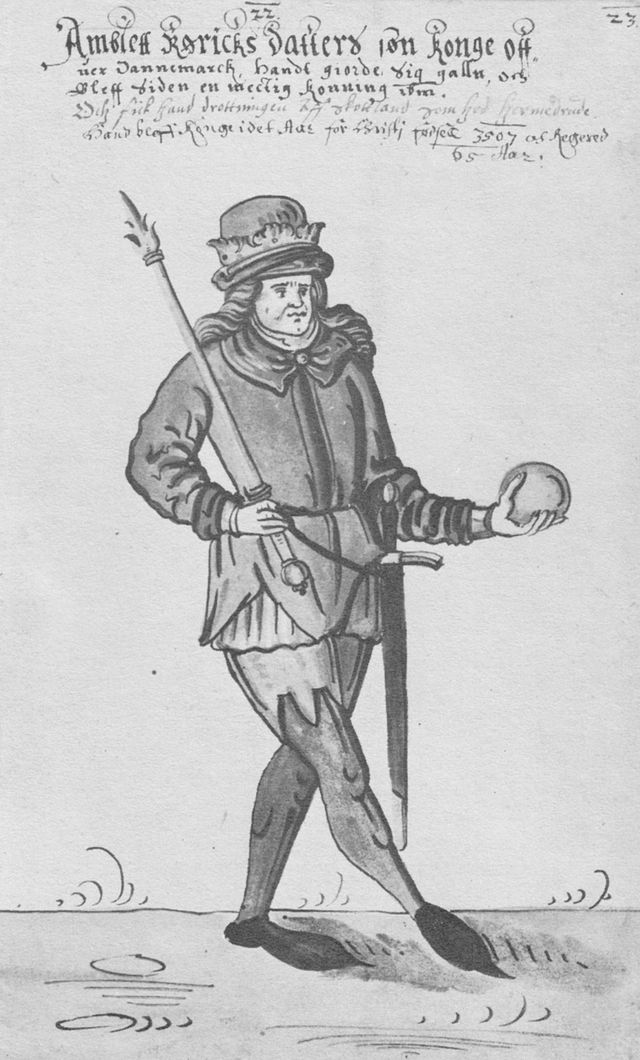
Amleth is a character from Norse mythology and is best known as the inspiration for Shakespeare’s famous play, Hamlet. The story of Amleth is one of revenge, intrigue, and the complexities of human emotions. In the ancient texts, Amleth’s tale is woven into the fabric of Scandinavian folklore, illustrating themes of betrayal, honor, and the struggle for power. This article delves deep into the life and times of Amleth, exploring the various elements that make his story resonate even today.
The Origins of Amleth
The tale of Amleth is primarily found in the Gesta Danorum, a historical work by the Danish scholar Saxo Grammaticus. Written in the 12th century, this text serves as a crucial source for understanding the origins of many Scandinavian legends. Amleth is described as the son of King Horwendil of Denmark, who is murdered by his treacherous brother, Feng. This act of fratricide sets the stage for Amleth’s journey of vengeance and justice.
 Alfheim
Amleth’s name itself has interesting connotations. It is believed to derive from the Old Norse word for “fool” or “simpleton.” However, this title is ironic, as Amleth is anything but foolish. He uses his perceived simplicity to outsmart his enemies and navigate the dangerous waters of court politics. This duality in his character is a key element of his story, as it highlights the themes of deception and intelligence.
The Plot of Amleth’s Story
The plot of Amleth’s story is rich with twists and turns, making it a compelling narrative. After the murder of his father, Amleth feigns madness to protect himself from Feng’s wrath. This act of pretending to be a fool allows him to gather information and plot his revenge without raising suspicion. His cunning and strategic thinking play a significant role in the unfolding of events.
Throughout the story, Amleth’s madness is not merely an act; it serves as a shield against the dangerous world around him. He engages in bizarre behaviors and speaks in riddles, which both confound and entertain those around him. This facade becomes a crucial tool in his quest for vengeance, allowing him to manipulate others while remaining undetected.
 Aesir
AesirThe Role of Women in Amleth’s Tale
Women play a vital role in the story of Amleth, often serving as catalysts for action and emotion. One of the most significant female figures in the narrative is Gerutha, Amleth’s love interest and later, his wife. Gerutha’s character embodies the complexities of love, loyalty, and betrayal, as she navigates her own struggles within the patriarchal society of the time.
Another important female figure is the sorceress who aids Amleth in his quest for revenge. Her magical abilities and wisdom provide him with guidance and insight, further emphasizing the theme of female strength in the narrative. These women, while often overshadowed by the male characters, contribute significantly to the development of the plot and the protagonist’s journey.
The Themes of Revenge and Justice
The theme of revenge is central to Amleth’s story. After the murder of his father, Amleth’s life becomes consumed by the desire to avenge this wrongful act. The narrative explores the psychological effects of revenge on the individual, illustrating how it can drive a person to madness and obsession. Amleth’s quest for justice leads him down a dark path, filled with moral dilemmas and the potential for further violence.
 Aegir
AegirJustice, in the context of Amleth’s story, is portrayed as a complex and often elusive concept. While Amleth seeks to right the wrongs committed against him and his family, the methods he employs raise questions about the nature of justice itself. The story invites readers to ponder whether true justice can ever be achieved through acts of vengeance or if it merely perpetuates a cycle of violence.
Amleth’s Legacy in Literature
The legacy of Amleth extends far beyond Norse mythology and has had a profound impact on literature and culture. One of the most notable adaptations of his story is William Shakespeare’s Hamlet, which draws heavily from the narrative of Amleth. Shakespeare’s portrayal of Hamlet as a tragic hero mirrors the struggles and complexities faced by Amleth, showcasing the timelessness of these themes.
Additionally, the tale of Amleth has inspired countless adaptations in various forms of media, including films, plays, and novels. The core elements of betrayal, revenge, and the quest for identity resonate across cultures and time periods, making Amleth a universal figure in storytelling. His legacy serves as a reminder of the power of narrative to explore the depths of human emotion and experience.
The Psychological Depth of Amleth
Amleth’s character is often analyzed through a psychological lens, revealing the complexities of his mind and motivations. His decision to feign madness can be seen as a coping mechanism, a way to deal with the trauma of his father’s murder and the chaos surrounding him. This psychological depth adds layers to his character, making him more relatable and human.
The internal conflict that Amleth experiences is a reflection of the broader human condition. His struggle between duty, revenge, and the desire for peace resonates with anyone who has faced moral dilemmas in their own lives. The psychological realism of Amleth’s character allows readers to engage with his story on a deeper level, prompting reflections on their own choices and motivations.
The Cultural Significance of Amleth
Amleth’s story holds significant cultural importance, particularly in the context of Scandinavian history and mythology. It serves as a representation of the values and beliefs of the Norse people, including the concepts of honor, loyalty, and the consequences of betrayal. The tale reflects the societal norms of the time, where revenge was often seen as a necessary course of action to restore honor.
Moreover, the story of Amleth has contributed to the understanding of Norse mythology as a whole. It highlights the interconnectedness of various myths and legends, showcasing how stories can evolve and adapt over time. This cultural significance extends beyond Scandinavia, influencing global literature and art, as the themes explored in Amleth’s tale resonate with audiences worldwide.
Amleth in Modern Media
In recent years, the story of Amleth has seen a resurgence in popular culture, with adaptations in film and television that bring the ancient tale to contemporary audiences. One notable adaptation is the 2022 film “The Northman,” directed by Robert Eggers, which reimagines Amleth’s story in a visually stunning and visceral manner. This modern interpretation highlights the enduring relevance of the themes of revenge and identity.
Additionally, Amleth’s story has inspired various video games and graphic novels, showcasing the versatility of his character and narrative. These modern adaptations allow new generations to engage with the story, ensuring that Amleth’s legacy continues to thrive in the cultural consciousness. The ongoing interest in his tale speaks to the timeless nature of the human experience, as the struggles faced by Amleth remain relatable today.
The Symbolism in Amleth’s Story
Amleth’s story is rich with symbolism that enhances the narrative and deepens its themes. One of the most prominent symbols is the throne, representing power and authority. The struggle for the throne becomes a central conflict in the story, illustrating the lengths to which individuals will go to secure their place in the world. Amleth’s journey to reclaim his rightful position is fraught with challenges and moral dilemmas.
Another significant symbol is the mask of madness that Amleth wears. This mask serves as a metaphor for the facades that people often put on to navigate societal expectations and personal struggles. Amleth’s ability to hide his true intentions behind this mask speaks to the theme of deception, highlighting how appearances can be misleading.
The Moral Lessons of Amleth’s Tale
The story of Amleth imparts several moral lessons that continue to resonate with audiences. One of the key lessons is the importance of honor and the consequences of betrayal. Amleth’s journey emphasizes that dishonorable actions, such as murder and treachery, can lead to a cycle of violence that ultimately harms everyone involved. This cautionary tale serves as a reminder of the value of integrity and loyalty in relationships.
Additionally, Amleth’s story teaches the dangers of obsession and the toll it can take on an individual’s psyche. His relentless pursuit of revenge ultimately leads to tragic outcomes, highlighting the potential consequences of allowing anger and vengeance to consume one’s life. This moral lesson encourages reflection on the importance of forgiveness and the need to find healthier ways to cope with pain and loss.
The Influence of Norse Mythology on Amleth’s Story
Amleth’s tale is deeply rooted in Norse mythology, drawing on various mythological elements and themes. The concept of fate, known as wyrd, plays a significant role in the narrative, as Amleth grapples with the idea of destiny versus free will. The influence of the Norns, the female figures who control fate, is evident in the way Amleth’s life unfolds, suggesting that his path may be preordained.
Furthermore, the themes of heroism and sacrifice found in Norse mythology are reflected in Amleth’s character. His willingness to confront danger and seek justice mirrors the actions of legendary heroes in ancient tales. This connection to Norse mythology adds depth to Amleth’s story, situating it within a broader cultural context that enriches its meaning and significance.
The Reception of Amleth’s Story Throughout History
Throughout history, Amleth’s story has been received with varying interpretations and adaptations. In medieval Scandinavia, the tale was likely seen as a cautionary narrative that reinforced societal values regarding honor and loyalty. As the story was passed down through generations, it evolved and adapted to reflect the changing cultural landscape.
In the Renaissance period, the story gained renewed interest, particularly with Shakespeare’s adaptation in “Hamlet.” This reinterpretation brought Amleth’s tale to a broader audience, allowing it to influence literature and theater for centuries to come. The enduring popularity of Hamlet demonstrates the timelessness of Amleth’s themes, as they continue to resonate with audiences across different eras.
Amleth’s story is a complex tapestry of themes, characters, and cultural significance. From its origins in Norse mythology to its lasting impact on literature and modern media, the tale of Amleth remains a powerful exploration of revenge, justice, and the human experience. Through his journey, Amleth serves as a reflection of the struggles we all face, reminding us of the importance of honor, the dangers of obsession, and the complexities of our emotions.