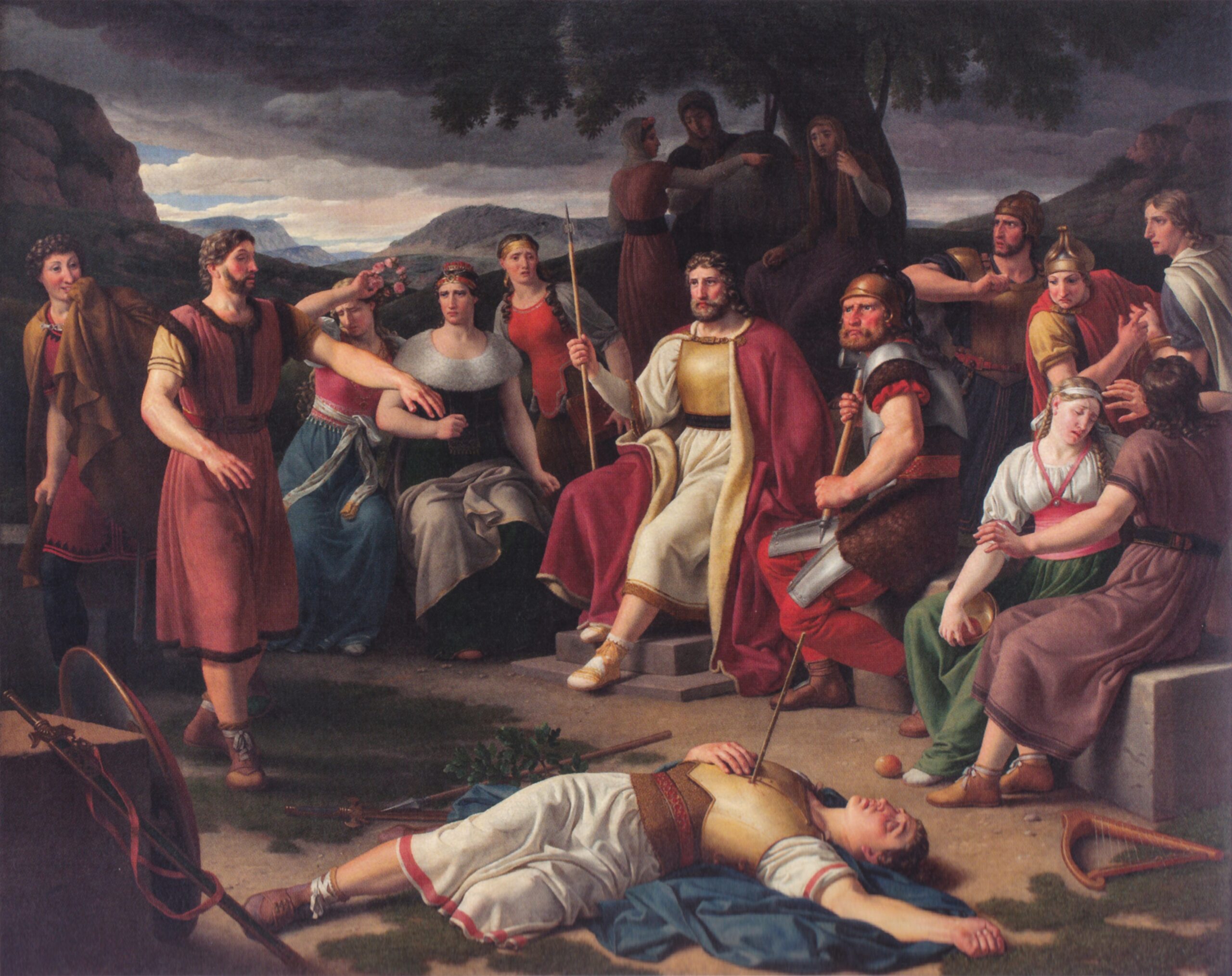
The Aesir are one of the two main families of deities in Norse mythology, the other being the Vanir. The Aesir are often associated with war, governance, and power. They are primarily known for their role in the creation of the world and their ongoing conflicts with the giants, known as Jotnar. The Aesir reside in Asgard, one of the nine worlds in Norse cosmology. This realm is often depicted as a majestic place, home to great halls and fortresses. The mythology surrounding the Aesir provides insight into the values, beliefs, and culture of the Norse people.
The Major Aesir Deities
Among the Aesir, there are several prominent gods and goddesses who play crucial roles in Norse mythology. Each of these deities has unique attributes, stories, and symbols that define their significance. Some of the most well-known Aesir include Odin, Thor, Freyja, and Baldr. Understanding these figures is essential to grasp the complexities of Norse mythology.
 Aegir
AegirOdin: The All-Father
Odin is often referred to as the All-Father, a title that signifies his role as the chief of the Aesir. He is associated with wisdom, knowledge, and poetry. One of the most notable aspects of Odin is his relentless pursuit of knowledge. He sacrificed one of his eyes in exchange for a drink from the well of wisdom, located beneath the roots of Yggdrasil, the world tree. Odin is also known for his ability to shape-shift and his mastery of runes, the ancient Norse writing system.
Odin’s companions include Valkyries, warrior maidens who choose those who will die in battle and those who will live. He is often depicted riding his eight-legged horse, sleipnir, and accompanied by his two ravens, Huginn and Muninn, who gather information from across the realms. His association with war and death is profound, as he is believed to guide the souls of fallen warriors to Valhalla, a grand hall where they prepare for the events of Ragnarök, the end of the world.
Thor: The God of Thunder
Another prominent figure among the Aesir is Thor, the god of thunder, lightning, and storms. He is known for his immense strength and is often depicted wielding his mighty hammer, Mjölnir. This weapon is not only a tool for battle but also a symbol of protection and blessing. Thor is considered a protector of humanity and the gods, often battling the giants to maintain order in the cosmos.
 Asgard
Thor’s character is marked by his bravery and straightforwardness. He is often portrayed as a fierce warrior who engages in epic battles against various foes. Despite his strength, he is also depicted as a family man, with a strong bond to his wife, Sif, and his children, Magni and Modi. His adventures, often filled with humor and mischief, are celebrated in many tales, illustrating the duality of his nature as both a fierce protector and a relatable figure.
Freyja: The Goddess of Love and War
Freyja is one of the most important goddesses in Norse mythology, known for her associations with love, beauty, and fertility. She is also a goddess of war and death, sharing the duty of choosing the slain in battle with Odin. Freyja rides a chariot pulled by two cats, which further emphasizes her connection to both the domestic and the fierce aspects of life.
Freyja is often depicted as a figure of great beauty and power, embodying the complexities of love and desire. She is associated with the Brísingamen, a magical necklace that symbolizes her status and allure. Freyja’s role in the mythology extends beyond just love; she is also a seeker of knowledge, willing to go to great lengths to obtain it, including engaging with the giants and other powerful beings.
 Yggdrasil
Baldr: The God of Light
Baldr is known as the god of light, purity, and beauty. He is the son of Odin and Frigg, and his death is one of the most significant events in Norse mythology. Baldr is beloved by all, and his presence brings joy and harmony. However, his life is marked by a prophecy of doom, leading to his tragic demise at the hands of his blind brother, Hodr, who is manipulated by the trickster god, Loki.
The story of Baldr’s death is filled with themes of fate and sacrifice. After his death, the gods attempt to bring him back from the realm of the dead, showcasing their deep love for him. His story serves as a poignant reminder of the fragility of life and the inevitability of death, which are central themes in Norse mythology.
The Aesir and the Vanir
The Aesir are often contrasted with the Vanir, another group of deities in Norse mythology. The Vanir are associated with fertility, prosperity, and nature. This distinction highlights the diverse aspects of Norse spirituality. The conflict between the Aesir and the Vanir culminated in a war, which ultimately led to a truce and the exchange of hostages, signifying a blending of their cultures and attributes.
After the war, the two groups of gods began to coexist, with some Vanir, such as Njord and his children, Frey and Freyja, becoming integrated into the Aesir. This integration represents the Norse belief in the importance of balance between different forces in the universe, whether they be related to war and peace, fertility and destruction, or life and death.
The War Between the Aesir and the Vanir
The conflict between the Aesir and the Vanir is a central narrative that illustrates the complexities of relationships among the gods. The war began due to a series of misunderstandings and disputes over power and resources. The Aesir, being more warlike, sought to dominate, while the Vanir valued harmony and fertility. This conflict showcases the different values and priorities that each group of deities represented.
As the war progressed, both sides experienced losses, and it became clear that neither could achieve a decisive victory. Eventually, the Aesir and Vanir recognized the futility of their conflict and agreed to a peace treaty. This treaty involved the exchange of hostages, which allowed for a greater understanding and cooperation between the two groups. This integration of gods from both families reflects the Norse belief in unity and coexistence, even among those who are seemingly different.
The Significance of the Aesir and Vanir Relationship
The relationship between the Aesir and Vanir is not just a tale of conflict; it is also a representation of the interconnectedness of various aspects of life. The Aesir embody the principles of war and governance, while the Vanir represent fertility, nature, and prosperity. Together, they provide a more comprehensive understanding of the Norse worldview, emphasizing the importance of balance and cooperation.
This blending of the two families of gods allowed for a richer tapestry of mythology, where the strengths and weaknesses of each group complemented one another. The Aesir and Vanir’s relationship serves as a reminder that even in conflict, there can be opportunities for growth, understanding, and unity.
The Role of the Aesir in Creation Myths
The Aesir play a crucial role in Norse creation myths, which describe how the world and its inhabitants came into being. According to these myths, in the beginning, there was a vast void known as Ginnungagap, surrounded by realms of ice and fire. From this void, the first beings emerged, including the giant Ymir, whose body would later be used to create the world.
The Aesir, particularly Odin and his brothers, are credited with slaying Ymir and using his remains to fashion the earth. His flesh became the land, his blood the seas, his bones the mountains, and his skull the sky. This act of creation highlights the Aesir’s role as powerful beings who shape the cosmos and maintain order within it. The myths emphasize the idea that creation often comes from destruction, a theme prevalent in many cultures.
The Importance of Yggdrasil
At the center of the Norse cosmos lies Yggdrasil, the world tree, which connects all nine realms. The Aesir, along with other beings, interact with Yggdrasil, emphasizing its significance in the structure of the universe. The tree is often depicted as a massive ash tree, with its roots extending into different realms, including Asgard, Midgard, and Hel. The Aesir frequently gather at Yggdrasil, making it a central point for their activities and decisions.
The tree symbolizes the interconnectedness of all life and the cyclical nature of existence. It serves as a reminder that the actions of the Aesir have far-reaching consequences, affecting not only their realm but also the lives of humans and other beings. The mythology surrounding Yggdrasil reinforces the idea that everything in the universe is interconnected and that the Aesir play a vital role in maintaining that balance.
Creation of Humanity
The creation of humanity is another significant aspect of the Aesir’s role in Norse mythology. According to the myths, Odin and his brothers, Vili and Ve, discovered two logs on the shore of the sea. They decided to create the first humans from these logs. Odin breathed life into them, giving them the spirit and consciousness, while Vili provided them with emotions and intelligence, and Ve granted them physical form and the senses.
This act of creation highlights the Aesir’s importance not only in the cosmos but also in the lives of humans. The myths suggest that humanity is intricately linked to the gods, with the Aesir having a direct hand in their creation and development. This connection is a recurring theme in Norse mythology, where the actions of the gods significantly impact the mortal world.
The Aesir and the End Times: Ragnarök
Ragnarök, often referred to as the end of the world, is a significant event in Norse mythology that involves a great battle between the Aesir and their enemies, including the giants and the monstrous wolf, Fenrir. This cataclysmic event is prophesied to result in the death of many gods, including Odin, Thor, and Baldr. The events of Ragnarök illustrate the cyclical nature of existence, where destruction leads to rebirth.
Before Ragnarök, a series of signs are said to occur, including the Fimbulwinter, a great winter that lasts for three years without summer. This period of chaos and strife prepares the world for the final battle, where the Aesir will face their foes. The significance of Ragnarök lies not only in the destruction of the old world but also in the promise of renewal and rebirth that follows.
The Role of the Aesir in Ragnarök
During Ragnarök, the Aesir take on a crucial role in the battle against the forces of chaos. Odin leads the charge, accompanied by his Valkyries and the souls of fallen warriors from Valhalla. Thor faces off against the serpent Jörmungandr, while Freyja commands her own forces. The bravery and valor of the Aesir during this apocalyptic event highlight their enduring commitment to protecting the cosmos, even in the face of inevitable doom.
The deaths of the Aesir during Ragnarök serve as a poignant reminder of the sacrifices made for the greater good. Their willingness to confront their fate underscores the Norse belief in honor, courage, and the importance of standing up against overwhelming odds. The aftermath of Ragnarök leads to the rebirth of the world, where new gods and humans will emerge, continuing the cycle of existence.
The Legacy of the Aesir
The Aesir have left an indelible mark on Norse mythology and the cultural heritage of the Norse people. Their stories, attributes, and relationships have been passed down through generations, shaping the beliefs and values of those who followed the Norse pantheon. The Aesir represent the complexities of life, embodying both the divine and human aspects of existence.
In modern times, the legacy of the Aesir continues to inspire literature, art, and popular culture. Their stories resonate with themes of heroism, sacrifice, and the struggle between order and chaos. As the world continues to evolve, the Aesir remain a powerful symbol of the enduring human spirit and the quest for understanding in a complex universe.