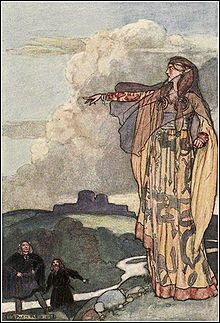
Maga is a fascinating figure within the rich tapestry of Irish mythology. Often depicted as a powerful and enigmatic woman, she embodies many traits associated with the ancient traditions of the Irish people. Her story is woven into the larger narratives of heroes, gods, and mystical creatures that populate the mythological landscape of Ireland. Understanding Maga requires a journey into the world of legends, where history and fantasy intertwine to create stories that have been passed down through generations. This article delves into the various aspects of Maga, exploring her origins, her role in mythology, and the cultural significance she holds.
Origins of Maga
The origins of Maga can be traced back to the early Irish epics, where she is often mentioned alongside other significant mythological figures. Some sources suggest that she may have roots in ancient goddess worship, possibly linked to the earth or fertility. This connection to nature is essential in understanding her character, as many goddesses in Irish mythology symbolize various aspects of the land and its bounty. The stories of Maga often highlight her strength and resilience, qualities that resonate deeply with the Irish identity.
 Medb
MedbIn some accounts, Maga is depicted as a warrior queen, leading her people into battle with unmatched bravery. Her prowess in combat is celebrated in various tales, where she is not only a skilled fighter but also a wise leader. This duality of strength and wisdom is a recurring theme in Irish mythology, where female figures often possess a unique blend of traits that set them apart from their male counterparts. The idea of a woman leading her people reflects the cultural values of ancient Ireland, where respect for strong female figures was prevalent.
Maga in Mythological Texts
Maga appears in several important texts that form the foundation of Irish mythology. One of the most notable is the Lebor Gabála Érenn, or the Book of Invasions, which recounts the history of Ireland from its mythical beginnings. In this text, she is sometimes associated with the Tuatha Dé Danann, a supernatural race that is central to Irish folklore. The Tuatha Dé Danann are often described as skilled in magic and warfare, and Maga’s connection to them underscores her significance in the pantheon of Irish deities.
Another important source is the Ulster Cycle, a collection of stories focused on the hero Cú Chulainn and the warriors of Ulster. Maga’s involvement in these tales showcases her role in the epic struggles that define this cycle. Her presence often serves as a catalyst for action, pushing heroes to their limits and challenging their understanding of honor and bravery. This aspect of her character emphasizes the interconnectedness of fate and personal choice, a common theme in many mythological narratives.
 Macha
MachaKey Stories Involving Maga
- The Battle of Mag Tuired
- The Cattle Raid of Cooley
- The Fate of the Children of Lir
One of the most significant stories involving Maga is the Battle of Mag Tuired. This epic conflict pits the Tuatha Dé Danann against the Fomorians, a race of monstrous beings. Maga plays a crucial role in this battle, using her cunning and strategy to outmaneuver the enemy. Her actions not only highlight her strength but also her ability to inspire those around her. The outcome of the battle is pivotal in establishing the dominance of the Tuatha Dé Danann, marking a significant moment in Irish mythological history.
Another notable tale is the Cattle Raid of Cooley, where Maga’s influence can be felt through the actions of Cú Chulainn. In this story, Cú Chulainn faces overwhelming odds to protect his kingdom. Maga’s presence is felt as a guiding force, reminding the hero of his duties and the importance of honor. This narrative illustrates the connection between Maga and the heroic ethos prevalent in Irish mythology, showcasing how her spirit motivates the warriors to achieve greatness.
The Symbolism of Maga
Maga is rich in symbolism, representing various aspects of life, nature, and the human experience. Her character often embodies the duality of strength and vulnerability, showcasing the complexities of female figures in mythology. This duality can be seen in her relationships with other characters, where she navigates the challenges of loyalty, love, and betrayal. Such themes resonate with the human experience, making her a relatable figure even in the modern context.
 Mac Cécht
Moreover, Maga’s connection to the land and nature highlights the ancient Irish belief in the sacredness of the earth. She is often depicted as a guardian of fertility and prosperity, reflecting the agricultural roots of Irish society. This association with the land reinforces the idea that the well-being of the people is intertwined with the health of the environment. In this sense, Maga serves as a reminder of the importance of respecting and nurturing the natural world.
Important Symbols Associated with Maga
- Earth and Fertility
- Wisdom and Strategy
- Strength and Resilience
The symbols associated with Maga further enhance her character. The earth and fertility are central to her identity, as she is often linked to the cycles of nature. This connection emphasizes the importance of nurturing the land and respecting its rhythms. In ancient Irish culture, the earth was revered, and figures like Maga represented the divine aspects of nature that sustained life.
Maga’s association with wisdom and strategy is also significant. Her ability to devise clever plans and navigate complex situations sets her apart from other figures in mythology. This intelligence is a vital trait for leaders, highlighting the importance of mental strength alongside physical prowess. In many stories, it is her wisdom that ultimately leads to victory, reinforcing the idea that true strength comes from understanding and insight.
The Cultural Impact of Maga
The cultural impact of Maga extends beyond the pages of ancient texts. Her character has influenced various aspects of Irish culture, from literature to art. In modern interpretations, Maga is often seen as a symbol of female empowerment, representing the strength and resilience of women throughout history. This reinterpretation allows contemporary audiences to connect with her story on a deeper level, finding inspiration in her courage and determination.
In literature, authors have drawn on Maga’s legacy to explore themes of identity, power, and the role of women in society. Her character serves as a powerful reminder of the importance of representation and the need to honor the stories of strong female figures. By revisiting these ancient tales, modern writers can shed light on the complexities of gender and the enduring relevance of myth in contemporary culture.
Modern Interpretations of Maga
- Literature and Poetry
- Visual Arts
- Theatrical Performances
In literature and poetry, Maga has inspired numerous works that explore her character and the themes associated with her story. Poets and novelists have reimagined her narrative, weaving her into new tales that resonate with today’s audiences. This literary revival not only honors her legacy but also invites readers to engage with the rich tradition of Irish mythology.
The visual arts have also embraced the figure of Maga, with artists depicting her in various forms. From paintings to sculptures, her image has become a symbol of strength and resilience. These artistic representations serve to keep her story alive, allowing new generations to discover the beauty and complexity of Irish mythology. Through art, Maga’s character continues to inspire and provoke thought about the role of women in both myth and society.
Maga’s Legacy in Irish Mythology
The legacy of Maga is firmly entrenched in the fabric of Irish mythology. As a powerful figure, she represents the ideals of strength, wisdom, and connection to the land. Her stories have been passed down through generations, ensuring that her influence remains relevant in contemporary discussions about mythology and culture. The themes associated with her character continue to resonate with audiences, reflecting the enduring power of myth to shape our understanding of identity and humanity.
Furthermore, Maga’s legacy serves as a bridge between the past and the present. By exploring her character, we gain insight into the values and beliefs of ancient Irish society. This exploration allows us to appreciate the complexities of mythological narratives and the ways in which they inform our modern understanding of gender, power, and resilience. In this sense, Maga is not just a figure of the past; she is a timeless symbol of the strength that resides within all of us.
Continuing the Conversation
- Academic Research
- Community Engagement
- Folklore Preservation
The conversation around Maga and her significance continues in various fields, including academic research. Scholars delve into her character, examining the nuances of her portrayal in different texts and the cultural implications of her stories. This research contributes to a broader understanding of Irish mythology and its relevance in contemporary society.
Community engagement plays a crucial role in preserving the stories of figures like Maga. Festivals, storytelling events, and educational programs celebrate Irish mythology, fostering a sense of connection to the past. By sharing these stories, communities keep the spirit of Maga alive, ensuring that her legacy endures for future generations.
Finally, folklore preservation efforts highlight the importance of maintaining the rich traditions of Irish storytelling. Organizations dedicated to preserving folklore work to document and share stories, ensuring that figures like Maga are remembered and celebrated. This preservation is vital for maintaining cultural heritage and fostering a sense of identity among the Irish people.