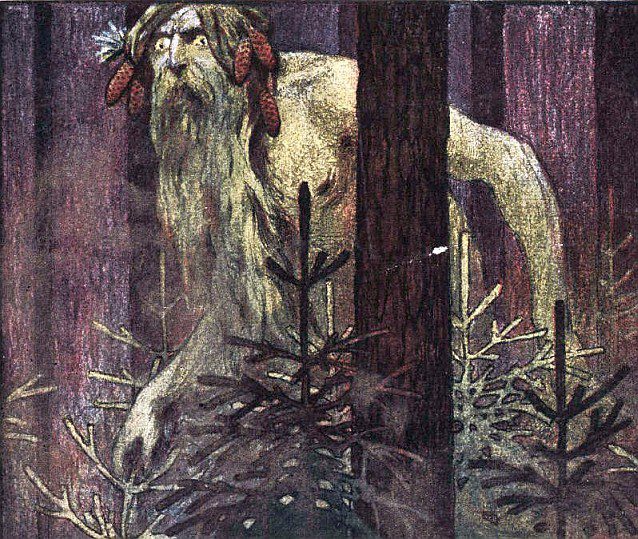
The Leshy is a fascinating figure from Slavic mythology, known as the guardian of the forest. This mythical creature is often depicted as a tall man with a beard made of moss and hair made of leaves. The Leshy is considered a spirit of the woods, embodying the untamed nature and the mysteries of the forest. His role is to protect the animals and plants within his domain, ensuring that the balance of nature is maintained. The Leshy is also known for his ability to shape-shift, which adds to his enigmatic character. He can appear as a human, an animal, or even a tree, depending on his mood and the situation at hand.
Origins of the Leshy
The origins of the Leshy can be traced back to ancient Slavic beliefs, where nature was revered and respected. In these early cultures, forests were seen as sacred places filled with spirits and deities. The Leshy was believed to be one of these spirits, representing the essence of the woods. He was often invoked by those who depended on the forest for their livelihood, such as hunters and gatherers, to ensure a bountiful harvest and safe passage through the woods.
 Kupala
According to folklore, the Leshy is a guardian who watches over the animals in his forest. He is often described as having a close relationship with the wildlife, and he is known to help lost travelers find their way home. However, the Leshy can also be mischievous and unpredictable. He might lead travelers astray or play tricks on those who disrespect the forest or its creatures. This duality makes the Leshy a complex figure in Slavic mythology, embodying both the nurturing and wild aspects of nature.
Physical Appearance and Characteristics
The physical appearance of the Leshy varies depending on the region and the specific tales told about him. Typically, he is described as a tall, slender man, often standing several feet taller than an average human. His skin is often depicted as green or brown, blending in with the forest environment. His hair is made of leaves and branches, and his beard resembles moss or lichen. This appearance helps him camouflage within the trees, making it difficult for humans to spot him.
 Kremara
One of the most distinctive features of the Leshy is his eyes, which are said to be bright and piercing, often glowing in the dark. These eyes allow him to see well in the dense forest and to keep watch over his domain. Additionally, the Leshy is said to have the ability to change his size, shrinking to the height of a small animal or growing to be as tall as the tallest trees. This shape-shifting ability is not just for fun; it serves as a way for the Leshy to protect his forest and play tricks on unsuspecting intruders.
The Leshy and Nature
The Leshy is deeply connected to nature and embodies the spirit of the forest. He is often depicted as a protector of the animals and plants that inhabit his realm. This connection to nature is one of the key aspects of his character. The Leshy is known to communicate with the creatures of the forest, guiding them and ensuring their safety. He is seen as a father figure to the animals, providing them with shelter and food.
In Slavic folklore, the Leshy is also responsible for maintaining the balance of nature. He ensures that the forest remains healthy and thriving, and he punishes those who harm it. For example, if a hunter kills more animals than he needs, the Leshy might unleash his wrath, causing the hunter to become lost in the woods or encounter other misfortunes. This aspect of the Leshy serves as a reminder of the importance of respecting nature and living in harmony with the environment.
 Koschei
Legends and Folklore
Many legends and stories about the Leshy have been passed down through generations in Slavic cultures. One popular tale tells of a hunter who ventured into the forest, seeking a great prize. Ignoring the signs of the Leshy’s presence, the hunter began to hunt recklessly. As a result, he found himself lost in the woods, unable to find his way home. It was only when he showed respect for the forest and its creatures that the Leshy decided to help him, leading him back to safety.
Another common legend involves the Leshy’s ability to shape-shift. In one story, a group of travelers encounters the Leshy, who appears as a handsome man. He tricks them into following him deeper into the woods, where they become lost. Eventually, they realize their mistake and plead for forgiveness. The Leshy, amused by their plight, transforms back into his true form and allows them to return home, but only after they promise to respect the forest in the future.
Interactions with Humans
The Leshy’s interactions with humans are often characterized by a mix of benevolence and mischief. While he can be a helpful guardian, he is also known for his playful nature, often leading humans astray or playing tricks on them. Travelers in the forest are advised to be cautious and respectful, as the Leshy may take offense if they disturb the natural order.
In some stories, the Leshy is said to have the ability to speak to humans, offering guidance or warnings. He might appear to a lost traveler, providing them with directions or advice on how to navigate the forest safely. However, this communication is rare, and most encounters with the Leshy are indirect. People may hear whispers in the wind or see fleeting shadows, which are believed to be signs of the Leshy’s presence.
Symbolism of the Leshy
The Leshy is rich in symbolism, representing the connection between humans and nature. He embodies the idea that nature is a living entity, deserving of respect and care. The Leshy serves as a reminder of the importance of maintaining a harmonious relationship with the environment. In this way, he symbolizes the balance between humanity and the natural world.
Additionally, the Leshy represents the wild and untamed aspects of nature. He is a reminder that nature can be both beautiful and dangerous, and that humans must tread carefully in the wilderness. The duality of the Leshy’s character—both protector and trickster—highlights the complexities of the natural world and the need for respect and understanding.
Modern Interpretations
In modern times, the Leshy has been reinterpreted in various forms of art, literature, and popular culture. Many contemporary artists and writers draw inspiration from this mythical figure, exploring themes of nature, spirituality, and the human experience. The Leshy is often portrayed as a wise and benevolent spirit, guiding individuals on their journeys through life.
Moreover, the Leshy has made appearances in films, video games, and literature, where he is often depicted as a guardian of the forest or a mystical creature with magical abilities. These modern interpretations help to keep the legend of the Leshy alive, introducing new generations to the rich tapestry of Slavic mythology.
The Leshy in Popular Culture
The Leshy has found a place in popular culture, appearing in various media that explore folklore and fantasy. For example, in some video games, the Leshy is depicted as a character that players can encounter in forest settings. He may offer quests, guidance, or challenges, embodying the spirit of adventure and the unknown. These portrayals highlight the enduring fascination with mythical creatures and the themes they represent.
In literature, authors have reimagined the Leshy in stories that explore the relationship between humanity and nature. He often serves as a symbol of the wilderness, representing both the beauty and danger that can be found in the natural world. These stories encourage readers to reflect on their connection to nature and the importance of preserving the environment.
While the Leshy remains a captivating figure in Slavic mythology, his lessons about nature, respect, and balance continue to resonate in today’s world. As we navigate our modern lives, the stories of the Leshy remind us of the importance of caring for our environment and honoring the spirits that inhabit it. The Leshy serves as a bridge between the past and the present, connecting us to the wisdom of our ancestors and the beauty of the natural world.