
Babalú Ayé is a significant figure in Caribbean mythology, particularly within the Afro-Caribbean religious traditions such as Santería and Vodou. He is often associated with healing and the control of infectious diseases. The figure of Babalú Ayé embodies the duality of life and death, representing both the suffering caused by illnesses and the hope for healing. His image is deeply intertwined with the cultural practices and beliefs of many communities across the Caribbean, reflecting a rich tapestry of history, spirituality, and resilience.
The Origins of Babalú Ayé
The origins of Babalú Ayé can be traced back to the Yoruba religion, which hails from what is now Nigeria. In Yoruba mythology, he is known as Obaluaye, the god of smallpox and infectious diseases. The Yoruba people brought their beliefs and deities to the Caribbean during the transatlantic slave trade, where they merged with other cultural and religious practices, creating a unique syncretism. Babalú Ayé became a symbol of hope for many, as he represents the struggle against illness and the quest for health and well-being.
 Orichas
Babalú Ayé is often depicted wearing tattered clothing, which symbolizes the suffering and pain associated with diseases. His appearance serves as a reminder of the harsh realities of life, particularly for those who have faced the devastating effects of illness. Despite his fearsome reputation, Babalú Ayé is also seen as a compassionate figure who has the power to heal and alleviate suffering. This duality makes him a complex and revered deity within Caribbean mythology.
The Symbolism of Babalú Ayé
The symbolism associated with Babalú Ayé is rich and varied. One of the most prominent symbols is the rags he wears, which represent the scars of suffering and the trials faced by those afflicted with diseases. His rags also signify humility, reminding followers that even the most powerful beings can experience pain and hardship. This aspect of his symbolism resonates deeply with many people, particularly those who have faced their own struggles with health.
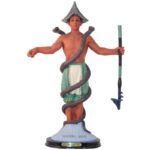 Inle
InleBabalú Ayé is also associated with the earth and the elements. He is often depicted with elements such as dirt or dust, which symbolize the connection to the physical world and the cycle of life and death. In many traditions, he is believed to have the power to bring forth life from the earth, emphasizing the importance of nature in the healing process. This connection to the earth further reinforces his role as a healer and protector of the community.
The Rituals and Offerings to Babalú Ayé
Rituals and offerings play a crucial role in honoring Babalú Ayé. Devotees often create altars adorned with various items that hold significance for the deity. Common offerings include fruits, flowers, and alcohol, which are presented to appease and seek favor from Babalú Ayé. These offerings are a way for followers to express gratitude for his protection and healing powers, as well as to request his intervention in times of need.
In many traditions, followers may also perform drumming and dancing as part of their rituals to invoke the spirit of Babalú Ayé. Music and dance are essential components of Afro-Caribbean spirituality, serving as a means of connecting with the divine. During these rituals, participants often wear special garments that reflect the colors and symbols associated with Babalú Ayé, further enhancing the spiritual atmosphere.
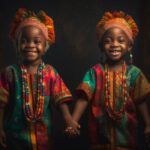 Ibeji
IbejiBabalú Ayé in Modern Context
In contemporary society, Babalú Ayé continues to hold significant importance for many people in the Caribbean and beyond. His legacy is evident in various cultural expressions, including music, dance, and visual arts. Artists often draw inspiration from his story and symbolism, creating works that reflect the ongoing struggles and triumphs of those affected by illness. This artistic expression serves as a powerful reminder of the resilience of the human spirit and the enduring relevance of Babalú Ayé’s message.
The figure of Babalú Ayé has also gained recognition outside of traditional religious practices. In recent years, there has been a growing interest in Afro-Caribbean spirituality and its teachings, leading to a resurgence of interest in Babalú Ayé. Many people are turning to these traditions for guidance and healing, recognizing the value of ancient wisdom in addressing modern challenges. This revival highlights the adaptability of Babalú Ayé’s teachings and their relevance in today’s world.
The Influence of Babalú Ayé on Health and Healing
Babalú Ayé’s influence extends beyond spiritual practices and rituals; it also impacts the understanding of health and healing in Caribbean communities. Many people view him as a protector against diseases, turning to him in times of illness or crisis. This belief in his healing powers often complements conventional medical practices, creating a holistic approach to health that integrates both spiritual and physical elements.
In some communities, traditional healers known as curanderos or santeros play a vital role in the healing process, often invoking Babalú Ayé during their practices. They may use herbal remedies, prayers, and rituals to promote healing and well-being, emphasizing the interconnectedness of body, mind, and spirit. This blend of traditional and modern healing practices showcases the enduring relevance of Babalú Ayé in addressing health issues within the community.
Babalú Ayé and Community Resilience
The story of Babalú Ayé is also a testament to the resilience of communities facing adversity. His narrative resonates with those who have endured suffering and loss, offering hope and strength in times of hardship. The rituals and traditions surrounding Babalú Ayé serve as a means of fostering community bonds, bringing people together in shared experiences of healing and remembrance.
In times of crisis, such as during natural disasters or health pandemics, the teachings of Babalú Ayé often emerge as a source of comfort and guidance. Communities may come together to hold ceremonies and rituals, invoking his protection and support. These gatherings not only serve to honor Babalú Ayé but also reinforce the sense of community and collective resilience in facing challenges.
The Legacy of Babalú Ayé
The legacy of Babalú Ayé is deeply woven into the cultural fabric of the Caribbean. His story transcends generations, inspiring countless individuals to seek healing and hope in their lives. The continued practice of rituals and offerings to Babalú Ayé reflects a profound respect for tradition and the enduring connection to ancestral beliefs. His influence can be seen in various aspects of Caribbean culture, from music and dance to visual arts and storytelling.
As more people explore their cultural heritage and reconnect with their roots, Babalú Ayé remains a central figure in the conversation about identity, spirituality, and healing. His teachings continue to inspire those who seek solace and strength in their own lives, reminding them of the importance of community, resilience, and the enduring power of hope. The story of Babalú Ayé serves as a beacon of light for those navigating the complexities of life, illustrating the profound impact of mythology on the human experience.
Babalú Ayé stands as a powerful symbol of healing, resilience, and hope within Caribbean mythology. His origins, symbolism, and influence on health practices highlight the deep connections between spirituality and well-being in the lives of many people. Through rituals, offerings, and artistic expressions, Babalú Ayé continues to inspire and uplift communities, serving as a reminder of the enduring power of faith and the human spirit.