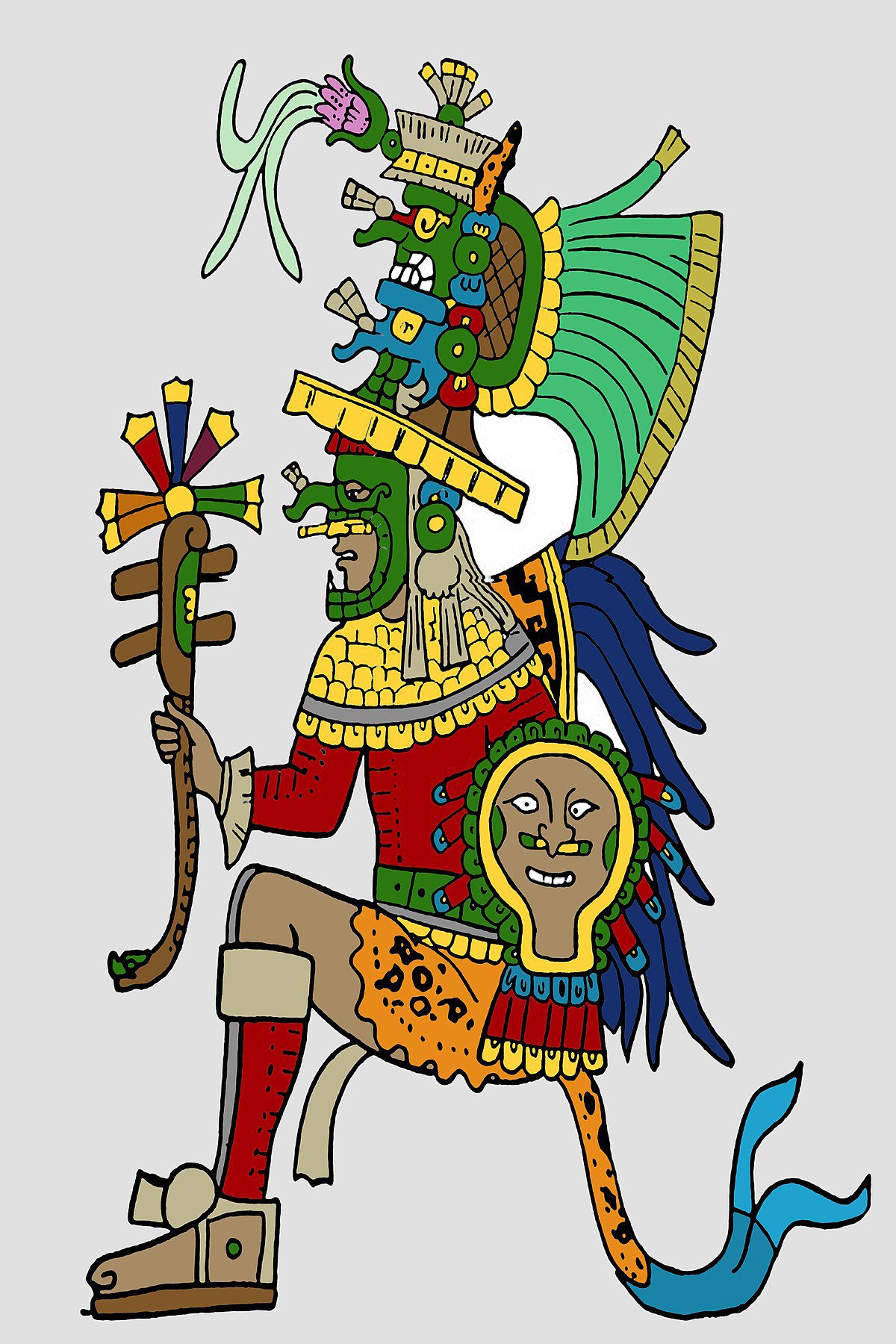
Chac Xib Chac is a fascinating figure in Maya mythology, representing the rain god and a significant aspect of the ancient Maya’s relationship with nature. He is often depicted as a powerful deity responsible for bringing rain and ensuring agricultural fertility. The importance of rain in Maya culture cannot be overstated, as it directly affects crop yields and the overall health of the community. Chac Xib Chac is not only a symbol of water but also embodies the balance between destruction and creation, showcasing the dual nature of many deities in Maya beliefs.
The Role of Chac Xib Chac in Maya Society
In the Maya civilization, Chac Xib Chac held a vital role in their agricultural practices. The Maya were primarily farmers, relying heavily on the rain to nourish their crops. As such, Chac Xib Chac was worshipped through various rituals and ceremonies, especially during the planting and harvesting seasons. These rituals often involved offerings, which could include food, flowers, and even blood sacrifices. The Maya believed that by appeasing Chac Xib Chac, they could ensure a good harvest and protect their communities from drought.
 Ixchel
Chac Xib Chac’s significance extended beyond agriculture; he was also seen as a protector of the community. During times of drought or disaster, the Maya would turn to Chac Xib Chac for help. They believed that if they performed the proper rituals, he would provide them with the rain they desperately needed. This reliance on Chac Xib Chac reflects the Maya’s deep connection to their environment and the forces of nature that governed their lives.
Chac Xib Chac’s Attributes and Symbols
Chac Xib Chac is often depicted with distinct attributes that symbolize his powers. One of the most recognizable symbols associated with him is the axe or lightning bolt, which represents his ability to bring rain through thunderstorms. This duality of destruction and creation is a common theme in many mythologies, and Chac Xib Chac embodies this concept perfectly. The lightning bolt signifies the power of rain, while also serving as a reminder of the destructive force of storms.
- Color Red: Chac Xib Chac is frequently associated with the color red, which signifies both the earth and the life-giving properties of rain.
- Serpents: In some depictions, Chac Xib Chac is shown with serpents, symbolizing water and fertility.
- Rain Clouds: His presence is often accompanied by rain clouds, further emphasizing his role as the rain god.
These symbols are not only artistic representations but also serve to communicate the complex beliefs of the Maya people regarding nature and spirituality. Each element in Chac Xib Chac’s imagery carries deep meaning, reflecting the reverence the Maya had for their gods and the natural world around them.
 Chac Uayeb Xoc
Chac Xib Chac in Mythological Narratives
Chac Xib Chac appears in various mythological narratives that highlight his importance within the pantheon of Maya gods. One popular story involves his conflict with other deities over control of the rain and water resources. This narrative illustrates the struggle for balance in nature, a recurring theme in Maya mythology. Chac Xib Chac’s battles often symbolize the seasonal changes and the cycle of life and death, echoing the realities faced by the Maya in their agricultural practices.
Another significant tale involves Chac Xib Chac’s journey to the underworld. In this narrative, he descends to the underworld to retrieve the sacred water needed to nourish the earth. This journey emphasizes the connection between the heavens and the earth, showcasing how the Maya viewed their gods as actively involved in their lives. Through these stories, Chac Xib Chac not only becomes a figure of reverence but also a symbol of hope and renewal for the Maya people.
Rituals and Worship of Chac Xib Chac
The worship of Chac Xib Chac involved various rituals that were integral to the Maya’s agricultural calendar. One of the most important ceremonies was the Ritual of the Rain, performed during the dry season. This ritual included dancing, singing, and the offering of food and other items to please Chac Xib Chac. The Maya believed that these acts of devotion would encourage the god to bring rain and ensure a bountiful harvest.
 Hozanek
- Offerings: Common offerings included maize, which was a staple food for the Maya, and flowers, which symbolized beauty and life.
- Blood Sacrifices: In some cases, blood sacrifices were made to show deep reverence and to invoke Chac Xib Chac’s favor.
- Community Gatherings: These rituals often brought the community together, reinforcing social bonds and collective identity.
Through these rituals, the Maya expressed their gratitude and respect for Chac Xib Chac, acknowledging his crucial role in their survival. The communal aspect of these ceremonies also highlights the importance of unity and cooperation in the face of nature’s unpredictability.
Chac Xib Chac in Art and Iconography
Chac Xib Chac’s influence is evident in Maya art and iconography, where he is often depicted in various forms. Pottery, murals, and sculptures frequently showcase images of Chac Xib Chac, illustrating his significance in the cultural and religious life of the Maya. These artistic representations serve not only as decorations but also as powerful symbols of the people’s beliefs and values.
In many artworks, Chac Xib Chac is shown with exaggerated features, such as a large nose and prominent fangs, which are characteristic of rain gods in various cultures. This portrayal emphasizes his otherworldly nature and his connection to the forces of nature. Additionally, the presence of water motifs and symbols of fertility in these artworks further reinforces his association with agriculture and sustenance.
The Influence of Chac Xib Chac in Modern Culture
Even today, the legacy of Chac Xib Chac continues to influence modern culture in regions once inhabited by the Maya. Festivals and celebrations that honor the rain and agricultural cycles often draw inspiration from ancient rituals dedicated to Chac Xib Chac. These events not only celebrate the agricultural heritage of the Maya but also serve as a reminder of the enduring connection between people and nature.
- Local Festivals: Many communities hold festivals that include traditional dances and rituals aimed at invoking rain and fertility.
- Artistic Expressions: Contemporary artists often incorporate elements of Chac Xib Chac into their works, reflecting the ongoing relevance of Maya mythology.
- Educational Programs: Efforts to educate younger generations about Maya mythology include discussions about Chac Xib Chac and his importance in the culture.
This cultural continuity highlights the resilience of Maya traditions and the ways in which they adapt to modern contexts while preserving their rich heritage. The figure of Chac Xib Chac serves as a bridge between the past and present, illustrating the timeless significance of nature and its deities in human life.
The Relationship Between Chac Xib Chac and Other Maya Deities
In the complex pantheon of Maya deities, Chac Xib Chac interacts with several other gods and goddesses, each with their own domains and responsibilities. His relationships with these deities often reflect the interconnectedness of various natural elements and forces. For instance, he is commonly associated with the Maize God, as both are vital for agricultural success. The maize god represents the crops that grow as a result of the rain brought by Chac Xib Chac.
Additionally, Chac Xib Chac often interacts with the Sun God. The sun and rain are both essential for agriculture, and their combined forces create the ideal conditions for crop growth. This relationship underscores the Maya belief in balance and harmony within the natural world, as each deity plays a crucial role in the cycle of life. Such interactions are frequently depicted in mythological stories and art, highlighting the importance of collaboration among the gods.
The Legacy of Chac Xib Chac in Archaeological Findings
Archaeological discoveries have revealed much about the worship of Chac Xib Chac and the significance of rain in Maya culture. Sites such as Tikal and Palenque feature temples and altars dedicated to Chac Xib Chac, providing insight into how the ancient Maya revered this deity. Inscriptions and carvings often depict rituals performed in his honor, showcasing the rituals’ importance in maintaining agricultural productivity.
- Temple Structures: Many temples dedicated to Chac Xib Chac are adorned with intricate carvings that depict scenes of rain and fertility.
- Offerings Found: Archaeologists have discovered various offerings, including ceramics and tools, left at sites dedicated to Chac Xib Chac.
- Iconography Studies: Research into Maya iconography has provided deeper understanding of Chac Xib Chac’s attributes and significance in the pantheon.
These archaeological findings not only illuminate the practices surrounding Chac Xib Chac but also contribute to a broader understanding of the Maya civilization’s complex relationship with nature and spirituality. Each discovery adds another layer to the rich tapestry of Maya mythology and the enduring legacy of its deities.
Chac Xib Chac and Environmental Awareness
In contemporary discussions about environmental awareness, Chac Xib Chac serves as a poignant reminder of the importance of respecting and protecting natural resources. The Maya’s reverence for this rain god reflects a deep understanding of the delicate balance between humans and the environment. As modern society grapples with issues such as climate change and resource depletion, the teachings embodied by Chac Xib Chac resonate more than ever.
Many modern initiatives aimed at sustainability and environmental conservation can draw inspiration from the ancient Maya’s practices. By recognizing the interconnectedness of all living things, communities can adopt more holistic approaches to managing natural resources. Chac Xib Chac’s story encourages individuals to appreciate the importance of water and its role in sustaining life, urging a return to more sustainable practices that honor the earth.
Educational Initiatives Inspired by Chac Xib Chac
Several educational initiatives focus on teaching younger generations about the significance of Chac Xib Chac and the broader context of Maya mythology. These programs aim to instill a sense of appreciation for cultural heritage while also fostering an understanding of environmental stewardship. By integrating stories of Chac Xib Chac into curricula, educators can highlight the importance of respecting natural resources and the lessons learned from ancient practices.
- Cultural Workshops: Many schools and community centers offer workshops that explore Maya mythology, including the story of Chac Xib Chac.
- Field Trips: Visits to archaeological sites can provide firsthand experience of the rich cultural history associated with Chac Xib Chac.
- Art Projects: Engaging students in art projects that reflect themes from Maya mythology encourages creativity and cultural appreciation.
These initiatives not only help preserve the legacy of Chac Xib Chac but also promote a deeper understanding of the vital connection between culture, nature, and sustainability. Through education, the stories of the past can inspire future generations to live in harmony with the environment.
The Continuing Relevance of Chac Xib Chac
The figure of Chac Xib Chac continues to hold relevance in today’s world, reminding us of the ancient Maya’s profound understanding of nature and their spirituality. As we face environmental challenges, the lessons learned from Chac Xib Chac’s worship can guide us toward a more sustainable future. The respect for water and the cycles of nature embodied by this rain god can inspire contemporary practices aimed at conservation and environmental protection.
Moreover, Chac Xib Chac serves as a bridge between the past and present, connecting modern communities with their ancestral heritage. By recognizing the importance of this deity, we can honor the rich cultural traditions of the Maya while also advocating for the preservation of the environment. The enduring legacy of Chac Xib Chac reminds us that our relationship with nature is not just a modern concern but a timeless one.
Final Thoughts on Chac Xib Chac
Chac Xib Chac represents more than just a rain god; he embodies the complex interplay between nature, spirituality, and community within the Maya civilization. His stories, rituals, and symbols offer valuable insights into the ancient Maya’s worldview and their deep connection to the environment. As we explore the significance of Chac Xib Chac, we uncover not only the beliefs of a remarkable culture but also the enduring lessons that can inform our approach to modern challenges.
In recognizing the importance of Chac Xib Chac, we celebrate the resilience of the Maya and their contributions to our understanding of nature and spirituality. By honoring this rain god, we acknowledge the vital role of water in sustaining life and the necessity of protecting our natural resources for future generations. Chac Xib Chac serves as a reminder that the lessons of the past can guide us in creating a more sustainable and harmonious world.