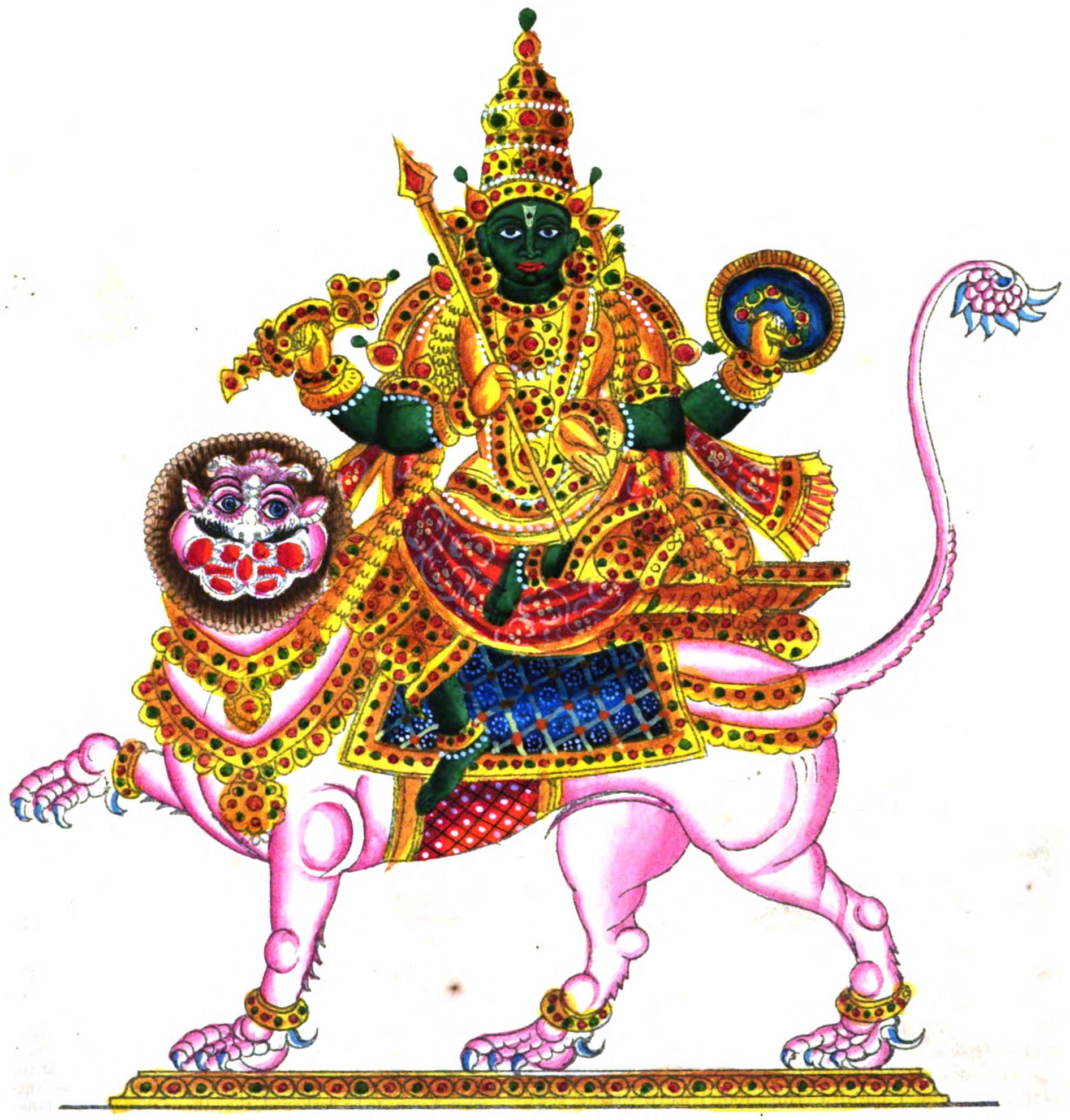
Rahu is a significant figure in Hindu mythology and is often associated with eclipses and the concepts of time and fate. He is not a physical entity but rather a celestial body that plays a crucial role in astrological predictions and interpretations. In Hindu cosmology, Rahu is considered a shadow planet, which means that he does not have a physical form like other planets. Instead, he represents the areas of our lives that are hidden, mysterious, and often misunderstood. The tale of Rahu is deeply intertwined with the concepts of karma and destiny, making him a fascinating subject of study.
The Mythological Origins of Rahu
The story of Rahu begins in the ancient texts of Hinduism, particularly in the Mahabharata and the Bhagavata Purana. According to the legend, during the churning of the ocean (Samudra Manthan), the gods and demons worked together to obtain the nectar of immortality, known as amrita. However, the demons, led by Rahu, attempted to deceive the gods and consume the nectar first. To thwart their plan, Lord Vishnu took the form of a beautiful enchantress named Mohini and distributed the nectar among the gods only.
 Pûtanâ
As the story unfolds, Rahu managed to drink some of the nectar while disguised as a god. However, the Sun and the Moon noticed his deception and informed Lord Vishnu. Angered by this trickery, Vishnu used his discus, the Chakra, to sever Rahu’s head from his body. However, since Rahu had already consumed the nectar, he became immortal. The head of Rahu continues to chase the Sun and the Moon, which is why eclipses occur. This myth symbolizes the eternal struggle between light and darkness, good and evil.
The Symbolism of Rahu
Rahu embodies many significant concepts in Hindu philosophy. He is often associated with illusion, deception, and the darker aspects of human nature. In astrological terms, Rahu represents the unconscious desires and the things we seek but cannot attain. He is known to create confusion and challenges in life, pushing individuals to confront their inner fears and desires. This duality makes Rahu a complex figure, embodying both positive and negative traits.
Furthermore, Rahu is associated with materialism and the pursuit of worldly pleasures. He encourages individuals to explore the depths of their desires, but this often leads to unfulfilling experiences. People under Rahu’s influence may find themselves caught in a cycle of wanting more, never truly satisfied with what they have. This aspect of Rahu teaches us the importance of understanding our desires and the consequences of unchecked ambition.
 Pushpaka
Rahu in Astrology
In Vedic astrology, Rahu is considered a powerful planet that influences various aspects of life. He is associated with the ninth house, which represents higher learning, spirituality, and fortune. Rahu is known to bring unexpected changes and transformations, often resulting in a person questioning their beliefs and values. This influence can lead to both positive and negative outcomes, depending on how one navigates these challenges.
Astrologers often analyze the placement of Rahu in a person’s birth chart to understand their life path and potential struggles. A well-placed Rahu can indicate a person who is adventurous, innovative, and capable of achieving great success. On the other hand, a poorly placed Rahu can lead to confusion, deception, and a lack of direction in life. Understanding Rahu’s position can provide valuable insights into one’s strengths and weaknesses.
 Pushan
Rahu’s Influence on Relationships
Rahu’s influence extends beyond personal growth and success; it also significantly impacts relationships. Individuals under the influence of Rahu may experience tumultuous relationships characterized by passion, jealousy, and conflict. Rahu’s energy can create an intense attraction between partners, but it can also lead to misunderstandings and miscommunications. This dual nature makes relationships influenced by Rahu both exciting and challenging.
In romantic relationships, Rahu can lead to intense emotions and desires. Couples may find themselves drawn to each other in powerful ways, but this can also result in possessiveness and insecurity. It is essential for individuals to be aware of these dynamics and work towards open communication and understanding. By acknowledging Rahu’s influence, partners can navigate their relationship more effectively and avoid unnecessary conflicts.
Rahu and Spiritual Growth
Despite Rahu’s association with materialism and deception, he also plays a crucial role in spiritual growth. The challenges and obstacles that Rahu presents can serve as valuable lessons, encouraging individuals to reflect on their true selves and their life choices. By confronting the illusions and desires that Rahu represents, individuals can embark on a journey of self-discovery and transformation.
Many spiritual seekers believe that working with Rahu’s energy can lead to profound insights and enlightenment. By embracing the lessons that come from facing one’s fears and desires, individuals can achieve a deeper understanding of themselves and their place in the universe. This journey of self-exploration can ultimately lead to greater fulfillment and spiritual awakening.
Rahu in Modern Context
In today’s world, the influence of Rahu can be seen in various aspects of life, from personal ambitions to societal trends. Many individuals find themselves caught in the pursuit of success, often driven by societal expectations and material desires. Rahu’s energy can amplify these tendencies, leading to a sense of disconnection and dissatisfaction. Recognizing this influence is crucial for achieving a balanced and fulfilling life.
Moreover, Rahu’s presence in the digital age is significant. The internet and social media can amplify the illusions and desires that Rahu embodies. People often present curated versions of their lives online, leading to comparisons and feelings of inadequacy. It is essential to remain grounded and aware of these influences, focusing on authenticity rather than superficiality.
Rahu and Cultural Interpretations
Different cultures interpret Rahu in various ways, reflecting the diverse beliefs and practices surrounding this celestial figure. In some cultures, Rahu is seen as a bringer of chaos and disruption, while in others, he is viewed as a catalyst for transformation and growth. These interpretations often shape how individuals understand and interact with Rahu’s energy in their lives.
For instance, in some Southeast Asian cultures, Rahu is associated with specific rituals and ceremonies aimed at appeasing his energy. These practices may involve offerings, prayers, and meditative practices designed to harness Rahu’s influence positively. Understanding these cultural nuances can enrich one’s perspective on Rahu and his significance in human experience.
Rahu’s Role in Festivals
Rahu also plays a significant role in various Hindu festivals and rituals. One of the most notable is the festival of Chhath Puja, celebrated primarily in Bihar and Uttar Pradesh. During this festival, devotees worship the Sun and offer prayers to Rahu, seeking his blessings for prosperity and protection. The rituals performed during Chhath Puja reflect the deep-rooted beliefs in the power of celestial bodies and their influence on human lives.
Another festival that highlights Rahu’s significance is Kumbh Mela, one of the largest religious gatherings in the world. During this festival, millions of pilgrims gather to bathe in sacred rivers, believing that it cleanses them of sins and brings them closer to enlightenment. The alignment of celestial bodies, including Rahu, is believed to enhance the spiritual benefits of this pilgrimage, drawing more devotees to participate.
Rahu’s multifaceted nature makes him a compelling figure in Hindu mythology and astrology. His influence extends beyond individual lives, shaping societal norms, cultural practices, and spiritual beliefs. By understanding Rahu’s role in our lives, we can navigate the complexities of our desires, ambitions, and relationships more effectively. Embracing the lessons that come from Rahu’s energy can lead to greater self-awareness, fulfillment, and spiritual growth.