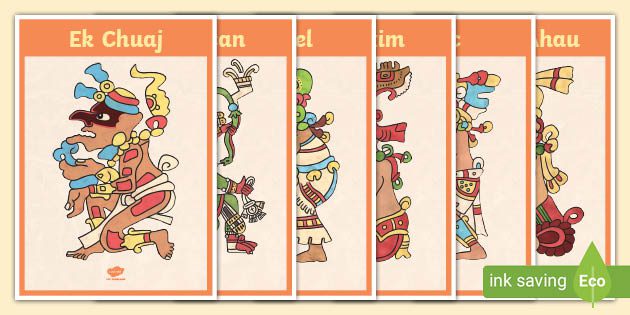
The ancient Maya civilization has fascinated historians and enthusiasts alike with its rich mythology and complex pantheon of gods. One of the most intriguing deities in this belief system is God Q, also known as God K or God of the Sun. This god is often depicted in various forms, showcasing the depth and diversity of Maya mythology. Understanding God Q requires an exploration of the symbols, stories, and cultural significance surrounding this important figure.
The Nature of God Q
God Q is primarily associated with the sun, light, and fertility. In the Maya worldview, the sun was not just a celestial body; it was a vital source of life and energy. As such, God Q held a significant place in the pantheon, often represented as a powerful figure who brought warmth and growth to the earth. His association with fertility extended beyond agriculture to encompass all forms of life, making him a central figure in rituals aimed at ensuring bountiful harvests and healthy communities.
 Ek Chuah
The Maya depicted God Q in various forms, often using intricate carvings and paintings to illustrate his attributes. He is frequently shown with a large headdress adorned with feathers and symbols of the sun. This imagery emphasizes his role as a life-giving force. Additionally, God Q’s connection to the sun is not merely physical; it also symbolizes enlightenment, knowledge, and the passage of time. The Maya viewed time as cyclical, and God Q played a crucial role in maintaining this cycle.
Symbolism and Representations
The symbolism surrounding God Q is rich and varied. One of the most common symbols associated with him is the sun disk, which represents his dominion over light and warmth. The sun disk is often depicted in artwork alongside other symbols, such as maize, which signifies fertility and sustenance. This connection highlights the importance of agriculture in Maya society and the belief that God Q’s blessings were essential for a successful harvest.
In addition to the sun disk, God Q is often represented with various animals, particularly birds. Birds in Maya mythology symbolize freedom and the connection between the earthly realm and the heavens. God Q’s association with these creatures further emphasizes his role as a bridge between the human world and the divine. The presence of birds in depictions of God Q can also be seen as a reminder of the beauty and vitality that the sun brings to life.
 Coyopa
Mythological Stories Involving God Q
Numerous myths and stories feature God Q, illustrating his significance in Maya culture. One popular tale recounts how God Q battled against the forces of darkness. In this story, the sun is portrayed as a fierce warrior, fighting to bring light to the world. This battle symbolizes the eternal struggle between light and darkness, a theme prevalent in many cultures. The victory of God Q represents hope and the promise of renewal, as the sun rises each day to dispel the shadows.
Another story highlights God Q’s role in the creation of humanity. According to Maya mythology, the gods initially created humans from maize, but these beings were flawed and unable to worship their creators. In a second attempt, God Q played a crucial role in molding a more perfect version of humanity. This narrative underscores the importance of agriculture and the connection between the gods and the sustenance of life, emphasizing that humans are intrinsically linked to the earth and its cycles.
 Cit Bolon Tum
God Q in Rituals and Ceremonies
The worship of God Q was integral to many Maya rituals and ceremonies. Communities would often gather to perform ceremonies aimed at honoring this deity, particularly during important agricultural seasons. These rituals typically involved offerings of food, flowers, and incense, symbolizing gratitude for the blessings of the sun. The Maya believed that by pleasing God Q, they could ensure favorable weather and bountiful crops.
In addition to agricultural ceremonies, God Q was also honored during festivals celebrating the sun’s cycles. These events often included music, dance, and elaborate costumes, all designed to pay tribute to the god. Participants would engage in rituals that reflected their deep respect for God Q and their understanding of his vital role in their lives. The Maya viewed these ceremonies as a way to maintain harmony with the natural world and acknowledge the divine forces that governed their existence.
God Q and Other Deities
In the intricate tapestry of Maya mythology, God Q interacts with various other deities, each with their unique attributes and responsibilities. One notable figure is Itzamná, the creator god, who is often associated with wisdom and knowledge. God Q and Itzamná work together in many myths, highlighting the importance of collaboration among the gods in maintaining balance in the universe. Their relationship symbolizes the interconnectedness of various aspects of life, from creation to sustenance.
Another significant deity in relation to God Q is Chac, the rain god. Chac represents the vital element of water, essential for agriculture and life. The interplay between God Q and Chac emphasizes the importance of both sun and rain in the agricultural cycle. Together, they ensure the fertility of the land, showcasing the Maya understanding of the natural world and its dependencies. This relationship is a reminder of the balance necessary for life to thrive.
God Q in Contemporary Maya Culture
Even in contemporary Maya culture, the legacy of God Q persists. Many descendants of the ancient Maya still honor their ancestral beliefs, integrating elements of traditional mythology into their daily lives. Festivals celebrating the sun and agricultural cycles continue to be observed, often blending ancient practices with modern influences. This continuity demonstrates the resilience of Maya culture and its ability to adapt while preserving core beliefs.
Artistic expressions, such as pottery, textiles, and murals, frequently depict God Q and other deities, serving as a reminder of the rich heritage of the Maya people. These artistic representations not only celebrate their mythology but also educate younger generations about their cultural history. By keeping the stories of God Q alive, contemporary Maya communities maintain a connection to their past while navigating the complexities of modern life.
The Importance of God Q in Maya Cosmology
In Maya cosmology, God Q holds a central position, representing the sun’s vital role in sustaining life. The Maya understood the sun as a powerful force that influenced not only agriculture but also the rhythms of daily life. They believed that God Q’s movements across the sky affected everything from planting and harvesting to rituals and ceremonies. This understanding of the sun’s significance reflects the deep connection the Maya had with their environment.
The cycles of the sun, represented by God Q, also aligned with the Maya calendar, a complex system that tracked time based on celestial movements. The calendar was crucial for agricultural planning and religious observance, demonstrating the importance of synchronizing human activities with the natural world. God Q’s presence in this system highlights the interdependence of the Maya people and their environment, emphasizing the need for harmony and respect for nature.
Conclusion of God Q’s Legacy
The legacy of God Q continues to resonate within the Maya community and beyond. As a symbol of life, fertility, and the cyclical nature of existence, God Q embodies the essence of Maya beliefs. His stories and representations serve as a reminder of the importance of respecting the natural world and recognizing the interconnectedness of all living beings. Through rituals, art, and cultural practices, the memory of God Q remains alive, ensuring that future generations appreciate the richness of their heritage.