
Wadjet is one of the most significant deities in Egyptian mythology, often depicted as a cobra or a woman with a cobra on her head. She represents protection, royalty, and the power of the pharaohs. As a symbol of royal authority, Wadjet was particularly important in the context of the unification of Upper and Lower Egypt. Her image was commonly found on the crowns of the pharaohs, signifying their divine right to rule and the protection they received from the goddess. Understanding Wadjet’s role in ancient Egyptian culture provides insights into the beliefs and practices of one of the world’s oldest civilizations.
Origins of Wadjet
The origins of Wadjet can be traced back to the ancient city of Buto, located in the Nile Delta. This city was a significant center of worship for Wadjet, and her cult thrived there. In early Egyptian history, she was revered as a goddess of the desert and the nile, highlighting her importance to both the agricultural and military aspects of Egyptian life. The early Egyptians saw her as a protective deity, ensuring the safety of their lands and their people from potential threats.
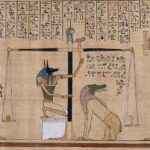 Book Of The Dead
Wadjet’s name translates to “the green one,” which is often associated with the lushness of the Nile and the fertility it brought to the land. This connection to the color green symbolizes growth, renewal, and vitality. As a goddess, she was often invoked in rituals to ensure a bountiful harvest and to protect the land from invaders. Her protective nature was also extended to the pharaohs, as she was believed to guard them in both life and death.
Symbolism of Wadjet
Wadjet is primarily represented as a cobra, which is a potent symbol of protection and power in ancient Egypt. The cobra is known for its ability to strike quickly and fiercely, making it an appropriate representation of a protective deity. Additionally, the cobra’s ability to shed its skin symbolizes renewal and transformation, further reinforcing Wadjet’s association with life and protection. In ancient Egyptian iconography, she is often shown coiled, ready to strike, which serves as a warning to any who would threaten her people or her pharaoh.
 Beset
BesetAnother important symbol associated with Wadjet is the Eye of Horus, also known as the Wedjat eye. This symbol represents protection, health, and restoration. It is believed that Wadjet played a crucial role in the mythological story of Horus, where she helped him regain his sight after he lost it in a battle against Set. The Eye of Horus became a powerful amulet in ancient Egypt, representing the protective qualities of Wadjet and her connection to the pharaohs.
Wadjet and the Pharaohs
The relationship between Wadjet and the pharaohs is a central aspect of her mythology. She was considered the protector of the pharaohs, providing them with divine support and guidance throughout their reign. Pharaohs often sought her blessings in their endeavors, especially before embarking on military campaigns or important rituals. Her presence was believed to ensure their success and safety, reinforcing the notion that they ruled with her divine favor.
Wadjet’s protective role extended beyond the living pharaohs to the deceased. In the afterlife, it was believed that she would guard the souls of the pharaohs, ensuring their safe passage to the afterlife. This belief was reflected in the burial practices of ancient Egypt, where images of Wadjet were often included in tombs and funerary items. By invoking her protection, the ancient Egyptians hoped to secure a favorable judgment in the afterlife, where the pharaoh would continue to rule as a divine being.
 Bes
BesCult and Worship of Wadjet
The worship of Wadjet was deeply ingrained in ancient Egyptian society, particularly in the region of Lower Egypt. Temples dedicated to her were established in cities like Buto, where rituals and offerings were made to gain her favor. Priests played a significant role in her cult, conducting ceremonies that included music, dance, and the presentation of offerings. These rituals were essential in maintaining the favor of Wadjet and ensuring her protection over the land and its people.
Wadjet was often worshipped alongside other deities, forming a complex pantheon that reflected the interconnectedness of various gods and goddesses in Egyptian belief. She was frequently associated with Horus, the sky god, and together they symbolized the unity of Upper and Lower Egypt. This partnership was celebrated in various festivals, which included processions, feasting, and communal prayers. Such events fostered a sense of community among the worshippers, reinforcing the idea that they were under the divine protection of Wadjet.
Wadjet in Art and Literature
Wadjet’s presence in ancient Egyptian art is notable and widespread. She is often depicted in various forms, such as a serpent or as a woman with a cobra headdress. These representations were not merely artistic expressions; they served a purpose in communicating her divine attributes and protective qualities. Artists paid great attention to detail, ensuring that her fierce nature and protective stance were clearly conveyed in their works. Many artifacts, including amulets and jewelry, feature her likeness, emphasizing her importance in the daily lives of the ancient Egyptians.
In literature, Wadjet is mentioned in various texts, including religious hymns and spells. These writings often highlight her role as a protector and her association with the pharaohs. The Pyramid Texts, which are some of the oldest religious texts in the world, include references to Wadjet and her protective nature. These texts served as a guide for the deceased pharaohs, ensuring that they were accompanied by the blessings of Wadjet in the afterlife. The reverence for her is evident in the way she is invoked in these ancient writings, showcasing her significance in both life and death.
Modern Interpretations of Wadjet
In contemporary times, Wadjet continues to capture the imagination of people interested in Egyptian mythology and history. Scholars and enthusiasts study her role in ancient Egyptian society to gain a deeper understanding of their beliefs and practices. Modern interpretations often focus on the themes of feminine power and protection, highlighting how Wadjet represents the strength and resilience of women in ancient cultures.
Furthermore, Wadjet has become a symbol of cultural identity for those who wish to connect with their ancient heritage. Many people incorporate her image into art, jewelry, and tattoos, signifying a personal connection to the protective qualities she embodies. This modern revival of interest in Wadjet and other ancient deities reflects a broader trend of exploring and reclaiming ancient cultural identities in a contemporary context.
Wadjet’s Legacy
The legacy of Wadjet endures through the rich tapestry of Egyptian mythology and culture. Her role as a protective deity has left an indelible mark on the understanding of ancient Egyptian beliefs about power, protection, and the afterlife. The symbols associated with her, such as the cobra and the Eye of Horus, continue to resonate in modern interpretations of ancient Egypt, serving as reminders of the complexity and depth of their mythology.
Moreover, Wadjet’s influence can be seen in the way ancient Egyptians approached their relationship with the divine. The belief in protective deities like Wadjet shaped their worldview, encouraging them to seek favor from the gods and to recognize the interconnectedness of life, death, and the natural world. This understanding has implications for contemporary discussions about spirituality and the role of divine protection in human life.
Wadjet remains a fascinating figure in Egyptian mythology, embodying the themes of protection, power, and divine authority. Her legacy continues to inspire interest and reverence, as scholars and enthusiasts alike seek to understand the complexities of her role in ancient Egyptian culture. As a symbol of protection for the pharaohs and the people, Wadjet’s influence can still be felt today, reminding us of the enduring power of mythology and the ways it shapes our understanding of the world.