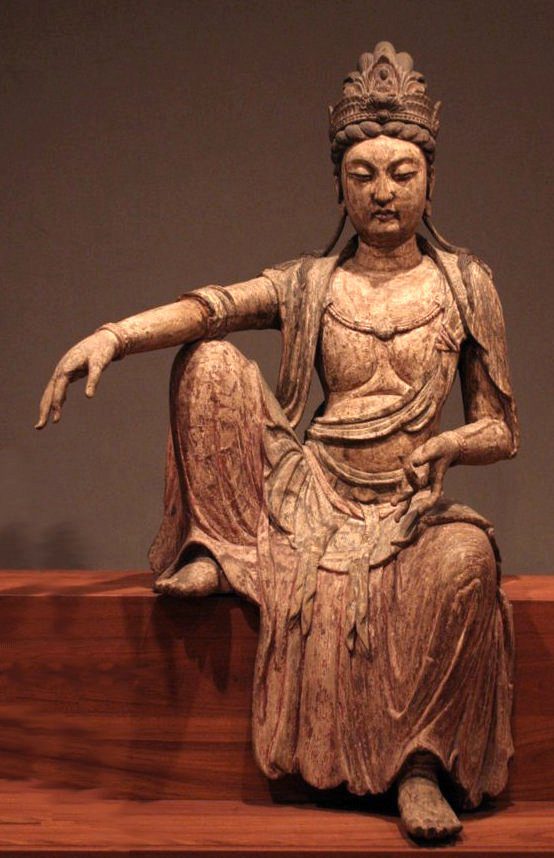
Guanyin, also known as Avalokiteshvara in Sanskrit, is one of the most revered figures in Buddhist mythology. She embodies the qualities of compassion and mercy, making her a beloved figure among Buddhists across Asia and beyond. Guanyin is often depicted as a female figure, although in some traditions she is portrayed as male. Her name means “the one who hears the cries of the world,” highlighting her role as a protector and savior for those in distress. In this article, we will explore the many aspects of Guanyin, her significance in various cultures, and the various forms she takes in Buddhist art and practice.
Origins of Guanyin
The origins of Guanyin can be traced back to ancient Indian texts, where Avalokiteshvara first appeared as a male bodhisattva. Over time, as Buddhism spread to China, Japan, and other parts of Asia, the figure of Avalokiteshvara transformed into Guanyin. This transformation was influenced by local beliefs and customs, particularly the strong cultural emphasis on feminine deities. As a result, Guanyin became a symbol of feminine compassion and nurturing, representing the qualities that many people sought in a protector.
 Mahakala
In the early texts, Avalokiteshvara was depicted as a male figure, often shown with multiple arms and eyes, symbolizing his ability to help many beings at once. However, as Buddhism spread to China during the Tang Dynasty, the bodhisattva began to be portrayed as female. This shift was significant, as it allowed people to connect more deeply with Guanyin as a motherly figure. This representation resonated with the cultural values of Chinese society, which held strong reverence for motherhood and the nurturing aspects of femininity.
Guanyin’s story is rich and complex, with various legends and teachings associated with her. One popular tale describes how she vowed to save all sentient beings from suffering. Upon hearing the cries of the world, she promised to help everyone in need, even if it meant sacrificing her own enlightenment. This selfless act embodies the core principle of bodhisattva ideals in Buddhism, where the pursuit of personal enlightenment is secondary to helping others.
Guanyin in Different Cultures
Guanyin’s influence extends beyond China, as she has been embraced by various cultures throughout Asia. In Japan, for instance, she is known as Kannon, and her depictions often reflect Japanese artistic styles and aesthetics. Kannon is similarly associated with compassion and is believed to have the ability to help those in distress. The Japanese version of Guanyin has also been integrated into Shinto beliefs, where she is sometimes revered alongside local deities.
 Gongen
In Vietnam, Guanyin is known as Quan Âm and is highly respected in both Buddhist and folk traditions. She is often depicted holding a willow branch, which symbolizes her ability to bring healing and comfort to those who suffer. The Vietnamese people also celebrate her with various festivals, where they honor her through prayers and offerings. The deep connection that the Vietnamese have with Guanyin highlights the adaptability of her image across different cultures, making her a universal symbol of compassion.
In Tibet, Guanyin is known as Chenrezig, and she is often depicted with multiple arms, each holding a different object symbolizing her various powers. Tibetan Buddhism places a strong emphasis on the practice of compassion, and Chenrezig is a central figure in this regard. His mantra, “Om Mani Padme Hum,” is widely chanted as a way to invoke compassion and alleviate suffering. This illustrates how Guanyin’s essence has been preserved and adapted to fit the spiritual needs of different communities.
Depictions of Guanyin in Art
Guanyin is one of the most popular figures in Buddhist art, and her representations vary widely across cultures and artistic styles. In Chinese art, she is often depicted as a serene and graceful figure, adorned with flowing robes and elaborate headdresses. Her images frequently include symbols of peace and tranquility, such as lotus flowers, which represent purity and enlightenment. The serene expressions on her face convey a deep sense of compassion, inviting viewers to seek solace in her presence.
 Gong De Tian
In contrast, Japanese depictions of Kannon often emphasize her dynamic and active nature. Many statues portray her in various poses, such as standing, seated, or even in motion, suggesting her readiness to assist those in need. The incorporation of different elements, such as the lotus or a child, highlights her nurturing qualities and her role as a protector. These variations reflect the cultural contexts in which these artworks were created, showcasing the adaptability of Guanyin’s image.
In addition to traditional sculptures and paintings, Guanyin has also been represented in contemporary art. Modern artists often explore her themes of compassion and mercy through various mediums, including installations, performance art, and digital art. This evolution of Guanyin’s image demonstrates her enduring relevance and the ongoing dialogue between ancient beliefs and contemporary society.
Guanyin in Practice and Rituals
Guanyin is not only a figure of reverence but also an integral part of Buddhist practice. Many Buddhists engage in rituals and prayers dedicated to her, seeking her guidance and assistance in their lives. One common practice is the recitation of her name, which is believed to invoke her compassion and protection. Chanting her name can be a form of meditation, helping practitioners to focus their minds and cultivate feelings of compassion for themselves and others.
In temples dedicated to Guanyin, practitioners often light incense and offer flowers or food as a sign of respect. These offerings symbolize the act of giving and the importance of generosity in Buddhist practice. Devotees may also engage in rituals such as bowing or prostrating before her image, expressing their devotion and gratitude for her presence in their lives. Such practices create a sense of community among practitioners, as they come together to honor Guanyin and support each other in their spiritual journeys.
In addition to individual practices, Guanyin plays a significant role in various festivals throughout the year. One such celebration is the Guanyin Festival, which honors her birthday and is marked by special prayers, ceremonies, and community gatherings. During this festival, devotees often share stories of her compassion and miracles, reinforcing her importance in their lives. These communal celebrations foster a sense of unity and shared purpose among practitioners, highlighting the social aspect of Buddhist practice.
Symbolism Associated with Guanyin
Guanyin is rich in symbolism, with various elements associated with her that convey deeper meanings. One of the most common symbols is the lotus flower, which represents purity and enlightenment. The lotus grows in muddy waters but rises above the surface to bloom beautifully, symbolizing the potential for spiritual awakening despite life’s challenges. Guanyin’s association with the lotus reinforces her role as a guide for those seeking enlightenment and liberation from suffering.
Another important symbol is the willow branch, which Guanyin is often depicted holding. The willow is known for its flexibility and resilience, reflecting the qualities of compassion and adaptability. This symbol serves as a reminder that, like the willow, we can bend without breaking in the face of adversity. The branch also represents healing, as Guanyin is often called upon for assistance in times of physical or emotional distress.
Additionally, Guanyin is sometimes depicted with a pearls or jewels, which symbolize spiritual treasures. These treasures represent the virtues and qualities that practitioners aspire to cultivate in their lives, such as wisdom, compassion, and loving-kindness. The presence of jewels in her imagery serves as a reminder that the pursuit of these virtues is a valuable journey that leads to greater fulfillment and understanding.
Guanyin’s Influence on Modern Spirituality
In recent years, Guanyin’s influence has extended beyond traditional Buddhist contexts, reaching into modern spirituality and wellness practices. Many people, regardless of their religious backgrounds, have embraced the principles of compassion and mindfulness that Guanyin embodies. Her teachings resonate with those seeking solace in a fast-paced and often chaotic world, providing a framework for cultivating inner peace and compassion for others.
Yoga and meditation practices often incorporate Guanyin’s qualities, encouraging practitioners to develop a deeper sense of compassion towards themselves and others. The act of visualizing Guanyin during meditation can serve as a powerful reminder of the importance of kindness and empathy in daily life. Many meditation centers and wellness retreats offer workshops focused on the themes of Guanyin, helping individuals connect with her essence and apply her teachings in their lives.
Furthermore, Guanyin’s image has become a popular symbol in contemporary art and fashion, often representing values of feminine strength and compassion. This modern reinterpretation of Guanyin allows individuals to engage with her legacy in new and meaningful ways, encouraging a dialogue between ancient wisdom and contemporary life. As society increasingly values compassion and empathy, Guanyin’s teachings remain relevant and inspiring.
Guanyin stands as a powerful symbol of compassion and mercy in Buddhist mythology. Her evolution from Avalokiteshvara to Guanyin showcases the adaptability of her image across cultures, reflecting the diverse ways in which people connect with her teachings. Through her various depictions in art, rituals, and modern spirituality, Guanyin continues to inspire countless individuals on their paths toward compassion and enlightenment. Her enduring legacy serves as a reminder of the profound impact that love and kindness can have on the world.