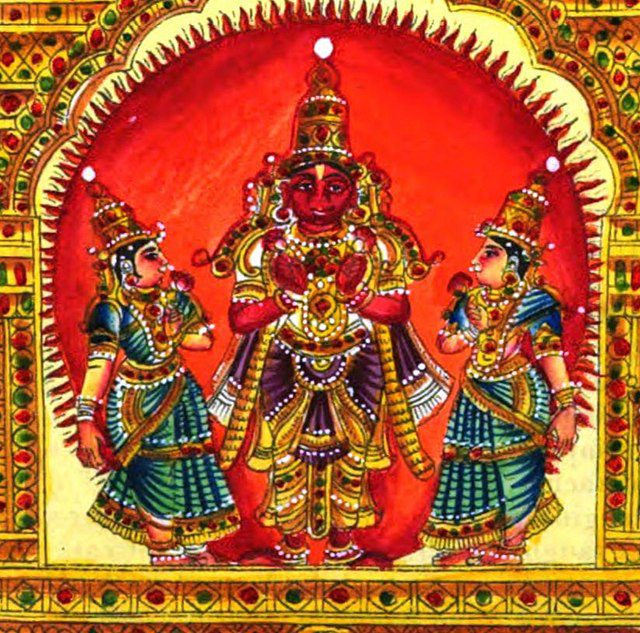
Saranyu, also known as Saranya or Sanjna, is a significant figure in Hindu mythology. She is often depicted as the daughter of the Sun God, Surya, and is known for her beauty and grace. Saranyu plays a vital role in various Hindu texts, particularly in the epic tales of the Ramayana and the Mahabharata. Her story is one of love, sacrifice, and the complexities of divine relationships. In the following sections, we will explore her lineage, her marriage to Vivasvan, her children, and the lessons her narrative imparts.
Lineage of Saranyu
Saranyu is the daughter of Visvakarma, the divine architect and craftsman of the gods. As the daughter of such a prominent figure, she is often associated with the themes of creation and beauty. Her lineage connects her to various deities and celestial beings, making her a significant character in Hindu cosmology. The relationship between Visvakarma and Saranyu highlights the importance of craftsmanship and creativity in the divine realm. Saranyu’s heritage places her within a network of powerful beings, each contributing to the rich tapestry of Hindu mythology.
 Saptarishis
Being the daughter of Visvakarma, Saranyu embodies the qualities of intelligence and creativity. She is often seen as a bridge between the mortal world and the divine, reflecting the intricate connections that exist within Hindu mythology. This connection to her father also signifies her role in the creation of the universe and the balance of nature. In many stories, Saranyu’s wisdom and insights guide the actions of other gods and mortals, emphasizing her importance in the cosmic order.
Marriage to Vivasvan
Saranyu’s marriage to Vivasvan, the Sun God, is a central aspect of her narrative. Their union is often portrayed as one of deep love and mutual respect. Vivasvan is known for his radiant energy and his role in maintaining the cycles of day and night. Together, they symbolize the balance between light and darkness, a fundamental theme in Hindu philosophy. Their marriage is not only a personal relationship but also a representation of the cosmic dance between various forces of nature.
The story of Saranyu and Vivasvan’s marriage is filled with lessons about love and duty. Despite their profound connection, Saranyu faces challenges in her relationship. Vivasvan’s intense heat and brightness become overwhelming for her, leading her to seek a solution. This aspect of their story illustrates the complexities of love, where even the strongest bonds can face trials. Saranyu’s decision to leave Vivasvan in search of peace highlights the importance of self-care and the need for balance in relationships.
 Samba
SambaChildren of Saranyu
Saranyu and Vivasvan have three children: Yama, the god of death; Yamuna, the river goddess; and Vaivasvata Manu, the progenitor of mankind. Each of their children plays a significant role in Hindu mythology, contributing to the moral and ethical frameworks of the narratives. Yama, for instance, is essential in maintaining the cycle of life and death, reminding mortals of their mortality. His role emphasizes the importance of dharma, or righteousness, in human existence.
Yamuna, on the other hand, represents the nurturing aspects of nature. As a river goddess, she embodies the life-giving properties of water, vital for agriculture and sustenance. The stories surrounding Yamuna often reflect themes of love and devotion, particularly in her relationship with Lord Krishna. Vaivasvata Manu is considered the first man and the ancestor of all humanity, symbolizing the beginning of human civilization. Through their children, Saranyu and Vivasvan contribute significantly to the moral and spiritual teachings in Hindu texts.
The Departure of Saranyu
One of the most poignant aspects of Saranyu’s story is her departure from Vivasvan. Overwhelmed by her husband’s brilliance, she decides to leave, taking the form of a mare to escape the intensity of the Sun. This transformation highlights the theme of sacrifice in her narrative. Saranyu’s choice to leave her divine husband reflects the struggles many face in relationships, especially when the balance of power is uneven. Her decision underscores the necessity of finding one’s own path and the importance of personal well-being.
 Shakti
Saranyu’s departure also has cosmic implications. By transforming into a mare, she becomes the mother of the Ashwini Kumaras, the twin gods associated with healing and medicine. This transformation signifies the duality of existence and the ability to adapt to challenging circumstances. Saranyu’s ability to navigate her trials showcases her strength and resilience, qualities that are revered in Hindu mythology. Her story serves as a reminder that even divine beings face struggles and that seeking peace is a noble endeavor.
The Ashwini Kumaras
The Ashwini Kumaras, the twin gods born from Saranyu, are revered for their healing abilities and their role as celestial physicians. They are often depicted as youthful, beautiful, and skilled in the arts of medicine and healing. Their birth is a significant event in Hindu mythology, symbolizing the importance of health and wellness in life. The Ashwini Kumaras are associated with the dawn and the rejuvenation of life, embodying the hope and renewal that comes with each new day.
The Ashwini Kumaras are also known for their adventurous spirit. They frequently engage in various exploits, often helping gods and mortals alike. Their narratives often include themes of compassion, service, and the importance of helping others. Through their actions, they exemplify the values of altruism and community service, which are central to Hindu philosophy. Their presence in the stories reinforces the idea that divine beings are not just powerful entities but also compassionate figures who work for the welfare of all.
Lessons from Saranyu’s Story
Saranyu’s narrative offers profound lessons that resonate with many aspects of human experience. One of the most significant teachings is the importance of self-identity and the courage to pursue personal well-being. Her decision to leave Vivasvan, although difficult, serves as a reminder that individuals must prioritize their own mental and emotional health. In relationships, it is essential to find a balance that allows both partners to thrive. This theme is particularly relevant in today’s fast-paced world, where individuals often feel overwhelmed by their responsibilities.
Additionally, Saranyu’s story emphasizes the value of adaptability and transformation. Her ability to change form and navigate the challenges she faces illustrates the importance of resilience in the face of adversity. Life often presents us with obstacles, and how we respond to them can shape our journeys. Saranyu’s narrative encourages individuals to embrace change and seek new paths when necessary, highlighting that growth often comes from stepping outside of one’s comfort zone.
Symbolism in Saranyu’s Story
Saranyu’s story is rich with symbolism that enhances its meaning. The Sun, represented by Vivasvan, symbolizes knowledge and enlightenment. Saranyu’s relationship with the Sun God reflects the interplay between light and darkness, knowledge and ignorance. Her departure can be seen as a quest for enlightenment, suggesting that true wisdom often requires stepping away from familiar situations. This duality serves as a reminder that life is not merely about the pursuit of happiness but also about the journey toward self-discovery.
Furthermore, the transformation of Saranyu into a mare symbolizes the concept of freedom and the desire to break free from constraints. The mare is often associated with grace and strength, representing the qualities that Saranyu embodies in her journey. This transformation also connects her to the themes of motherhood and nurturing, as she becomes the mother of the Ashwini Kumaras. The symbolism in her story highlights the multifaceted nature of existence, where different aspects of life intertwine to create a holistic experience.
Conclusion of Saranyu’s Legacy
The legacy of Saranyu continues to resonate in various aspects of Hindu culture and spirituality. Her story is celebrated in art, literature, and rituals, reflecting her significance in the pantheon of Hindu deities. Saranyu embodies the values of resilience, self-care, and the pursuit of balance in life. Her narrative serves as a source of inspiration for many, encouraging individuals to navigate their own journeys with grace and courage. Through her story, Saranyu reminds us that even in the face of challenges, one can find strength and purpose.
As we explore the depths of Hindu mythology, the figure of Saranyu stands out as a beacon of wisdom and strength. Her life and experiences offer timeless lessons that transcend cultural boundaries, inviting individuals to reflect on their own lives. In a world where the complexities of relationships and personal challenges are prevalent, Saranyu’s story remains relevant, reminding us of the importance of love, sacrifice, and the quest for self-understanding.