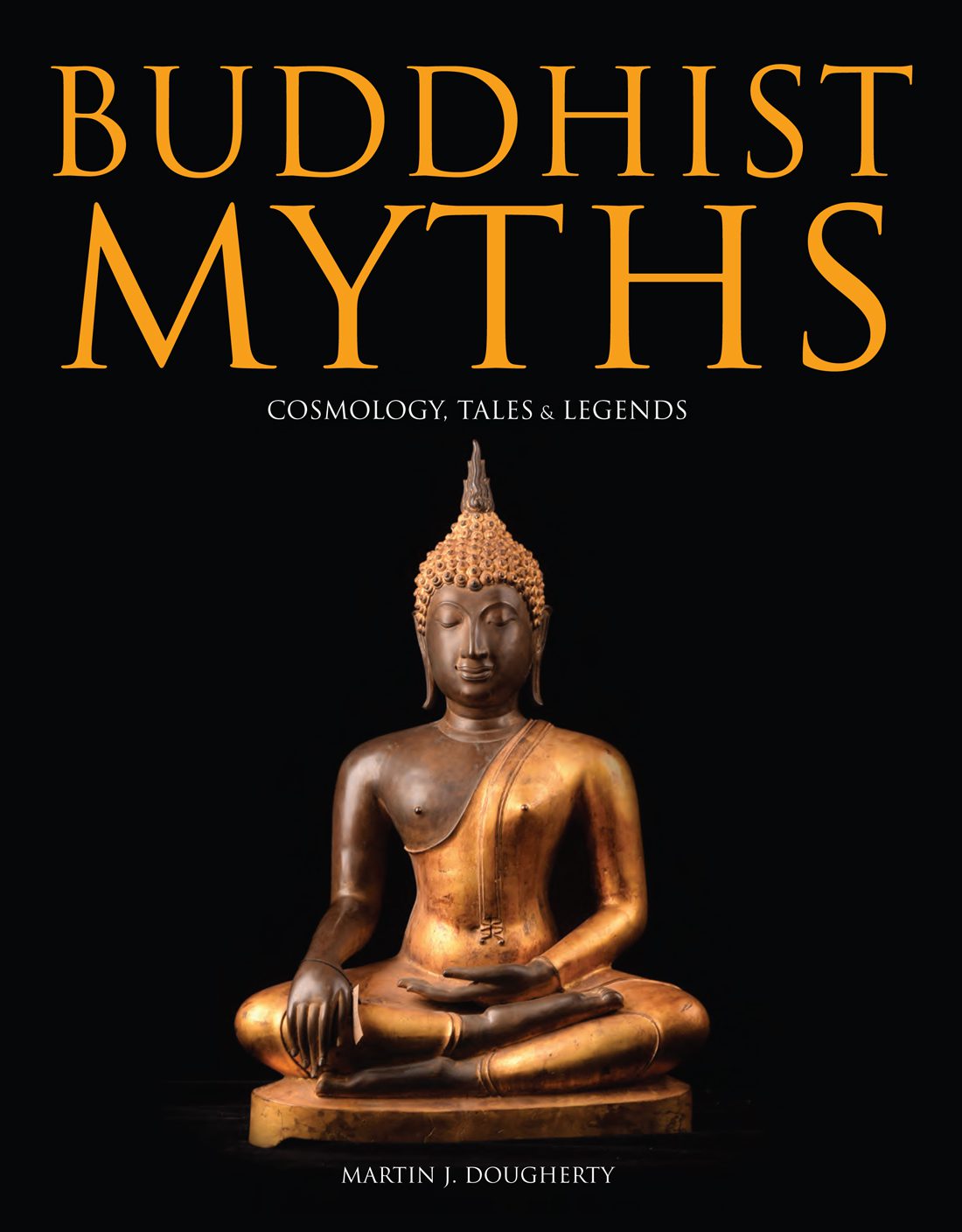
In the rich tapestry of Buddhist mythology, the figure of Ju-o stands out as a significant character. Ju-o, often referred to as the “King of the World,” embodies various attributes that resonate with the core teachings of Buddhism. This article delves into the multifaceted nature of Ju-o, exploring his origins, symbolism, and the lessons that can be derived from his story. By examining Ju-o through different lenses, we can gain a deeper understanding of his role in Buddhist traditions and the broader context of Buddhist mythology.
Origins of Ju-o
The origins of Ju-o are deeply rooted in the ancient narratives of Buddhism. He is often depicted in texts that illustrate the interplay between the mortal realm and the spiritual. According to various sources, Ju-o was not born in a conventional sense but rather emerged from the collective consciousness of beings striving for enlightenment. This unique origin story highlights the idea that Ju-o represents the aspirations of many towards achieving a higher state of being.
 Miyolangsangma
In some interpretations, Ju-o is linked to historical figures who exemplified wisdom and compassion. He is often compared to the Buddha himself, as both embody the principles of enlightenment and the quest for inner peace. Ju-o’s character is sometimes viewed as a personification of the challenges one faces on the path to spiritual awakening. His journey reflects the trials and tribulations that practitioners must navigate in their pursuit of Nirvana.
Symbolism of Ju-o
Ju-o is rich in symbolism, representing various aspects of the Buddhist journey. One of the most significant symbols associated with him is the lotus flower. The lotus is a powerful emblem in Buddhism, symbolizing purity and spiritual awakening. Just as the lotus rises from muddy waters to bloom beautifully, Ju-o represents the potential for individuals to transcend their circumstances and achieve enlightenment despite life’s challenges.
Additionally, Ju-o is often depicted with certain attributes that further enhance his symbolic significance. For example, he may be shown holding a scepter or a staff, representing authority and the ability to guide others on their spiritual journeys. These symbols reinforce the idea that Ju-o is not just a king in a literal sense but a spiritual leader who offers wisdom and guidance to those seeking a deeper understanding of life.
 Jowo Rinpoche
Ju-o in Buddhist Texts
Buddhist texts provide valuable insights into the character of Ju-o and his role within the broader narrative of Buddhism. Various scriptures, such as the Pali Canon and Mahayana texts, contain references to Ju-o and his teachings. These writings emphasize the importance of compassion, mindfulness, and the pursuit of enlightenment, all of which are central themes in Ju-o’s story.
One notable text that discusses Ju-o is the Lotus Sutra, where he is depicted as a protector of the teachings of the Buddha. In this context, Ju-o serves as a guardian who ensures that the wisdom of the Buddha is preserved and passed on to future generations. His role as a protector highlights the interconnectedness of all beings and the shared responsibility to uphold the values of compassion and understanding.
The Journey of Ju-o
The journey of Ju-o is a metaphor for the spiritual path that many individuals embark upon. His story is filled with challenges and obstacles, reflecting the struggles that practitioners face in their pursuit of enlightenment. Ju-o encounters various adversaries and temptations along the way, symbolizing the distractions and delusions that can hinder one’s progress.
 Jizo
Jizo- Temptation: Ju-o faces temptations that lure him away from his spiritual goals.
- Conflict: He encounters conflicts with other beings who challenge his wisdom.
- Growth: Each challenge serves as an opportunity for growth and self-discovery.
Through perseverance and dedication, Ju-o ultimately overcomes these challenges, illustrating the importance of resilience on the spiritual journey. His experiences serve as a reminder that the path to enlightenment is not linear but rather a winding road filled with lessons and opportunities for growth.
Ju-o and Compassion
At the heart of Ju-o’s character lies the principle of compassion. His actions and decisions are often motivated by a deep sense of empathy for all beings. Ju-o embodies the idea that true enlightenment is not solely an individual pursuit but also involves caring for others and alleviating their suffering. This aspect of his character resonates with the Buddhist teaching of Metta, or loving-kindness, which encourages practitioners to cultivate compassion towards all living beings.
Ju-o’s compassion is evident in his interactions with others. He is often depicted as a figure who listens to the struggles of those around him and offers guidance and support. This portrayal serves as a model for practitioners, encouraging them to embody compassion in their own lives. By following Ju-o’s example, individuals can contribute to a more harmonious and understanding world.
Lessons from Ju-o
The story of Ju-o is filled with valuable lessons that can be applied to everyday life. One of the most prominent lessons is the importance of mindfulness. Ju-o’s journey teaches us to remain present and aware of our thoughts and actions, as this awareness is crucial for personal growth and spiritual development. Mindfulness allows us to navigate life’s challenges with clarity and purpose, much like Ju-o did on his path.
Another important lesson from Ju-o’s story is the value of resilience. Ju-o faced numerous obstacles, but his determination to overcome them is a powerful reminder that setbacks are a natural part of the journey. Embracing resilience enables individuals to persevere through difficulties and emerge stronger, ultimately leading to personal transformation.
Ju-o in Modern Buddhism
In contemporary Buddhist practice, Ju-o continues to hold relevance. Many practitioners draw inspiration from his story and incorporate the principles he embodies into their daily lives. Ju-o serves as a symbol of hope and guidance, reminding individuals of their potential to overcome challenges and cultivate compassion.
Modern interpretations of Ju-o often emphasize the importance of community and interconnectedness. In today’s fast-paced world, the lessons of Ju-o encourage individuals to engage with their communities and support one another in their spiritual journeys. This sense of collective growth aligns with the core Buddhist belief that we are all interconnected and that our actions can significantly impact the lives of others.
In exploring the character of Ju-o, we uncover a wealth of insights that enrich our understanding of Buddhist mythology. His origins, symbolism, and the lessons derived from his story serve as a guide for practitioners seeking to navigate their spiritual paths. By embodying the qualities of compassion, mindfulness, and resilience, individuals can draw strength from Ju-o’s journey and apply these principles to their own lives. Ultimately, Ju-o stands as a testament to the enduring power of Buddhism and the universal quest for enlightenment.