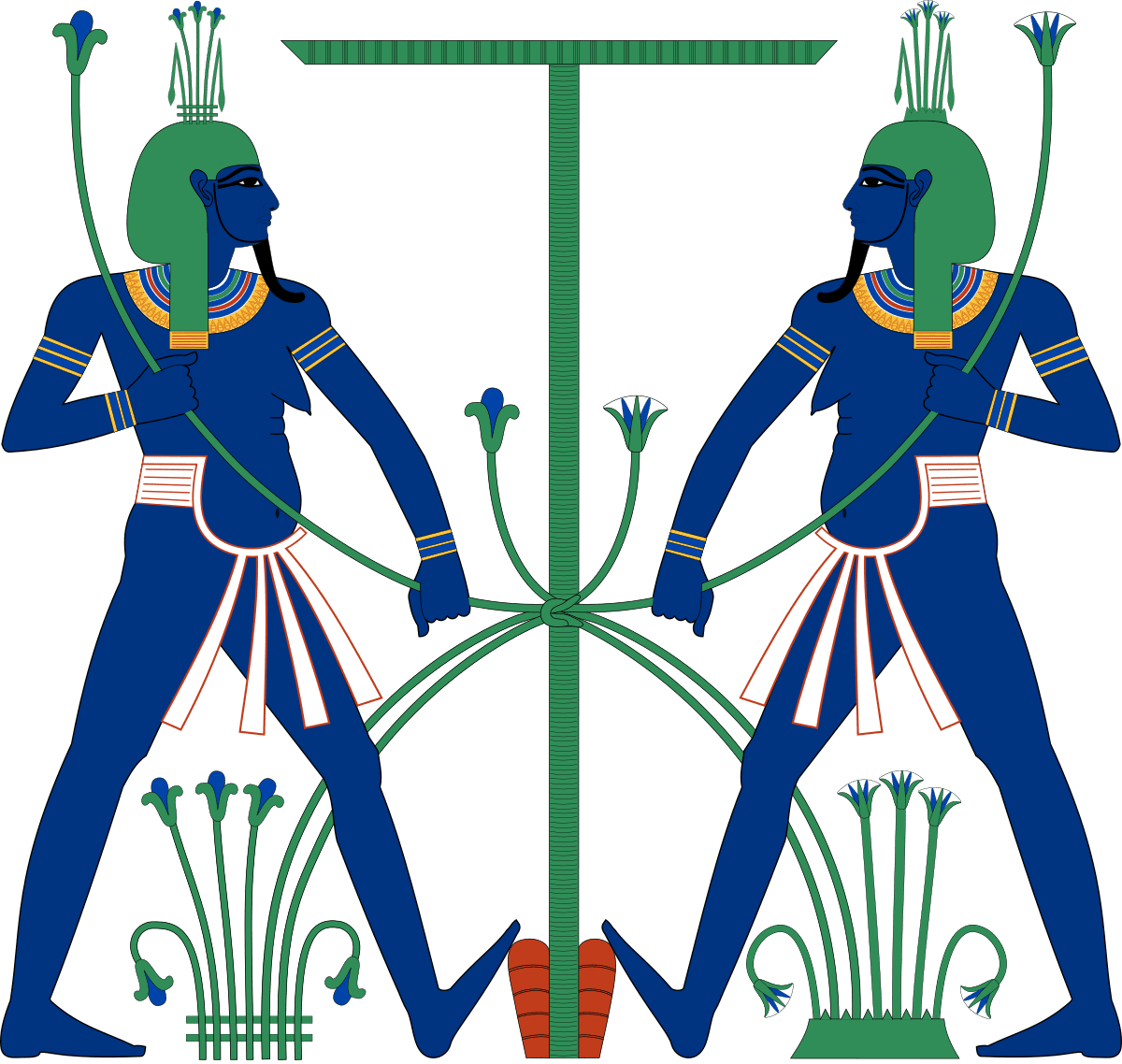
In ancient Egyptian mythology, Hapy is one of the most important deities associated with the Nile River. He represents the annual flooding of the Nile, which was essential for agriculture in Egypt. The floods brought nutrient-rich silt that allowed crops to flourish, making Hapy a symbol of abundance and fertility. His presence was vital for the survival of the Egyptian people, and as such, he was revered and honored in various ways. Hapy is often depicted as a large man with a potbelly, showing signs of prosperity, and sometimes adorned with blue or green skin, symbolizing the fertility of the Nile. This portrayal highlights his connection to the life-giving waters that sustained the land.
The Importance of the Nile in Egyptian Culture
The Nile River was the lifeblood of ancient Egypt. Its annual flooding provided the essential resources needed for farming and sustenance. The Egyptians relied heavily on the river for drinking water, irrigation, and transportation. This reliance created a deep spiritual connection to the Nile, and deities like Hapy emerged as representations of its power and generosity. The floods would typically occur between June and September, and the Egyptians celebrated this period with various festivals, paying homage to Hapy for his role in the life cycle of their crops.
 Hapy
HapyDuring the flooding season, the land would be submerged under water, which would eventually recede, leaving behind rich soil that was perfect for planting. This cycle of flooding and receding was closely monitored by the Egyptians, who developed a calendar based on the Nile’s behavior. Hapy was celebrated for his role in this cycle, and his image was often invoked during planting and harvest times. The abundance that followed the floods was seen as a direct blessing from Hapy, reinforcing the belief that he was essential for prosperity.
Depictions of Hapy
Hapy is often depicted in ancient Egyptian art in various forms. His most common representation is that of a stout man, typically shown with a large belly, which symbolizes fertility and abundance. He is sometimes portrayed with the traditional symbols of agriculture, such as grain and plants, emphasizing his role as a giver of life. Additionally, Hapy is often shown with a long beard and wearing a crown made of papyrus and lotus flowers, which are significant to the Nile ecosystem.
In many artistic representations, Hapy is also depicted holding two large vases or jars from which water flows, signifying the life-giving nature of the Nile. These vases are usually blue or green, representing the water and fertility of the river. His imagery can be found in temples, tombs, and other significant places throughout ancient Egypt, serving as a reminder of his importance in the daily lives of the Egyptians. The artistic depictions of Hapy not only illustrate his physical characteristics but also reflect the deep respect and reverence the Egyptians had for this deity.
 Heh
HehHapy’s Role in Festivals
Hapy was a central figure during several festivals in ancient Egypt, particularly those that celebrated the annual flooding of the Nile. These festivals were not just agricultural in nature; they also had religious significance. The Egyptians believed that by honoring Hapy, they were ensuring a successful harvest and abundance for the coming year. One of the most notable festivals was the Wepet Renpet, which marked the start of the new year and the flooding season.
During the Wepet Renpet festival, people would participate in various rituals and offerings to Hapy. These included presenting food, flowers, and incense at altars dedicated to him. The atmosphere was filled with joy and celebration, as communities came together to pray for a bountiful harvest. Songs and dances were performed in his honor, further emphasizing the importance of Hapy in the cultural and spiritual life of the Egyptians. The festivals served as a reminder of the cyclical nature of life and the reliance on the Nile for sustenance.
 Ha
HaHapy in Literature and Texts
Hapy is mentioned in several ancient Egyptian texts and inscriptions, illustrating his significance in the religious and cultural landscape of Egypt. These texts often highlight his connection to the Nile and the fertility it brings. In the Pyramid Texts, which are some of the oldest religious writings in the world, Hapy is invoked as a protector of the dead, ensuring they have access to the sustenance they need in the afterlife. This dual role as a deity of life and death further emphasizes his importance in the Egyptian belief system.
Additionally, hymns and prayers dedicated to Hapy have been discovered, expressing gratitude for the blessings of the Nile. These texts often describe the joy and abundance that the floods bring, portraying Hapy as a generous and benevolent god. The reverence shown in these writings illustrates the deep connection between the Egyptians and their environment, as well as their understanding of the cycles of life dictated by the Nile.
The Symbolism of Hapy
Hapy symbolizes more than just the floods of the Nile; he embodies the essence of life, fertility, and abundance. His representation as a robust figure with flowing water emphasizes the vital role that the Nile played in the agricultural practices of ancient Egypt. The Egyptians viewed Hapy as a nurturing force, one that provided for their needs and ensured their survival. This symbolism is reflected in various aspects of their culture, from art to rituals and even architecture.
Moreover, Hapy’s significance extends beyond agriculture. He is also seen as a guardian of the deceased, providing sustenance in the afterlife. This duality of his character as both a life-giver and a protector underscores the interconnectedness of life and death in Egyptian mythology. The Egyptians believed that honoring Hapy would lead to a prosperous life on Earth and a safe passage into the afterlife, reinforcing the importance of rituals and offerings dedicated to him.
Hapy and Other Deities
In the vast pantheon of Egyptian gods, Hapy is often associated with other deities that share similar attributes. For instance, he is sometimes linked with Osiris, the god of the afterlife, and Isis, the goddess of fertility and motherhood. These associations highlight the interconnected nature of the Egyptian belief system, where gods and goddesses often had overlapping domains and responsibilities. Hapy’s role in ensuring fertility through the Nile floods complements the life-giving aspects of Osiris and Isis.
Additionally, Hapy is sometimes depicted alongside other river deities, such as Khnum, who is associated with the creation and the Nile’s water sources. This interconnectedness among deities illustrates how the ancient Egyptians understood the natural world and its divine influences. By recognizing Hapy’s relationships with other gods, we can better appreciate the complexity of Egyptian mythology and the cultural significance of the Nile in their lives.
Archaeological Discoveries Related to Hapy
Archaeological findings have provided valuable insights into the worship of Hapy and the significance of the Nile in ancient Egyptian society. Temples dedicated to Hapy have been uncovered, showcasing elaborate altars and offerings made in his honor. These sites often feature inscriptions that describe the rituals performed and the importance of the floods for agriculture. Such discoveries help us understand how the Egyptians viewed their environment and the deities they believed influenced it.
Furthermore, artifacts related to Hapy, such as amulets and statuettes, have been found in burial sites. These items were likely intended to provide protection and blessings in the afterlife, emphasizing Hapy’s role as a guardian of sustenance. The presence of Hapy-related artifacts in tombs indicates the deep-rooted belief in his power and the importance of ensuring his favor for both the living and the deceased.
Modern Interpretations of Hapy
In contemporary times, the figure of Hapy continues to capture the imagination of people interested in ancient Egyptian mythology. Scholars and enthusiasts study his role in the cultural and religious practices of the time, drawing parallels between Hapy and modern concepts of nature and fertility. His association with the Nile serves as a reminder of the importance of water resources in sustaining life, a topic that resonates in today’s discussions about environmental conservation and sustainability.
Moreover, Hapy has become a symbol in various forms of art and literature, representing the interconnectedness of nature and human life. Artists often draw inspiration from his imagery, using it to explore themes of abundance, growth, and the cyclical nature of life. This modern reinterpretation of Hapy allows us to appreciate the enduring legacy of ancient Egyptian mythology and its relevance in today’s world.
The legacy of Hapy, as a significant deity in Egyptian mythology, illustrates the profound connection between the ancient Egyptians and the Nile River. His role as a giver of life and sustenance underscores the importance of nature in their culture and belief system. From his depictions in art to the rituals performed in his honor, Hapy remains a vital symbol of fertility and abundance, continuing to inspire interest and admiration in modern times.