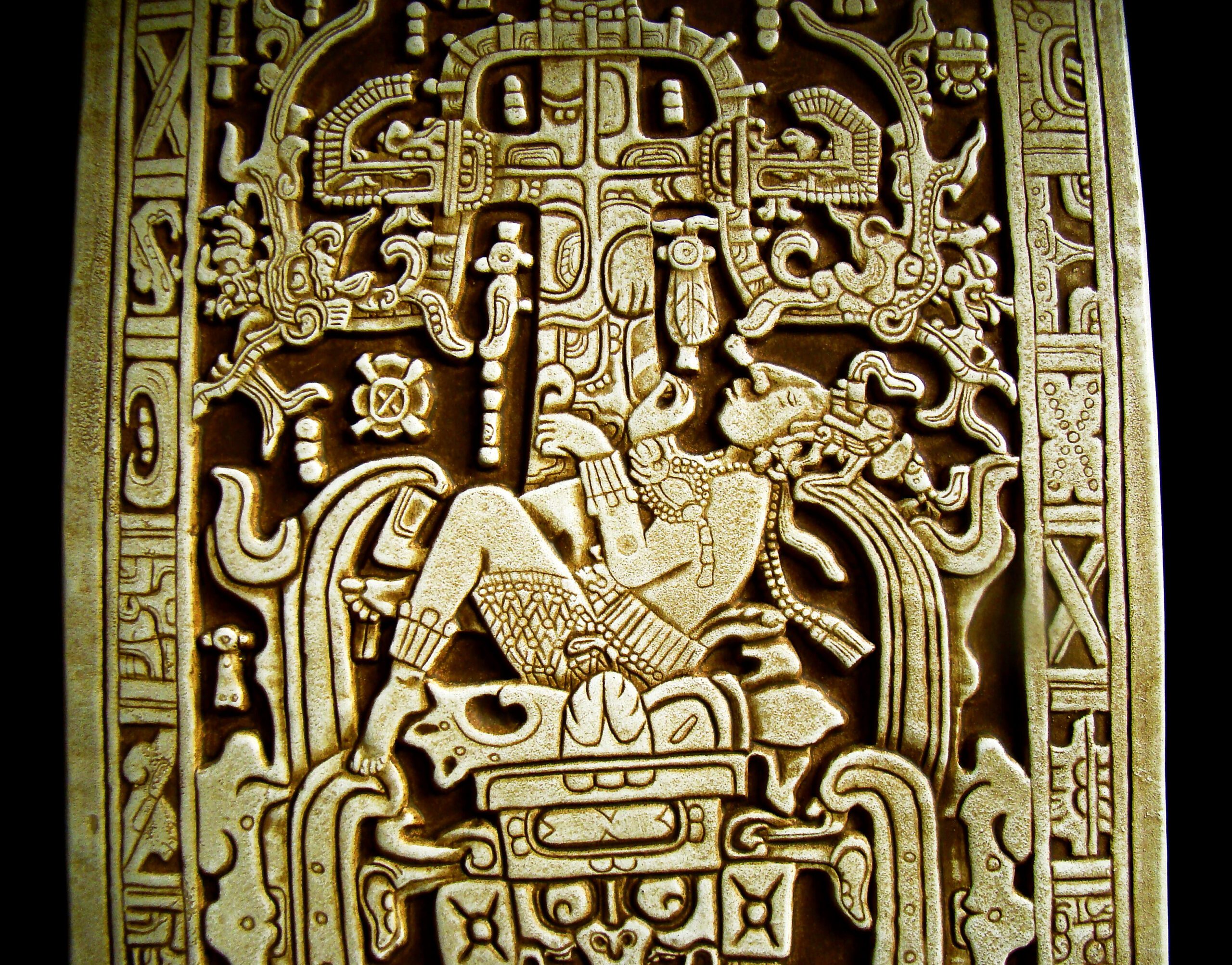
Zac Cimi is a significant figure in Maya mythology, representing death and the afterlife. He is often depicted as a skeletal figure, which emphasizes his association with mortality. In the rich tapestry of Maya beliefs, Zac Cimi embodies both fear and respect, illustrating the complex relationship the Maya had with death. The Maya civilization held a profound understanding of life cycles, and Zac Cimi plays a crucial role in their spiritual narratives. His character serves as a reminder of the inevitability of death, while also providing insight into the rituals and practices surrounding it.
The Role of Zac Cimi in Maya Cosmology
In the Maya cosmology, Zac Cimi is often seen as a guide for souls transitioning to the afterlife. He is not merely a harbinger of death but also a facilitator of the journey that follows. The Maya believed in a complex afterlife, where the souls of the deceased would navigate various realms. Zac Cimi’s presence in this journey symbolizes the importance of understanding and accepting death as a natural part of existence. His role is pivotal, as he helps ensure that the souls reach their final destination safely.
 Itzam Cab
Moreover, Zac Cimi is associated with the underworld, a realm that the Maya referred to as Xibalba. This underworld is not just a place of darkness and despair; it is also a realm of transformation and renewal. Zac Cimi’s guidance through Xibalba reflects the belief that death is not an end, but a transition to another phase of existence. The Maya saw this as an essential aspect of their spiritual beliefs, where life and death are interwoven in a continuous cycle.
Symbolism of Zac Cimi
- Death and Mortality: Zac Cimi embodies the concept of death, reminding the Maya of their mortality.
- Transformation: He represents the transformative nature of death, leading souls to new beginnings.
- Fear and Respect: The duality of his character evokes both fear and reverence among the Maya.
The symbolism of Zac Cimi extends beyond mere representation. He is often depicted with specific attributes that highlight his role. For instance, the skeletal figure signifies the physical aspect of death, while other elements, such as skulls and bones, reinforce his association with mortality. These symbols serve as powerful reminders of the fragility of life and the inevitability of death.
Additionally, Zac Cimi’s connection to the earth and the underworld symbolizes the cyclical nature of life. The Maya believed that after death, the body would return to the earth, nourishing the soil and allowing new life to emerge. This cycle of life, death, and rebirth is a fundamental aspect of Maya spirituality, and Zac Cimi embodies this eternal flow.
 Hunab Ku
Rituals and Practices Involving Zac Cimi
The Maya engaged in various rituals to honor Zac Cimi and to seek his guidance for the deceased. These rituals were deeply ingrained in their cultural practices and were often performed by priests or spiritual leaders. One of the most significant rituals involved offerings to Zac Cimi, which were believed to appease him and ensure a safe passage for the souls of the departed. These offerings could include food, incense, and other items deemed valuable in the afterlife.
Another important practice was the Day of the Dead, a time when families would honor their deceased relatives. During this time, the Maya would create altars adorned with photographs, favorite foods, and other personal items of the departed. Zac Cimi’s presence was felt during these gatherings, as families sought his blessing and protection for the souls of their loved ones. This celebration reflects the Maya belief in the interconnectedness of life and death, emphasizing that the spirits of the deceased remain with the living.
 Hun-ixim
Key Rituals Associated with Zac Cimi
- Offerings: Rituals often included offerings of food and incense to honor Zac Cimi.
- Day of the Dead: A significant celebration where families remember and honor their deceased.
- Burial Practices: Specific burial customs were designed to ensure a safe passage for the deceased.
Burial practices in Maya culture were also influenced by Zac Cimi. The way a body was prepared for burial often reflected the family’s beliefs about the afterlife and their desire to appease Zac Cimi. Bodies were typically buried with personal belongings, which were thought to be useful in the afterlife. These customs demonstrate the deep respect the Maya had for Zac Cimi and their understanding of the afterlife journey.
Zac Cimi in Maya Art and Literature
Zac Cimi’s influence extends into Maya art and literature, where he is often depicted in various forms. Artworks from ancient Maya sites frequently showcase scenes involving death and the afterlife, with Zac Cimi playing a central role. These depictions often illustrate the rituals associated with death, providing insight into the Maya’s beliefs and practices. For instance, pottery and murals may feature Zac Cimi surrounded by symbols of death, such as skulls or the underworld.
In addition to visual art, Zac Cimi is also mentioned in Maya texts, including codices and inscriptions. These writings often describe his role in guiding souls through the afterlife and the importance of rituals dedicated to him. The texts reveal the intricate beliefs surrounding death and the afterlife, showcasing the Maya’s deep reverence for Zac Cimi. Through these artistic and literary representations, we gain a better understanding of how the Maya viewed death and the role of Zac Cimi in their spiritual world.
Artistic Representations of Zac Cimi
- Murals: Murals often depict scenes of the afterlife with Zac Cimi as a central figure.
- Pottery: Ceramics may illustrate rituals involving Zac Cimi and the deceased.
- Codices: Ancient texts provide insights into his role and significance in Maya culture.
The artistic representations of Zac Cimi serve as valuable historical documents, allowing us to glimpse the beliefs and practices of the ancient Maya. These artworks are not just decorative; they carry profound meanings that reflect the society’s understanding of death and the afterlife. Through these visual narratives, Zac Cimi emerges as a powerful symbol of mortality, transformation, and the ongoing connection between the living and the dead.
Comparative Analysis: Zac Cimi and Other Death Deities
When examining Zac Cimi, it is essential to consider how he compares to other death deities in different cultures. Many civilizations have their own representations of death, each with unique characteristics and roles. For instance, in Egyptian mythology, the god Osiris is a prominent figure associated with the afterlife, overseeing the judgment of souls. Like Zac Cimi, Osiris embodies the duality of death and rebirth, highlighting the universal theme of mortality.
In contrast, figures like Hades in Greek mythology represent a more distant and less interactive form of death. Hades rules the underworld but does not guide souls as Zac Cimi does. This comparison illustrates the varied ways cultures perceive death and the afterlife. While some deities are feared, others are revered, reflecting the complex emotions surrounding mortality.
Key Comparisons
- Zac Cimi vs. Osiris: Both are associated with guiding souls, but Osiris has a more pronounced role in judgment.
- Zac Cimi vs. Hades: Zac Cimi is more interactive, guiding souls, while Hades rules passively.
- Cultural Perceptions: Different cultures reflect diverse attitudes toward death and the afterlife.
These comparisons reveal that while Zac Cimi shares similarities with other death deities, he also possesses unique attributes that resonate deeply within Maya culture. His active role in guiding souls and the rituals surrounding him highlight the Maya’s intimate relationship with death, contrasting with other cultures that may view death as a more isolated or fearsome experience.
Modern Interpretations of Zac Cimi
In contemporary times, Zac Cimi continues to hold significance in Maya communities and among those interested in indigenous cultures. His story and symbolism have been embraced in various forms, including art, literature, and even spiritual practices. Many Maya descendants still honor Zac Cimi during traditional ceremonies, ensuring that the ancient beliefs surrounding death and the afterlife remain alive in modern society.
Additionally, Zac Cimi has gained recognition in popular culture, often appearing in literature and art that explore themes of death and spirituality. This resurgence of interest reflects a broader trend of seeking connections to ancient wisdom and understanding the significance of death in our lives. Zac Cimi serves as a powerful reminder of the cultural heritage of the Maya and the importance of honoring those who have passed on.
Modern Practices and Interpretations
- Cultural Festivals: Modern celebrations often incorporate elements honoring Zac Cimi.
- Artistic Representations: Contemporary artists draw inspiration from Zac Cimi in their works.
- Spiritual Practices: Some spiritual movements incorporate the teachings associated with Zac Cimi.
The enduring legacy of Zac Cimi showcases the resilience of Maya mythology and its ability to adapt and thrive in modern contexts. By continuing to honor Zac Cimi, communities keep alive the teachings and beliefs that have shaped their cultural identity for centuries. This connection to the past not only enriches their understanding of life and death but also fosters a sense of community and shared heritage.
The Legacy of Zac Cimi in Maya Culture
The legacy of Zac Cimi is profound and multifaceted, influencing various aspects of Maya culture. From ancient rituals to modern practices, his presence is felt throughout the history of the Maya people. The way they perceive death, the afterlife, and the rituals surrounding these concepts are deeply intertwined with the teachings of Zac Cimi. His role as a guide for souls underscores the importance of respecting and honoring those who have passed away.
Moreover, Zac Cimi’s influence extends beyond spiritual beliefs. He has become a symbol of resilience and continuity for the Maya people, representing their enduring connection to their cultural heritage. As communities continue to celebrate and honor Zac Cimi, they reinforce their identity and ensure that the teachings of their ancestors are passed down to future generations. This legacy is vital for maintaining the richness of Maya culture in an ever-changing world.
Key Aspects of Zac Cimi’s Legacy
- Spiritual Beliefs: Zac Cimi continues to shape the Maya understanding of death and the afterlife.
- Cultural Identity: His teachings reinforce the cultural identity of Maya communities.
- Continuity: The ongoing rituals and celebrations ensure the continuity of ancient practices.
The legacy of Zac Cimi serves as a testament to the resilience of the Maya people and their ability to adapt while remaining rooted in their traditions. As they navigate the complexities of modern life, the teachings and symbolism associated with Zac Cimi provide guidance and strength. Through rituals, celebrations, and artistic expressions, the Maya continue to honor their ancestors and the eternal cycle of life and death that Zac Cimi represents.