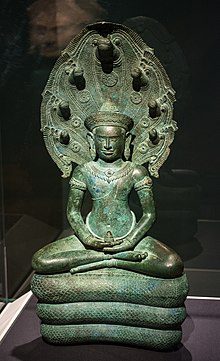
Mucalinda is a significant figure in Buddhist mythology known for its connection to the life of the Buddha. This mythical being is often depicted as a large serpent or naga, and it plays a vital role in the story of Siddhartha Gautama’s enlightenment. The Mucalinda legend provides deep insights into the themes of protection, nature, and the profound experiences surrounding the Buddha’s quest for truth. The presence of Mucalinda in Buddhist texts highlights the importance of harmony between humans and nature, as well as the spiritual guardians that assist in the journey towards enlightenment.
The Origin of Mucalinda
The origin of Mucalinda is deeply rooted in ancient Indian mythology. According to various texts, Mucalinda was born from the union of the earth and the heavens, embodying both the physical and spiritual realms. This mythical creature is often depicted as a multi-headed serpent, representing its power and wisdom. The name Mucalinda itself translates to “one who is the protector of the Buddha,” emphasizing its role as a guardian during critical moments in the Buddha’s life. This protective aspect is a recurring theme in many cultures, where serpents are often seen as symbols of strength and guardianship.
 Monju Bosatsu
In Buddhist iconography, Mucalinda is typically illustrated coiling around the meditating Buddha, providing shelter and protection from the elements. This imagery conveys a sense of safety and divine intervention, suggesting that the spiritual journey is supported by higher powers. The significance of Mucalinda goes beyond mere representation; it serves as a reminder of the interconnectedness of all beings and the importance of nurturing the environment in which spiritual growth occurs. This connection to nature is vital in understanding the broader implications of the Mucalinda story.
The Encounter with the Buddha
One of the most important aspects of the Mucalinda narrative is its direct connection to the enlightenment of the Buddha. After Siddhartha Gautama achieved enlightenment under the Bodhi tree, he spent several days in deep meditation. During this time, a fierce storm arose, bringing heavy rain and strong winds. It was at this moment that Mucalinda emerged from the earth, sensing the Buddha’s vulnerability. The serpent coiled around him, raising its hood to form a protective umbrella, shielding the Buddha from the harsh elements.
This encounter symbolizes the idea that when one embarks on a spiritual journey, the universe responds in kind. Mucalinda’s protective gesture illustrates the notion that divine forces are at work, guiding and safeguarding those who seek truth and enlightenment. It serves as a powerful reminder of the support that exists in the spiritual realm, reinforcing the belief that one is never truly alone on their path. The story of Mucalinda and the Buddha encourages individuals to remain steadfast in their pursuit of knowledge and understanding, even in the face of adversity.
 Miroku
The Symbolism of Mucalinda
Mucalinda is rich in symbolism, representing various aspects of Buddhist philosophy. The serpent is often seen as a symbol of transformation and renewal, which aligns with the themes of enlightenment and spiritual awakening. In many cultures, serpents are associated with wisdom, healing, and protection. Mucalinda embodies these qualities, serving as a reminder of the transformative power of meditation and self-discovery. The act of coiling around the Buddha signifies the protective embrace of nature, emphasizing the importance of being grounded and connected to the earth during spiritual practices.
Furthermore, the multi-headed nature of Mucalinda can be interpreted as a representation of the multifaceted aspects of life and consciousness. Each head may symbolize different qualities, such as compassion, wisdom, and strength, which are essential for personal growth and enlightenment. This complexity encourages practitioners to embrace all aspects of their being, acknowledging both strengths and weaknesses. Mucalinda’s role in the Buddha’s life serves as a reminder that the journey to enlightenment is not a solitary path but one that involves the support and guidance of various forces, both seen and unseen.
 Milo Fo
Mucalinda in Buddhist Art
Mucalinda has been a popular subject in Buddhist art for centuries, inspiring countless sculptures, paintings, and carvings. Artists have depicted the moment of the Buddha’s enlightenment, capturing the essence of Mucalinda’s protective embrace. These artworks often highlight the intricate details of the serpent’s scales and the serene expression on the Buddha’s face, conveying a sense of tranquility and divine intervention. The visual representation of this story serves to inspire practitioners and remind them of the power of faith and protection in their spiritual journeys.
In many temples across Asia, Mucalinda can be found in various forms, from stone carvings to elaborate murals. These depictions not only serve as a visual representation of the story but also act as a focal point for meditation and reflection. The presence of Mucalinda in sacred spaces reinforces the idea that nature and spirituality are intertwined, encouraging visitors to connect with both the physical and spiritual realms. This artistic expression of Mucalinda continues to resonate with people, serving as a source of inspiration and a reminder of the protective forces that accompany the path to enlightenment.
The Influence of Mucalinda on Buddhist Practices
The story of Mucalinda has had a lasting influence on various Buddhist practices and rituals. Many practitioners incorporate the symbolism of Mucalinda into their meditation practices, visualizing the serpent’s protective embrace as they seek to deepen their connection with the divine. This visualization serves as a powerful tool for cultivating a sense of safety and support during meditation, allowing individuals to explore their inner selves without fear or distraction. The narrative encourages practitioners to trust in the protective forces surrounding them, fostering a deeper sense of faith and commitment to their spiritual journey.
Additionally, Mucalinda’s story is often recounted in teachings and sermons, emphasizing the importance of nature in spiritual practice. Monks and teachers encourage students to develop a deep respect for the environment, recognizing it as a source of inspiration and guidance. The interconnectedness of all beings, as illustrated by Mucalinda’s relationship with the Buddha, serves as a foundational principle in many Buddhist teachings. This emphasis on environmental consciousness has led to various initiatives within the Buddhist community, promoting sustainability and a harmonious relationship with nature.
Mucalinda in Contemporary Buddhism
In contemporary Buddhism, Mucalinda continues to hold significance, particularly in discussions about environmentalism and spiritual ecology. Many modern practitioners draw upon the Mucalinda narrative to highlight the importance of protecting the natural world as part of their spiritual responsibilities. The story serves as a reminder that the health of the environment is intrinsically linked to personal and collective well-being. As the world faces various environmental challenges, the teachings associated with Mucalinda encourage individuals to take action, advocating for sustainable practices and conservation efforts.
Furthermore, Mucalinda’s role as a protector resonates with many who seek solace in their spiritual practices amidst the chaos of modern life. The imagery of the serpent providing shelter during a storm serves as a powerful metaphor for finding peace and safety within oneself. This aspect of Mucalinda’s story inspires individuals to cultivate inner strength and resilience, enabling them to navigate the challenges of contemporary existence with grace and wisdom. The enduring legacy of Mucalinda continues to shape the way practitioners approach their spiritual journeys, fostering a sense of connection to both nature and the divine.
The Role of Mucalinda in Meditation
Meditation is a central practice in Buddhism, and the story of Mucalinda plays a significant role in shaping the meditation experience for many practitioners. The protective embrace of Mucalinda during the Buddha’s meditation serves as a powerful reminder of the importance of creating a safe and nurturing environment for meditation. Practitioners often draw upon this imagery to cultivate a sense of peace and focus as they enter their meditative states. The visualization of Mucalinda coiling around them can help individuals feel more grounded and supported during their practice.
In addition to providing a sense of protection, Mucalinda’s story encourages practitioners to explore the depths of their consciousness. The act of meditating under the shelter of Mucalinda symbolizes the journey into the unknown, where insights and revelations await. This aspect of the narrative invites individuals to embrace their inner journey, encouraging them to confront fears and uncertainties with courage and determination. The symbolism of Mucalinda fosters a deeper understanding of the transformative power of meditation, reinforcing the idea that spiritual growth often arises from facing challenges and seeking refuge within oneself.
Mucalinda in Buddhist Literature
The story of Mucalinda is found in various Buddhist texts, including the Pali Canon and numerous commentaries. These texts provide valuable insights into the significance of Mucalinda in the context of the Buddha’s life and teachings. Scholars and practitioners alike study these writings to gain a deeper understanding of the themes associated with Mucalinda, such as protection, transformation, and the interconnectedness of all beings. The narratives surrounding Mucalinda serve as a source of inspiration for those on the spiritual path, illustrating the profound connections between nature and enlightenment.
In addition to historical texts, modern interpretations of the Mucalinda story continue to emerge, reflecting contemporary issues and challenges faced by practitioners. Writers and teachers often explore the relevance of Mucalinda in the context of modern spirituality, emphasizing the importance of environmental stewardship and mindfulness in daily life. These discussions contribute to a growing body of literature that seeks to bridge the gap between ancient teachings and contemporary experiences, ensuring that the wisdom of Mucalinda remains accessible and applicable to today’s practitioners.
Conclusion: The Legacy of Mucalinda
The legacy of Mucalinda is one of protection, transformation, and interconnectedness. As a symbol of the natural world and its role in spiritual practice, Mucalinda continues to inspire practitioners on their journeys toward enlightenment. The story of Mucalinda encourages individuals to embrace the support of the universe, recognizing the divine forces that accompany them on their path. In a world that often feels chaotic and disconnected, the teachings associated with Mucalinda serve as a reminder of the importance of cultivating harmony within oneself and with the environment. This enduring legacy continues to resonate with practitioners, inspiring them to seek truth, cultivate compassion, and protect the natural world.