
Wosret, also known as Wosret or Weseret, is a significant deity in Egyptian mythology. This goddess embodies the essence of motherhood and fertility, playing a crucial role in the ancient Egyptian pantheon. She is often associated with the concept of nurturing and protection, which made her an essential figure for the ancient Egyptians, especially for women during childbirth. Wosret’s attributes and stories reflect the values and beliefs of a society that revered the power of women and the sanctity of life. Her presence in various temples and inscriptions indicates her importance in rituals and daily life.
The Origins of Wosret
The origins of Wosret can be traced back to the early dynastic periods of ancient Egypt. The name Wosret means “the powerful one” or “the great one,” which signifies her strength and significance among the deities. She was primarily worshipped in Thebes and other regions, where she was often depicted alongside other prominent goddesses such as Isis and Hathor. The ancient Egyptians believed that Wosret had the ability to provide protection and blessings to mothers and their children, making her a vital figure in family life.
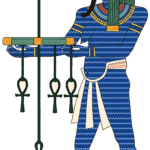 Wadj-wer
In many inscriptions and artifacts, Wosret is shown with symbols that represent fertility and motherhood. These symbols often include the ankh, which symbolizes life, and the lotus flower, representing rebirth and purity. Her association with these symbols indicates the reverence the ancient Egyptians held for her role in the cycle of life. This connection to fertility made her a favorite among women, particularly those seeking to conceive or ensure the safety of their offspring.
Wosret in Ancient Texts
Wosret appears in various ancient texts, including pyramid texts and coffin texts, which highlight her significance in the afterlife. These texts often describe her as a protective figure who assists the deceased in their journey through the underworld. Her presence in these texts illustrates the belief that she could offer comfort and guidance, ensuring a safe passage to the afterlife. Such depictions emphasize her role as a nurturing deity, extending beyond the mortal realm.
 Weneg
WenegOne of the most notable references to Wosret is found in the Book of the Dead, an ancient Egyptian funerary text. In this text, she is invoked for her protective qualities, demonstrating the belief that she could shield the deceased from harm. This connection to the afterlife reinforced her status as a vital figure in both life and death. The ancient Egyptians sought her favor, believing that her blessings could lead to a prosperous existence and a safe transition to the next life.
Wosret’s Symbolism and Iconography
The iconography of Wosret is rich and varied, showcasing her multifaceted nature as a goddess. She is often depicted as a woman with a crown adorned with a cow’s horns and a solar disk, symbolizing her connection to motherhood and the divine. This imagery represents her nurturing qualities and her role as a protector of the family. The cow, in ancient Egyptian culture, is associated with fertility and sustenance, further emphasizing her attributes as a motherly figure.
In addition to her crown, Wosret is frequently shown holding the ankh and the was scepter. The ankh symbolizes life, while the was scepter represents power and authority. Together, these symbols illustrate her dual role as a giver of life and a powerful deity. Her iconography often appears in temples and on amulets, where devotees would seek her blessings for fertility and protection.
 Unut
UnutWosret’s Cult and Worship
The worship of Wosret was prominent in ancient Egypt, particularly during the New Kingdom period. Temples dedicated to her were established in various locations, with the most notable being in Thebes. These temples served as centers of worship where rituals and ceremonies were conducted in her honor. Devotees would bring offerings, including food, flowers, and incense, to seek her favor and blessings. The act of worship was a significant part of daily life for many ancient Egyptians, reflecting their deep devotion to the goddess.
Rituals dedicated to Wosret often included prayers and hymns that praised her nurturing qualities. These ceremonies were particularly important for women, especially those who were pregnant or had recently given birth. The ancient Egyptians believed that by invoking Wosret’s name, they could ensure a safe delivery and a healthy child. This aspect of her worship highlights the cultural significance placed on motherhood and the need for divine assistance during childbirth.
Wosret’s Influence on Family Life
Wosret’s influence extended beyond religious practices; she played a vital role in the daily lives of families in ancient Egypt. Women would often invoke her name during moments of uncertainty or fear, particularly concerning their children. Her protective nature made her a source of comfort and strength for mothers, who sought her guidance in raising their offspring. The belief in Wosret’s power to safeguard families contributed to her enduring legacy in Egyptian culture.
In many households, small shrines dedicated to Wosret were created, allowing families to honor her daily. These shrines often contained images of the goddess, along with offerings that expressed gratitude for her blessings. The act of maintaining a shrine was a way for families to connect with the divine and seek Wosret’s protection over their home and loved ones. This personal connection to the goddess exemplifies the importance of her role in the fabric of Egyptian society.
Wosret in Comparison to Other Deities
When examining Wosret in comparison to other deities in the Egyptian pantheon, it becomes clear that she shares similarities with several goddesses. For instance, she has notable parallels with Isis, another powerful mother goddess. Both deities are associated with fertility, motherhood, and protection, and they often appear together in various texts and artifacts. However, Wosret’s unique attributes and specific associations with childbirth set her apart as a distinct figure in Egyptian mythology.
Another goddess often compared to Wosret is Hathor, who is also linked to motherhood and fertility. Hathor is often depicted as a nurturing figure, associated with music, dance, and joy. While both Wosret and Hathor share similar roles as protectors of mothers and children, Wosret’s emphasis on the protective aspects during childbirth distinguishes her from Hathor’s more celebratory nature. This diversity among the goddesses highlights the complex beliefs held by the ancient Egyptians regarding femininity and motherhood.
The Legacy of Wosret
The legacy of Wosret endures in various forms, reflecting her importance in ancient Egyptian culture. Her influence can be seen in art, literature, and religious practices that emphasize the significance of motherhood and protection. The stories and attributes associated with Wosret continue to resonate with contemporary audiences, illustrating the timelessness of her message. As a symbol of nurturing and strength, Wosret serves as a reminder of the vital role that women play in society.
In modern times, Wosret’s legacy has been rediscovered by scholars and enthusiasts of Egyptian mythology. Her story and significance are often included in discussions about the role of women in ancient civilizations, shedding light on the reverence that ancient Egyptians held for motherhood. This renewed interest in Wosret’s mythology has led to a deeper understanding of the complexities of gender roles and the divine feminine in ancient cultures.
While this article does not include a conclusion, the exploration of Wosret’s significance in Egyptian mythology reveals the goddess’s enduring influence on ancient Egyptian society. Her attributes as a protector and nurturer highlight the reverence that ancient Egyptians held for motherhood and the sanctity of life. Through her worship and representation, Wosret remains a powerful symbol of femininity and strength in the rich tapestry of Egyptian mythology.