
In the rich tapestry of Thai mythology, one of the most fascinating figures is Agat-talai. This legendary character plays a significant role in various tales and is often associated with themes of protection, wisdom, and the mystical forces of nature. Agat-talai is not just a figure of folklore; he embodies the cultural beliefs and values of the Thai people. His stories are often passed down through generations, illustrating the importance of tradition in Thai society.
The Origins of Agat-talai
The origins of Agat-talai can be traced back to ancient Thai literature and religious texts. He is often depicted as a guardian spirit, a being who watches over people and protects them from harm. Many believe that his name translates to “the protector” or “the guardian,” which highlights his role in safeguarding communities. These stories have evolved over time, but the core message of Agat-talai’s protective nature remains unchanged.
 Wat Pho
In Thai mythology, Agat-talai is often linked to the Buddhist tradition. Many tales suggest that he was a disciple of the Buddha, who was granted special powers to protect the innocent and guide those in need. His character is sometimes seen as a bridge between the human world and the spiritual realm, allowing him to intervene in the lives of people when they face challenges or dangers.
The Role of Agat-talai in Thai Culture
Agat-talai is not just a mythological figure; he plays a crucial role in Thai culture and daily life. His stories are frequently told during festivals, ceremonies, and family gatherings. Many Thai people invoke his name when they seek protection or guidance. This cultural significance is evident in various aspects of life, from art and literature to religious practices.
In Thai art, Agat-talai is often depicted in vibrant murals and sculptures. These artworks serve as reminders of his protective powers and the values he represents. They are found in temples and homes, where they are revered as symbols of safety and wisdom. The presence of Agat-talai in art helps to reinforce the connection between the spiritual and the material world, illustrating how mythology influences everyday life.
 Thotsakan
Festivals Celebrating Agat-talai
- Songkran Festival: During this water festival, many people pray to Agat-talai for protection and blessings for the new year.
- Loy Krathong: This festival of lights often includes offerings made to Agat-talai, symbolizing the release of troubles and seeking guidance.
- Magha Puja: Celebrated in honor of the Buddha, this day also pays homage to Agat-talai, emphasizing his connection to Buddhist teachings.
Each of these festivals highlights the enduring legacy of Agat-talai in Thai culture. They serve as occasions for people to come together, celebrate their heritage, and express their hopes and wishes through prayers and offerings. These communal activities reinforce the bonds of family and community, showing how mythology can bring people together.
Agat-talai and Nature
Agat-talai’s connection to nature is another vital aspect of his mythology. He is often associated with natural elements such as water, mountains, and forests. Many tales describe him as a guardian of these elements, ensuring that they remain protected and undisturbed. This relationship emphasizes the Thai people’s respect for nature and their belief in the spiritual significance of the environment.
In various stories, Agat-talai is said to have the power to control the weather and the forces of nature. For instance, during times of drought, people would pray to him for rain, believing that he could bring life-giving water to their fields. This belief reflects the deep connection between the Thai people and their agricultural lifestyle, highlighting how mythology influences their relationship with the environment.
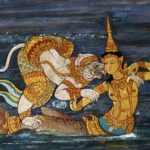 Suvannamaccha
Legends of Agat-talai’s Powers
- Rainmaker: Stories often depict Agat-talai summoning rain to save crops from drought.
- Protector of Wildlife: He is seen as a guardian of animals, ensuring their safety and well-being.
- Guardian of Sacred Sites: Many natural sites are considered sacred because of Agat-talai’s presence and protection.
These legends illustrate how Agat-talai embodies the values of harmony and balance between humans and nature. They serve as a reminder of the importance of respecting the environment and recognizing the spiritual forces at play in the natural world. This relationship is central to the Thai worldview, where mythology and nature are intertwined.
Agat-talai in Modern Times
Even in modern Thailand, Agat-talai’s influence persists. His stories are adapted into contemporary media, including films, literature, and art. These adaptations help to keep the mythology alive and relevant, allowing new generations to connect with their cultural heritage. The enduring popularity of Agat-talai reflects the Thai people’s desire to maintain a connection to their past while navigating the complexities of modern life.
Moreover, many people still turn to Agat-talai for guidance and support in their daily lives. His image is often found in homes and businesses, where it serves as a symbol of protection and good fortune. This practice highlights the continued relevance of mythology in shaping personal beliefs and values, showing that Agat-talai remains a vital part of Thai identity.
Influence on Thai Arts
- Literature: Many contemporary authors draw inspiration from Agat-talai’s stories, weaving them into modern narratives.
- Film: Movies often feature Agat-talai as a central character, exploring his adventures and lessons.
- Visual Arts: Artists incorporate Agat-talai’s imagery into their work, celebrating his significance in Thai culture.
The adaptation of Agat-talai into various forms of media showcases the versatility of mythology and its ability to resonate across different contexts. These modern interpretations not only honor the traditional tales but also invite new audiences to explore the richness of Thai culture.
Agat-talai and Spiritual Practices
Agat-talai’s presence is also felt in various spiritual practices in Thailand. Many people engage in rituals and ceremonies aimed at invoking his protection and blessings. These practices often involve offerings, prayers, and meditative activities that connect individuals to the spiritual realm. Through these rituals, worshippers seek to establish a personal relationship with Agat-talai, inviting his guidance into their lives.
In temples, you may find altars dedicated to Agat-talai, where devotees leave offerings of flowers, incense, and food. These acts of devotion are seen as a way to express gratitude and seek favor. The rituals are often accompanied by chants and prayers that invoke Agat-talai’s name, reinforcing the belief in his protective powers and wisdom.
Common Rituals Involving Agat-talai
- Offerings: Devotees leave food and flowers at altars as a sign of respect and gratitude.
- Chanting: Many people chant prayers to invoke Agat-talai’s blessings during ceremonies.
- Meditation: Practicing meditation with the intention of connecting to Agat-talai for guidance and wisdom.
These spiritual practices illustrate the deep-rooted belief in Agat-talai’s influence on everyday life. They serve as a means for individuals to seek comfort, guidance, and protection in an ever-changing world. The rituals also foster a sense of community among worshippers, reinforcing the cultural significance of Agat-talai in Thai society.
The Legacy of Agat-talai
The legacy of Agat-talai continues to thrive in contemporary Thailand. As a symbol of protection, wisdom, and harmony with nature, he embodies the core values that resonate with the Thai people. His stories and teachings are a source of inspiration, reminding individuals of the importance of community, tradition, and respect for the natural world.
As Thailand evolves, the tales of Agat-talai serve as a bridge between the past and the present. They encourage a dialogue between generations, fostering a sense of identity and belonging. The enduring appeal of Agat-talai reflects the resilience of Thai culture and its ability to adapt while preserving its rich heritage.
Modern Interpretations and Future
- Education: Schools incorporate Agat-talai’s stories into their curriculum, teaching children about their cultural heritage.
- Tourism: Many cultural festivals celebrating Agat-talai attract tourists, promoting awareness of Thai mythology.
- Community Projects: Initiatives aimed at preserving traditional stories and practices ensure that Agat-talai’s legacy continues.
the legacy of Agat-talai is one that resonates deeply within Thai culture. His stories continue to inspire and guide individuals, reminding them of the importance of community, nature, and spirituality. As Thailand moves forward, Agat-talai’s influence will undoubtedly remain a vital part of its cultural identity, ensuring that the teachings of this legendary figure endure for generations to come.