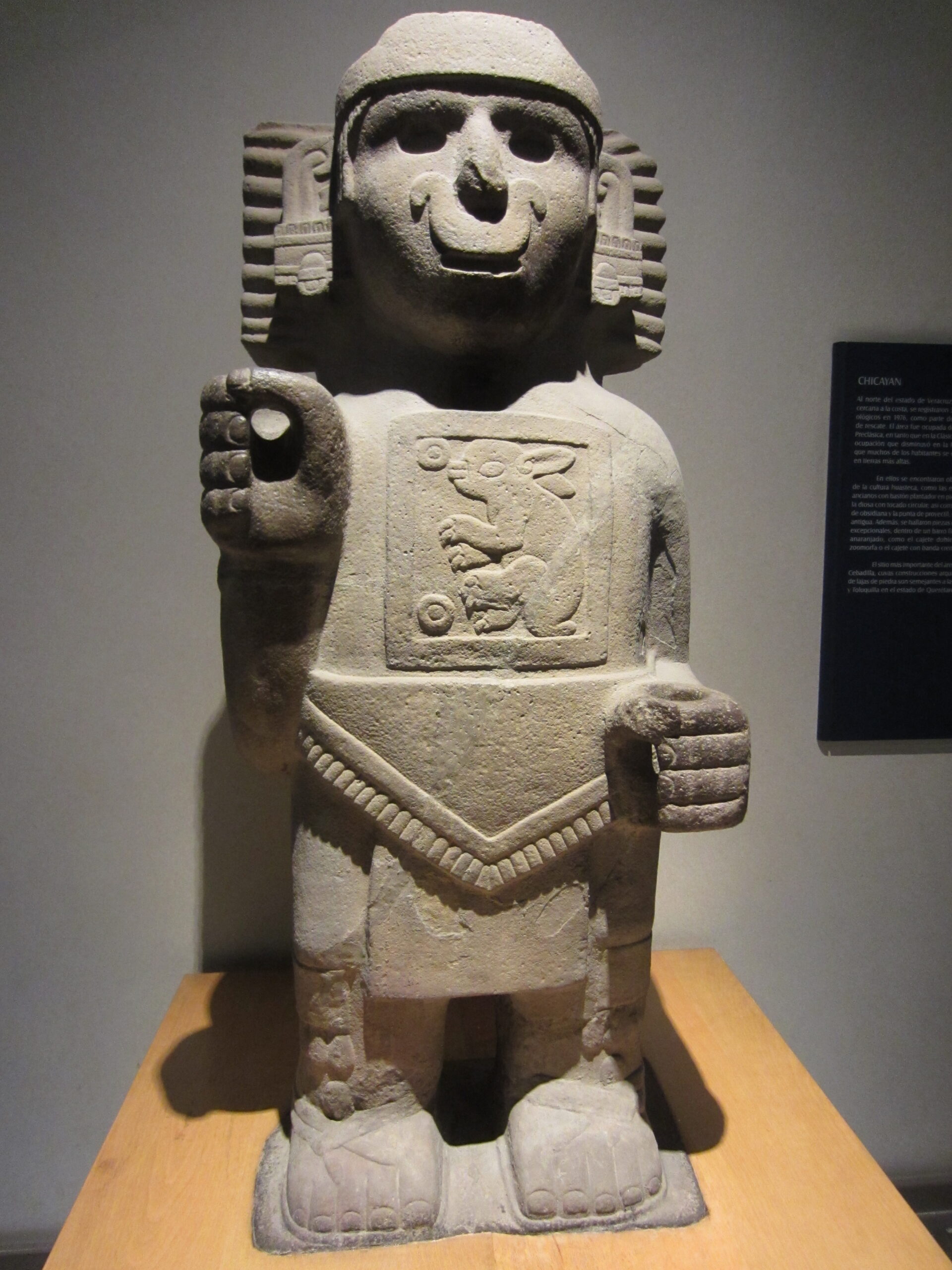
Ometochtli is a significant deity in Aztec mythology, representing the duality of life and the connection between the earth and the cosmos. The name Ometochtli translates to “two rabbits,” symbolizing fertility, abundance, and the balance of opposites. In Aztec culture, rabbits were often associated with the moon and the night, making Ometochtli an essential figure in understanding their cosmology. The Aztecs believed that the universe was made up of dualities, and Ometochtli embodies this concept through its representation of both the male and female aspects of existence.
Origins of Ometochtli
The origins of Ometochtli can be traced back to the ancient Mesoamerican civilizations. The deity is often linked to other important gods and goddesses within the Aztec pantheon. The Aztecs were deeply influenced by the Teotihuacan civilization, which had its own set of deities that represented similar themes of duality and balance. Ometochtli is sometimes associated with Quetzalcoatl, the feathered serpent god, who also embodies the duality of life and death.
 Omecihuatl
In the Aztec creation myth, Ometochtli plays a vital role. The story tells of how the world was created from the primordial chaos, where two opposing forces came together to form the universe. These forces are often represented as male and female energies, which is a central theme in Ometochtli’s identity. The balance of these forces is crucial for maintaining harmony in the world.
Furthermore, Ometochtli is linked to the concept of tlaloc, the god of rain, who is essential for agriculture and sustenance. The dual nature of Ometochtli reflects the importance of both rain and sunlight in the growth of crops, highlighting the interconnectedness of various natural elements. This relationship emphasizes the significance of Ometochtli as a fertility god, essential for the survival of the Aztec people.
Symbolism of Ometochtli
Ometochtli is rich in symbolism, embodying various aspects of life that are essential to the Aztec worldview. One of the primary symbols associated with Ometochtli is the rabbit, which represents fertility and abundance. In Aztec culture, rabbits were seen as prolific breeders, and their association with the moon further emphasizes the connection between fertility and the lunar cycles. The lunar phases were crucial for agricultural practices, making Ometochtli a vital figure for farmers.
 Tezcatlipoca
Another important symbol linked to Ometochtli is maize, or corn, which was a staple food for the Aztecs. Maize is often regarded as a gift from the gods, and Ometochtli’s role in fertility directly relates to the growth of this essential crop. The Aztecs believed that proper offerings and rituals to Ometochtli would ensure a bountiful harvest, highlighting the god’s significance in agricultural success.
- Rabbits: Symbol of fertility and abundance.
- Maize: Represents sustenance and agricultural prosperity.
- Duality: Embodies the balance of male and female energies.
Furthermore, Ometochtli’s dual nature is often depicted through various artistic representations. In Aztec art, Ometochtli is sometimes shown with two faces or in dual forms, emphasizing the idea of balance and harmony. This visual representation reinforces the belief that life consists of opposing forces that must coexist for the universe to function correctly.
Worship and Rituals
The worship of Ometochtli was an integral part of Aztec religious practices. The Aztecs believed that honoring their deities through rituals and offerings was essential for maintaining harmony in the world. Ometochtli was often celebrated during specific festivals that focused on fertility and agricultural abundance. These festivals involved various rituals, including music, dance, and offerings to appease the deity.
 Omacatl
One of the most significant rituals dedicated to Ometochtli was the Tlacaxipehualiztli festival, which honored the god of agriculture and the cycle of life and death. During this festival, the Aztecs would perform rituals to ensure a successful harvest. They believed that by honoring Ometochtli, they could secure the fertility of the land and the wellbeing of their community.
Offerings to Ometochtli often included food items such as maize, fruits, and rabbits, reflecting the deity’s associations with fertility and sustenance. The Aztecs would prepare elaborate altars adorned with these offerings, creating a space for the community to come together and honor the god. This communal aspect of worship was vital in fostering a sense of unity and shared purpose among the Aztec people.
Ometochtli in Aztec Cosmology
In Aztec cosmology, Ometochtli holds a significant place among the gods and goddesses that shape the universe. The concept of duality is central to the Aztec understanding of the cosmos, where opposing forces work together to create balance. Ometochtli’s role as a fertility god aligns with this belief, as fertility is often seen as the result of the harmonious interaction between male and female energies.
The Aztecs viewed the universe as a series of layers, with different realms inhabited by various deities. Ometochtli, representing the earth and the moon, is often associated with the underworld and the heavens. This connection highlights the importance of Ometochtli in the cycle of life, as the earth provides sustenance while the moon governs the rhythms of nature.
- Earth: Represents sustenance and fertility.
- Moon: Governs the cycles of life and nature.
- Underworld: Symbolizes the connection between life and death.
Moreover, Ometochtli’s influence extends beyond agriculture and fertility. The deity is also associated with the concept of transformation, as the cycles of life and death are essential for renewal. This aspect of Ometochtli’s identity reflects the Aztec belief in the cyclical nature of existence, where death is not an end but a necessary part of the ongoing process of life.
Ometochtli and the Aztec Calendar
The Aztec calendar plays a crucial role in understanding the significance of Ometochtli within the broader context of Aztec mythology. The calendar is divided into several cycles, each associated with different deities and natural phenomena. Ometochtli is particularly linked to the Tonalpohualli, the 260-day sacred calendar that governs rituals and agricultural practices.
In the Tonalpohualli, each day is associated with specific gods, and Ometochtli is linked to the days representing fertility and abundance. The Aztecs believed that the alignment of the stars and the movements of celestial bodies influenced their lives on earth. Therefore, honoring Ometochtli during the appropriate days was seen as essential for ensuring a fruitful harvest.
Additionally, the Aztec calendar also includes the Xiuhpohualli, the 365-day solar calendar that marks the agricultural year. The interplay between these two calendars emphasizes the importance of timing in agricultural practices. Ometochtli’s association with both calendars illustrates the deity’s role in guiding the cycles of nature and ensuring the prosperity of the Aztec people.
Modern Interpretations of Ometochtli
In contemporary times, Ometochtli continues to be a figure of interest and reverence among those who study Mesoamerican mythology and culture. Scholars and enthusiasts alike recognize the importance of Ometochtli in understanding the complex beliefs and practices of the Aztec civilization. Modern interpretations often focus on the themes of duality, fertility, and the interconnectedness of life, drawing parallels between ancient beliefs and contemporary values.
Some cultural organizations and indigenous groups in Mexico have sought to revive the worship of Ometochtli as part of a broader effort to reconnect with their ancestral heritage. These initiatives often emphasize the importance of sustainability and ecological balance, reflecting the teachings of Ometochtli regarding the interconnectedness of all living things. This modern interpretation highlights the relevance of ancient wisdom in addressing contemporary challenges related to agriculture and environmental stewardship.
Moreover, Ometochtli’s significance extends beyond religious practices. The deity has also found a place in popular culture, inspiring art, literature, and various forms of creative expression. Artists and writers often draw upon the rich symbolism of Ometochtli to explore themes of identity, culture, and the relationship between humanity and nature. This creative engagement with Ometochtli reflects a growing interest in the revival of indigenous narratives and the importance of preserving cultural heritage.
Ometochtli remains a vital figure in the study of Aztec mythology, symbolizing the duality of life, fertility, and the interconnectedness of nature. Through its rich symbolism, worship practices, and modern interpretations, Ometochtli continues to resonate with people today. The legacy of this ancient deity serves as a reminder of the enduring power of mythology and its relevance in understanding the complexities of existence.