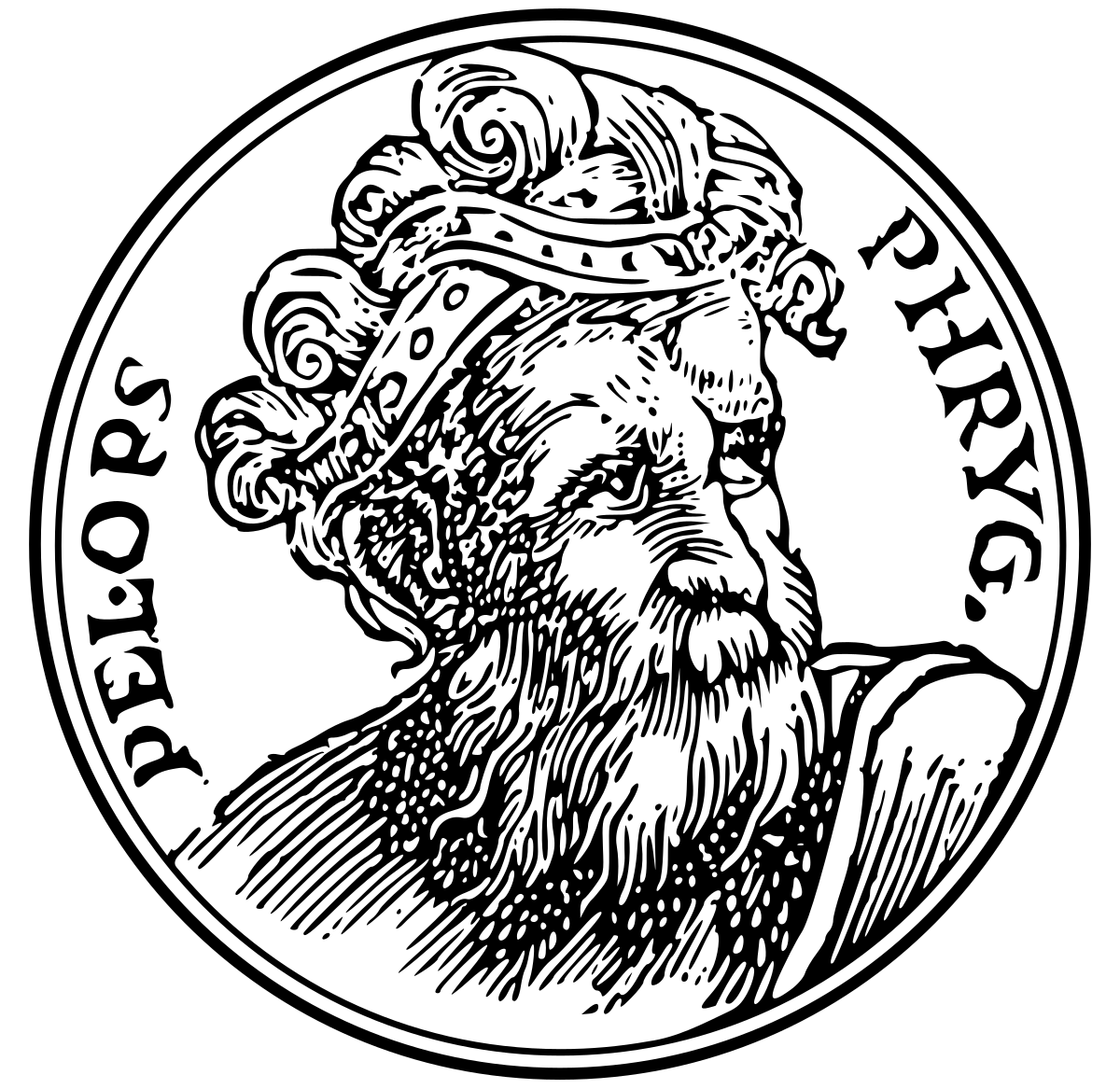
In Greek mythology, Pelops is a significant figure known for his dramatic story and his connection to various legendary tales. He was the son of Tantalus and is often associated with the Peloponnesian peninsula, which is named after him. His life is filled with themes of betrayal, divine intervention, and the quest for love and honor. Pelops is also a central character in the myth of the Chariot Race against King Oenomaus, which ultimately leads to his rise to power and influence in the region.
The Origins of Pelops
Pelops was born to Tantalus, a king who was favored by the gods. However, Tantalus made a grave mistake that led to dire consequences for his family. He attempted to test the gods’ omniscience by serving them the flesh of his own son, Pelops, at a banquet. This act of hubris angered the gods, and as punishment, they condemned Tantalus to suffer in the underworld. He would stand eternally hungry and thirsty, with food and drink just out of reach. The gods, however, saved Pelops from this gruesome fate. They restored him to life and even gave him a new shoulder made of ivory, as Demeter had eaten his original one in her grief.
 Penia
PeniaPelops’s revival marked the beginning of his legendary journey. After being brought back to life, he became a symbol of resilience and redemption. He grew into a handsome young man, and his story is intertwined with the themes of fate and the influence of the gods on human lives. The gods played a crucial role in shaping Pelops’s destiny, showcasing the belief in divine intervention prevalent in Greek mythology.
The Chariot Race
One of the most famous stories about Pelops is his legendary chariot race against King Oenomaus of Pisa. Oenomaus had a reputation for being a formidable warrior, and he had a unique challenge for any suitor wishing to marry his daughter, Hippodamia. He would race them in his chariot, and if they lost, they would pay with their lives. Many young men had tried and failed, but Pelops was determined to win Hippodamia’s hand in marriage.
To prepare for the race, Pelops sought the help of the goddess Aphrodite, who was known for her beauty and power over love. He also enlisted the help of Poseidon, the god of the sea, who provided him with a magnificent golden chariot and horses that could run faster than the wind. With these divine gifts, Pelops felt confident in his ability to defeat Oenomaus.
 Perseis
The Race Begins
On the day of the race, Pelops faced Oenomaus, who was not only a skilled charioteer but also had a powerful team of horses. As the race commenced, it became clear that Oenomaus was leading. However, Pelops had a secret plan to ensure his victory. He had bribed Oenomaus’s charioteer, Myrtilus, to sabotage the king’s chariot. Myrtilus agreed to help Pelops in exchange for a promise of reward.
- Pelops’s determination to win Hippodamia’s love.
- The role of divine intervention in the race.
- The betrayal of Myrtilus against Oenomaus.
As the race progressed, Myrtilus tampered with the chariot’s axles, causing Oenomaus’s chariot to break apart. This led to the king’s downfall, and Pelops seized the opportunity to take the lead. Ultimately, Pelops emerged victorious, winning not only the race but also the hand of Hippodamia in marriage. This victory was celebrated throughout the land, and Pelops became a hero in the eyes of the people.
The Aftermath of the Race
Following his victory, Pelops married Hippodamia, and they had several children together. Their union was seen as a significant alliance, bringing together the families of Pelops and Oenomaus. However, the story did not end there. Pelops’s victory came with a price, as he had betrayed Myrtilus, who felt cheated out of his promised reward. In a fit of rage, Myrtilus cursed Pelops and his descendants before he was thrown into the sea.
 Perses
This curse would have lasting implications for Pelops’s family, leading to a series of tragic events known as the House of Atreus saga. The curse was said to bring misfortune and strife to Pelops’s descendants, including his sons, Agamemnon and Menelaus. The repercussions of the chariot race echoed throughout Greek mythology, illustrating how a single act of betrayal can lead to generations of suffering.
Pelops in Later Myths
Pelops’s legacy continued to be felt in various myths and stories throughout Greek history. He became a symbol of athletic prowess, and his name was often associated with the Peloponnesian Games, an ancient athletic festival held in his honor. These games celebrated physical strength and competition, reflecting Pelops’s own qualities as a champion.
In addition to his athletic legacy, Pelops’s story also served as a cautionary tale about the consequences of ambition and the importance of honoring promises. The themes of betrayal, divine intervention, and the struggle for power are prevalent in many myths involving Pelops and his descendants. His life is a reminder of the intricate web of relationships and events that shape the course of human history in Greek mythology.
The Symbolism of Pelops
Pelops embodies several important themes in Greek mythology, making him a multifaceted character. One of the most significant aspects of his story is the idea of redemption. Despite his tragic beginnings and the betrayal he faced, Pelops rose to greatness and became a respected figure. This journey highlights the belief that individuals can overcome their past and achieve greatness through determination and divine support.
Another key theme in Pelops’s story is the role of fate and the gods in human affairs. Throughout his life, Pelops was heavily influenced by the decisions of the gods, which reflects the ancient Greek understanding of fate as an integral part of existence. His interactions with divine beings showcase the complex relationship between mortals and gods, where human actions are often intertwined with divine will.
Lessons from Pelops’s Life
The life of Pelops offers valuable lessons that resonate even today. His story emphasizes the importance of courage and perseverance in the face of adversity. Pelops’s determination to win the chariot race, despite the odds stacked against him, serves as an inspiration for many. It encourages individuals to pursue their goals relentlessly, regardless of the challenges they may encounter.
- The importance of honoring commitments and promises.
- The consequences of betrayal and dishonor.
- The interplay between human actions and divine influence.
Furthermore, Pelops’s narrative reminds us that our actions can have far-reaching consequences. The curse placed upon his family due to his betrayal of Myrtilus illustrates how one decision can affect generations. This serves as a powerful reminder to act with integrity and consider the potential impact of our choices on others.
Cultural Impact of Pelops
Pelops has had a lasting impact on various aspects of culture, including literature, art, and sports. His story has been retold in numerous works, from ancient plays to modern adaptations, showcasing the enduring fascination with his character and the themes surrounding his life. The dramatic elements of his tale, including the chariot race and the curse, have inspired countless writers and artists over the centuries.
In art, Pelops is often depicted in scenes that highlight his athleticism and heroism. Statues and paintings capture his essence as a champion, celebrating his victory and his legacy. These representations serve as a testament to the importance of athleticism in ancient Greek culture, where physical prowess was highly valued.
Pelops in Modern Context
Today, Pelops continues to be a symbol of resilience and determination. His story resonates with individuals facing their own challenges, reminding them that perseverance can lead to success. In sports, his legacy is often referenced as a source of inspiration for athletes striving to overcome obstacles and achieve greatness.
- The relevance of Pelops’s story in contemporary sports.
- His symbolism in literature and art.
- The continued fascination with Greek mythology in modern culture.
Moreover, the exploration of Pelops’s character in modern adaptations highlights the timeless nature of his story. Whether in films, novels, or theatrical productions, Pelops remains a captivating figure whose journey reflects universal themes of ambition, love, and the complexities of human relationships.
The Legacy of Pelops
Pelops’s legacy is deeply rooted in the fabric of Greek mythology and culture. His story has been passed down through generations, influencing various aspects of life in ancient Greece and beyond. The themes of his life, including the struggles for power, the role of the gods, and the consequences of betrayal, continue to resonate with audiences today.
As a character, Pelops serves as a reminder of the complexities of human nature and the interplay between fate and free will. His experiences reflect the challenges individuals face in their pursuit of love, honor, and success. The lessons learned from his story remain relevant, encouraging people to navigate their own paths with integrity and determination.
Pelops in Education
In educational contexts, Pelops’s story is often used to teach students about Greek mythology, literature, and the values of ancient cultures. His life provides an engaging narrative that captivates young minds while imparting important lessons about morality and the consequences of one’s actions. By studying Pelops, students can gain insights into the cultural beliefs and values of ancient Greece, enriching their understanding of history and mythology.
- The use of Pelops’s story in literature classes.
- Lessons on ethics and morality derived from his experiences.
- The importance of mythology in understanding cultural heritage.
Furthermore, Pelops’s tale serves as a gateway to discussions about the broader themes found in mythology, such as the nature of heroism, the role of the gods, and the concept of fate. By examining his life, students can explore these themes in a meaningful way, fostering critical thinking and analytical skills.
Pelops remains a central figure in Greek mythology, representing the complexities of human nature and the enduring impact of our choices. His story is rich with themes of ambition, love, betrayal, and divine influence, making it a compelling narrative that continues to inspire and resonate with audiences today. Through his legacy, Pelops teaches valuable lessons about perseverance, integrity, and the consequences of our actions, reminding us of the timeless relevance of mythology in our lives.