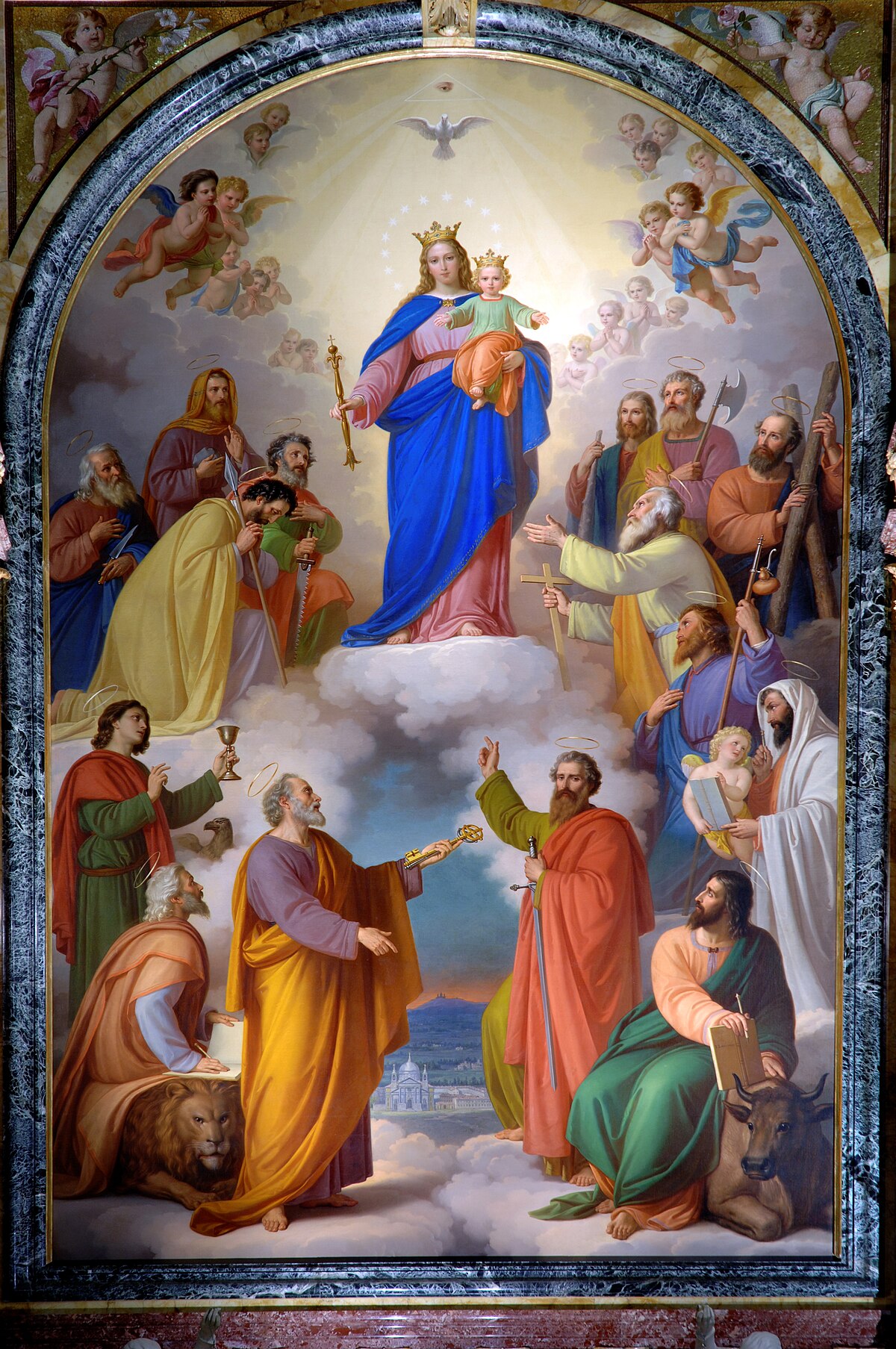
St. Mary, often referred to as the Virgin Mary, holds a significant place in Christian mythology. She is widely recognized as the mother of Jesus Christ, a central figure in Christianity. Her life and virtues are celebrated in various traditions and teachings within the Christian faith. Many believers see her as a symbol of purity, compassion, and maternal love. Over the centuries, her story has inspired countless works of art, literature, and religious devotion. The impact of St. Mary transcends denominations, making her one of the most revered figures in Christianity.
The Life of St. Mary
The life of St. Mary is documented in the New Testament, primarily in the Gospels of Matthew and Luke. According to these texts, Mary was a young woman living in Nazareth when the angel Gabriel visited her. This event is known as the Annunciation, where Gabriel announced that she would conceive a child by the Holy Spirit. This miraculous conception emphasizes her role as a divine vessel, chosen to bring forth the Savior of the world. Mary’s acceptance of this divine mission is a testament to her faith and obedience.
 St. Blaise
Mary’s early life is often shrouded in mystery. However, tradition holds that she was born to Anne and Joachim, who were devout Jews. Their prayers for a child were answered when Mary was born. This miraculous birth is celebrated in the Feast of the Nativity of Mary, observed on September 8th. Throughout her life, Mary exhibited qualities of humility and grace, serving as a model for all Christians. Her acceptance of God’s will serves as a reminder of the importance of faith in the face of uncertainty.
The Role of St. Mary in Christianity
St. Mary occupies a unique position within Christianity, serving as a bridge between humanity and the divine. Her role extends beyond that of a mother; she is often viewed as a spiritual intercessor. Many Christians believe that Mary can intercede on their behalf, praying to God for their needs and concerns. This belief has led to the establishment of numerous prayers and devotions dedicated to her, such as the Hail Mary and the Rosary.
In addition to her role as intercessor, Mary is also a symbol of hope and comfort for many believers. In times of distress, Christians often turn to her for solace and guidance. The Virgin Mary has been depicted in various forms of art, reflecting her maternal qualities and deep compassion. Many churches are dedicated to her, and her images can be found in homes and places of worship around the world.
 St. Blane
Mary in the Gospels
The Gospels provide essential insights into the life and significance of St. Mary. In the Gospel of Luke, we find the Magnificat, a hymn of praise that Mary offers upon visiting her cousin Elizabeth. This passage highlights Mary’s deep faith and recognition of God’s greatness. It serves as an important reminder of her role in God’s plan and her willingness to accept her calling. The Magnificat has inspired countless musical compositions and is often recited in liturgical settings.
Another critical moment in Mary’s life is the Crucifixion of Jesus. According to the Gospel of John, Mary stood at the foot of the cross, witnessing her son’s suffering. This moment underscores her strength and unwavering love. She endured immense pain yet remained steadfast in her faith. Her presence during this pivotal event is a powerful testament to her role as a mother and follower of Christ.
The Veneration of St. Mary
The veneration of St. Mary varies across different Christian denominations. In the Roman Catholic Church, she is given a special place of honor, often referred to as the Mother of God. The Catholic tradition emphasizes the importance of her virginity, perpetual motherhood, and assumption into heaven. The Immaculate Conception, a doctrine stating that Mary was conceived without original sin, is another key belief in Catholicism. This doctrine highlights her purity and prepares her to be the mother of Jesus.
 St. Beuno
In the Eastern Orthodox Church, Mary is also highly revered. She is often referred to as Theotokos, meaning “God-bearer.” The Orthodox tradition celebrates many feasts in her honor, reflecting her significant role in salvation history. The Dormition of the Theotokos is one such feast, commemorating her death and assumption into heaven. This event is celebrated with great solemnity and joy, emphasizing her continuing intercessory role.
Mary in Art and Literature
St. Mary has been a prominent figure in art and literature throughout history. Artists have depicted her in various styles, capturing her essence as a mother and a divine figure. From the iconic Madonna and Child paintings of the Renaissance to modern interpretations, Mary’s image has inspired creativity across cultures and time periods. These artworks often highlight her gentle demeanor and maternal qualities, making her relatable to people of all backgrounds.
In literature, Mary has been a subject of exploration and admiration. Poets and writers have penned numerous works that reflect on her virtues, such as compassion, humility, and strength. Her story is often seen as a source of inspiration for women, symbolizing resilience and faith. Many novels and poems have sought to capture the essence of her character, portraying her as a guiding light in challenging times.
Mary’s Influence on Culture
The influence of St. Mary extends beyond religious contexts into various aspects of culture. Her image and story have permeated music, theater, and film, resonating with audiences around the world. Many songs and hymns celebrate her virtues and role in salvation history, providing comfort and inspiration to believers. Her story has been adapted into plays and films, often highlighting themes of love, sacrifice, and faith.
- Music: Many composers have written pieces dedicated to Mary, including choral works and hymns.
- Theater: Plays and dramas often depict her life, exploring her relationship with Jesus and her role in the early Church.
- Film: Movies that portray biblical stories frequently include Mary, showcasing her importance in the narrative of Christ’s life.
Mary’s influence can also be seen in various cultural traditions and celebrations. Many cultures have established festivals and observances in her honor, reflecting her universal appeal. These celebrations often include processions, prayers, and communal gatherings, fostering a sense of unity among believers. The Feast of the Assumption, celebrated on August 15th, is one such event, commemorating Mary’s assumption into heaven.
Modern Perspectives on St. Mary
In contemporary society, St. Mary continues to inspire individuals and communities. Many modern believers find solace in her story, viewing her as a model of faith and resilience. In a world often marked by challenges and uncertainties, Mary’s unwavering trust in God serves as a beacon of hope. Her life encourages individuals to embrace their faith and face difficulties with courage and grace.
Moreover, discussions surrounding gender roles in religion have brought renewed attention to St. Mary. Many advocates for women’s rights within the church highlight her as a powerful example of female strength and leadership. Mary’s role as the mother of Jesus emphasizes the significance of women’s contributions to faith and community. This perspective encourages a reevaluation of traditional views and inspires a more inclusive understanding of spirituality.
Conclusion: The Enduring Legacy of St. Mary
The legacy of St. Mary endures through the ages, transcending cultural and denominational boundaries. Her story is a testament to faith, love, and resilience, inspiring millions around the world. As believers continue to venerate her, Mary remains a symbol of hope and a guiding figure in the journey of faith. Whether through prayer, art, or cultural celebrations, her influence is felt in diverse ways, reminding us of the power of love and devotion in our lives.