
Maderakka is a fascinating figure in Sámi mythology, representing the intricate relationship between nature and the Sámi people. She is often depicted as a goddess or a powerful spirit associated with the land, fertility, and the cycle of life and death. The Sámi, indigenous to the northern parts of Norway, Sweden, Finland, and Russia, have a rich cultural heritage that includes a deep reverence for nature and its elements. Maderakka embodies these themes, highlighting the importance of the earth and its resources in Sámi beliefs. Understanding her role provides insight into the broader framework of Sámi mythology and the values that underpin it.

The Significance of Maderakka in Sámi Culture
Maderakka is more than just a mythological figure; she is a symbol of fertility and the nurturing aspects of nature. In Sámi culture, fertility is not limited to human reproduction but extends to the land and animals. Maderakka is believed to be responsible for the abundance of resources, ensuring that the Sámi people can sustain their way of life. This connection to the land is crucial, as the Sámi traditionally relied on reindeer herding, fishing, and gathering for their survival. By honoring Maderakka, they express gratitude for the natural world and its gifts.
In addition to her association with fertility, Maderakka is also linked to the concept of death and the afterlife. In Sámi belief, death is not seen as an end but as a transition to another realm. Maderakka is thought to guide souls to the afterlife, providing comfort and support during this journey. This duality of life and death reflects the Sámi understanding of nature as a cycle, where every ending is a new beginning. By recognizing Maderakka’s role in both aspects, the Sámi people demonstrate their respect for the natural order and the interconnectedness of all living things.
Mythological Stories Involving Maderakka
There are various stories and legends that feature Maderakka, each highlighting different aspects of her character and significance. One popular tale describes how she created the first humans from the earth and the elements. In this story, Maderakka molds the bodies of the first Sámi people from clay, breathing life into them with the essence of the land. This narrative emphasizes the belief that humans are intrinsically linked to nature, as they are formed from the very soil and resources that sustain them. It also illustrates Maderakka’s role as a creator and nurturer.
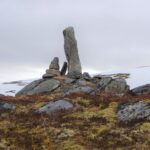 Kul
KulAnother story tells of how Maderakka helped the Sámi people during a time of great hardship. When the reindeer herds were dwindling, and food was scarce, the Sámi prayed to Maderakka for assistance. In response, she sent a great storm that brought snow and rain, replenishing the land and allowing the reindeer to thrive once more. This tale serves to reinforce the idea that Maderakka is a powerful force who can influence the natural world, reminding the Sámi of the importance of maintaining a respectful relationship with their environment.
Maderakka’s Family and Relationships
Maderakka is often associated with other figures in Sámi mythology, forming a complex web of relationships that reflect the interconnectedness of all beings. One of her most notable relationships is with her husband, Dievddat, who is associated with the sky and the celestial bodies. Together, they represent the balance between earth and sky, a theme that is prevalent in many indigenous mythologies. Their union symbolizes the harmony between different elements of nature, illustrating how each aspect plays a vital role in the ecosystem.
Maderakka is also the mother of several important figures in Sámi mythology, including Áhkká, the goddess of the underworld, and Jávrrit, the god of water. These relationships further highlight the significance of family and community in Sámi culture. Each deity represents different facets of the natural world, and their connections to Maderakka emphasize the idea that all elements of nature are interrelated. This network of relationships reinforces the Sámi belief in the importance of maintaining balance and harmony in their surroundings.
 Kied Kie Jubmel
Rituals and Practices Related to Maderakka
The Sámi people engage in various rituals and practices to honor Maderakka and seek her blessings. One common practice involves offerings made to the land, such as leaving food or other items at sacred sites. These offerings are meant to show respect and gratitude for the resources provided by Maderakka. The Sámi believe that by acknowledging her presence, they can ensure a fruitful harvest and a successful hunting season. This practice highlights the deep spiritual connection the Sámi have with their environment and the importance of reciprocity in their relationship with nature.
Another significant ritual involves the joik, a traditional Sámi form of song that expresses emotions and tells stories. Joiking is often performed during ceremonies dedicated to Maderakka, invoking her spirit and seeking her guidance. The songs may recount tales of her deeds, express gratitude, or ask for her assistance in times of need. This musical tradition is an essential aspect of Sámi culture, serving as a means of connecting with their ancestors and the spiritual world.
Maderakka in Contemporary Sámi Society
Despite the challenges faced by the Sámi people in modern society, Maderakka continues to hold a significant place in their cultural identity. Many Sámi individuals actively engage in preserving and promoting their traditions, including the stories and rituals associated with Maderakka. This cultural revival is essential for maintaining a sense of community and connection to their heritage, especially in the face of globalization and assimilation pressures. Maderakka serves as a powerful symbol of resilience and continuity in Sámi culture.
In recent years, there has been a growing interest in Sámi mythology and spirituality among both Sámi and non-Sámi individuals. This interest has led to a renewed appreciation for figures like Maderakka, who embody the values and beliefs of the Sámi people. Cultural events, workshops, and educational programs focused on Sámi traditions often include discussions about Maderakka and her significance, fostering a deeper understanding of Sámi mythology and its relevance today.
The Influence of Maderakka on Art and Literature
Maderakka has also made her mark on contemporary art and literature. Many Sámi artists draw inspiration from her stories and the themes she represents, creating works that reflect their cultural heritage. These artistic expressions often explore the relationship between humans and nature, emphasizing the importance of preserving the environment. Through painting, sculpture, and other forms of art, Maderakka’s influence can be seen in the vibrant expressions of Sámi identity and spirituality.
In literature, Maderakka appears in various stories and poems that explore Sámi mythology and its themes. Authors often use her character to illustrate the deep connections between the Sámi people and their land, highlighting the importance of respecting nature and its cycles. By incorporating Maderakka into their narratives, writers contribute to the preservation of Sámi culture and ensure that future generations understand the significance of these myths.
Conclusion: The Enduring Legacy of Maderakka
Maderakka remains a vital figure in Sámi mythology, representing the profound connection between the Sámi people and their natural environment. Her stories and teachings continue to resonate with the Sámi community, serving as a reminder of the importance of balance, respect, and gratitude for the earth’s resources. As the Sámi people navigate the challenges of modern life, Maderakka’s legacy endures, providing guidance and inspiration for future generations. Through rituals, art, and literature, her influence will continue to shape Sámi culture, ensuring that the values she embodies remain alive and relevant in an ever-changing world.