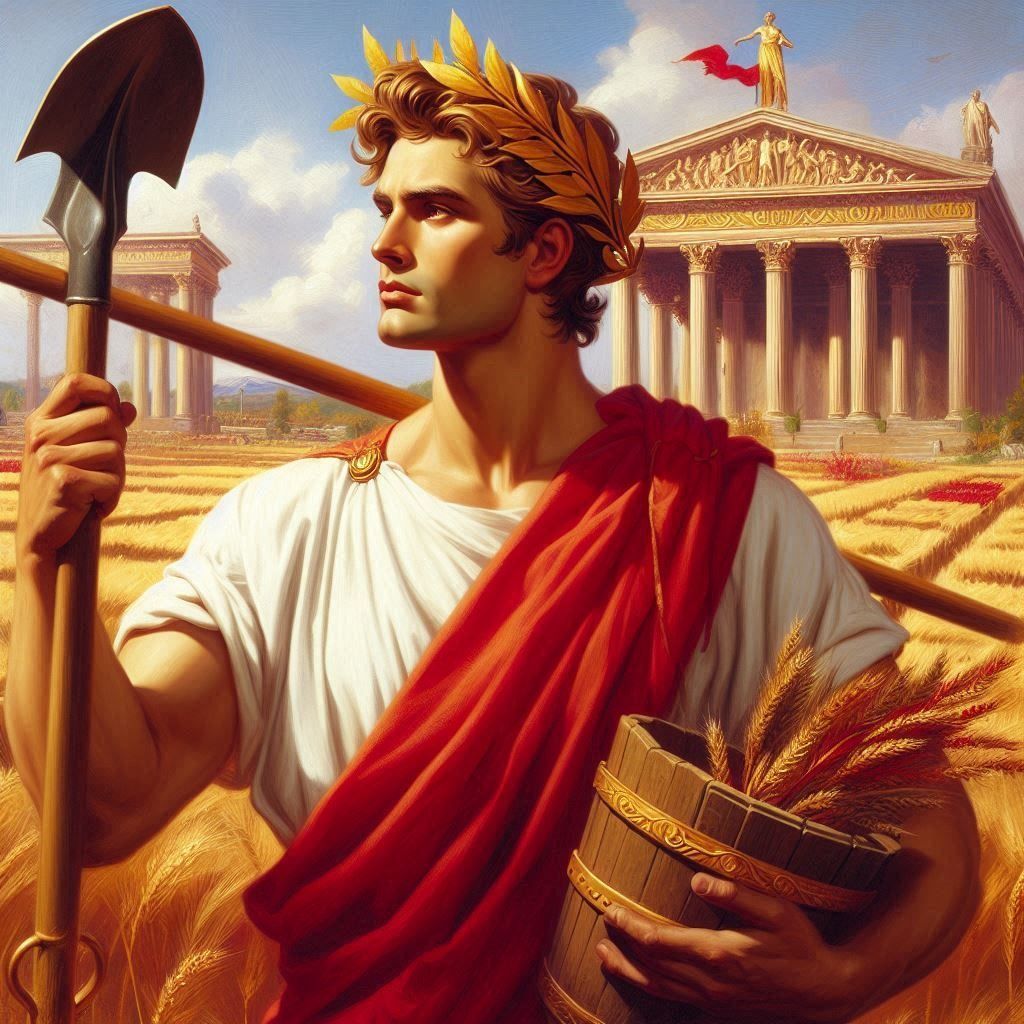
Saritor is a fascinating figure from Roman mythology, representing various aspects of the ancient Roman understanding of the divine and the natural world. In Roman culture, gods and goddesses were not only worshipped for their power but also for their connection to everyday life. Saritor, although not as widely known as other deities like Jupiter or Venus, plays a significant role in the rich tapestry of Roman beliefs. This article will explore the attributes, worship, and significance of Saritor within the broader context of Roman mythology.

The Origins of Saritor
The origins of Saritor can be traced back to the early days of Roman religion, where deities were often associated with natural phenomena and human activities. The name Saritor itself is derived from the Latin word “sarire,” which means “to sow” or “to plant.” This connection suggests that Saritor was primarily viewed as a god of agriculture, particularly related to the planting and harvesting of crops. In an agrarian society like ancient Rome, the success of the harvest was crucial for survival, making agricultural deities extremely important.
In Roman mythology, Saritor was often depicted as a young man, embodying the vitality and strength associated with the earth’s fertility. His image might include symbols like sheaves of wheat or tools related to farming, such as a plow or sickle. These symbols highlighted his role as a protector of farmers and a deity who ensured bountiful harvests. The importance of Saritor in this context reflects the Romans’ deep respect for the land and their reliance on agriculture for sustenance.
Saritor and Agriculture
Agriculture was the backbone of the Roman economy, and deities associated with farming were revered by all classes of society. Saritor, as a god of agriculture, played a vital role in this aspect of Roman life. Farmers would often pray to Saritor for favorable weather conditions, protection against pests, and the overall success of their crops. It was believed that by honoring Saritor, they could ensure a good harvest and, consequently, their families’ survival.
 Sibyl-of-cumae-
The rituals dedicated to Saritor often involved offerings of the first fruits of the harvest. Farmers would present these offerings at shrines or altars dedicated to him, seeking his blessings. This practice not only demonstrated their gratitude but also reinforced their connection to the land. The cycle of planting and harvesting was viewed as a sacred duty, and Saritor’s presence in these rituals highlighted the significance of the agricultural cycle in Roman life.
Rituals and Offerings
Rituals honoring Saritor were typically conducted during key agricultural seasons. For instance, before planting season, farmers would hold ceremonies to invoke Saritor’s favor. These rituals included various offerings and sacrifices, such as:
- Grains: Farmers would offer grains, especially wheat, which symbolized the essence of their labor.
- Wine: A common offering, wine was seen as a gift to the gods, representing joy and abundance.
- Livestock: In some cases, small animals would be sacrificed to ensure that Saritor would bless the land.
During these ceremonies, prayers were recited, and hymns sung to honor Saritor. The rituals often involved the participation of the entire community, emphasizing the collective responsibility of ensuring a good harvest. Such gatherings fostered a sense of unity among the people, as they came together to seek divine favor for their livelihoods.
 Silvanus
Saritor’s Role in Roman Festivals
Saritor was also an integral part of various Roman festivals that celebrated the agricultural cycle. These festivals were vibrant events filled with music, dance, and communal feasting. One of the most significant festivals associated with Saritor was the Robigalia, which honored the god of agriculture and the protection of crops. During this festival, Romans would make offerings to Saritor, asking for his help in warding off disease from their crops.
Another important festival was the Parilia, also known as the Shepherd’s Festival. This celebration marked the beginning of the pastoral season and included rituals to ensure the health of both crops and livestock. Saritor’s presence during these festivities underscored the importance of agriculture not just for farmers, but for the entire community, as the success of crops directly affected food supply and economic stability.
Significance of Festivals
The festivals dedicated to Saritor served several purposes:
- Cultural Identity: These celebrations reinforced Roman cultural identity, connecting the people to their agrarian roots.
- Community Bonding: The communal aspect of the festivals fostered relationships among villagers and strengthened social ties.
- Spiritual Connection: Engaging in rituals helped the Romans feel a deeper connection to their gods and the natural world.
Through these festivals, Saritor became a symbol of hope and prosperity, embodying the Romans’ desire for abundance and stability in their agricultural pursuits. His role in these celebrations highlights the significance of agriculture in Roman society and the reverence they held for their deities.
Saritor in Literature and Art
Saritor, like many Roman deities, found his way into various forms of literature and art. Although he may not be as prominently featured as other gods, references to him can be found in ancient texts that discuss agricultural practices and the importance of divine favor. Poets and writers often invoked Saritor in their works to emphasize the relationship between humans and the land, illustrating the belief that the gods directly influenced the success of farming.
In art, Saritor was sometimes depicted alongside other agricultural deities, creating a visual representation of the interconnectedness of various aspects of farming. Artistic representations often included symbols of fertility and abundance, such as ripe fruits, lush fields, and the tools of agriculture. These images served not only as decorations but also as reminders of the importance of honoring the gods who provided for the community.
Literary References
Some notable literary references to Saritor include:
- Virgil’s Georgics: This poem explores the themes of agriculture and nature, mentioning various deities, including Saritor, as essential for successful farming.
- Ovid’s Metamorphoses: In this work, Ovid discusses transformations in nature and often alludes to the divine influence on agriculture.
These literary works highlight the cultural significance of Saritor and his association with agriculture, illustrating how deeply intertwined the Romans were with their gods and the land they cultivated. Through literature and art, the legacy of Saritor continues to echo the importance of agriculture in Roman society.
Saritor and Modern Interpretations
In modern times, the figure of Saritor may not be as well-known as other Roman deities, but his legacy endures in various ways. The themes of agriculture, sustainability, and respect for nature resonate strongly in contemporary discussions about farming and environmental stewardship. Many modern agricultural practices emphasize the need to honor the land and work in harmony with nature, echoing the reverence that the Romans had for Saritor.
Additionally, the celebration of harvest festivals in various cultures can be seen as a continuation of the traditions that honored deities like Saritor. These modern festivals often incorporate elements of gratitude towards the earth and its bounty, reflecting a shared understanding of the importance of agriculture in sustaining communities.
Contemporary Relevance
The relevance of Saritor today can be observed in:
- Environmental Movements: Many environmental groups advocate for sustainable farming practices, reminiscent of the ancient respect for the land.
- Harvest Festivals: Modern harvest celebrations often include rituals that honor the earth, similar to those performed in ancient Rome.
As society grapples with issues like climate change and food security, the lessons from Roman mythology, including the reverence for deities like Saritor, can provide valuable insights into the importance of maintaining a harmonious relationship with nature.
Saritor, though not as widely recognized as other Roman deities, holds a significant place in the mythology surrounding agriculture and the natural world. His influence can be seen in the rituals, festivals, and artistic representations of ancient Rome, all of which highlight the deep connection between the Romans and their land. Today, the themes associated with Saritor continue to resonate, reminding us of the importance of respecting and nurturing our environment.