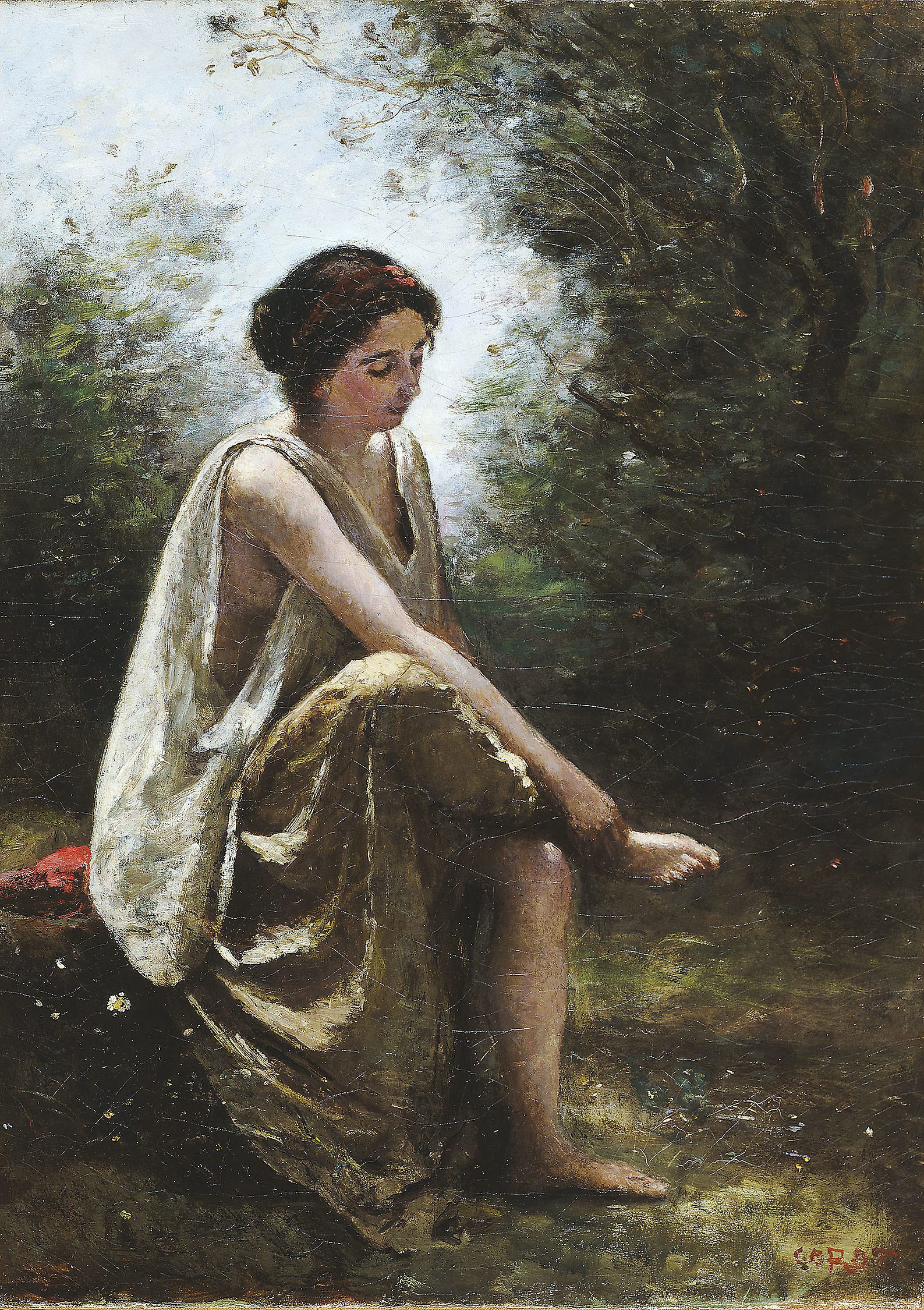
Eurydice is a captivating figure in Greek mythology, known primarily for her tragic love story with Orpheus. She embodies the themes of love, loss, and the struggle against fate. The tale of Eurydice is not just a story of romance; it also delves into the deeper aspects of human emotions and the consequences of one’s actions. As we explore her story, we will encounter various elements that highlight her significance in ancient Greek culture and literature.
The Origin of Eurydice
Eurydice was the daughter of Apollo, the god of music, arts, and prophecy. Her lineage ties her to divine heritage, which plays a crucial role in the myths surrounding her. Born into a world filled with gods and heroes, Eurydice was destined for a life intertwined with the supernatural. She is often depicted as a beautiful nymph, embodying grace and charm, which made her a figure of desire among many. Her beauty and allure were not just physical; they represented the essence of love and longing in the hearts of those who encountered her.
 Eurynome
In the myths, Eurydice’s life takes a pivotal turn when she meets Orpheus, a legendary musician known for his enchanting melodies. Their meeting was more than a chance encounter; it was a union of two souls destined to connect deeply. Orpheus was captivated by Eurydice’s beauty and spirit, and their love blossomed quickly. This part of her story emphasizes the power of love and how it can transcend the ordinary, creating a bond that feels almost celestial.
The Tragic Love Story
The love story of Eurydice and Orpheus is one of the most poignant tales in Greek mythology. After their marriage, tragedy struck when Eurydice was bitten by a venomous snake while fleeing from the advances of Aristaeus, a shepherd who desired her. This event marked the beginning of a heart-wrenching saga. Orpheus, devastated by the loss of his beloved wife, could not bear the thought of living without her. His grief was profound, and it drove him to take desperate measures.
In his sorrow, Orpheus decided to journey to the Underworld, a realm inhabited by the dead, in hopes of bringing Eurydice back to life. His descent into this dark place was not just a physical journey; it represented the emotional depths of his love and the lengths he was willing to go for Eurydice. Armed with his lyre, Orpheus played melodies so beautiful that they softened the hearts of Hades and Persephone, the rulers of the Underworld. His music moved them, and they agreed to let Eurydice return with him, but with one condition: Orpheus must not look back at her until they reached the surface.
 Eurystheus
The Journey Back
The journey back to the world of the living was filled with tension and anticipation. Orpheus led Eurydice through the dark and winding paths of the Underworld, guided by his music and the hope of reunion. As they walked, Eurydice followed him closely, her presence a reminder of the love they shared. However, the condition imposed by Hades loomed over Orpheus like a shadow. The fear of losing Eurydice again haunted him, and his resolve began to waver.
As they approached the exit, Orpheus’s heart raced with excitement and fear. The thought of leaving the Underworld with Eurydice was almost too good to be true. However, the anxiety of not knowing if she was truly behind him consumed him. In a moment of doubt and longing, he turned to look at her, forgetting the promise he made. Tragically, this moment of weakness resulted in devastating consequences. As he turned, Eurydice was pulled back into the Underworld, fading away like a dream. This moment serves as a powerful reminder of the fragility of love and the importance of trust.
The Symbolism of Eurydice
Eurydice’s story is rich with symbolism that resonates with various aspects of human experience. One of the most prominent themes is the idea of loss and the pain that accompanies it. Her life and death reflect the universal experience of losing a loved one and the struggle to cope with that loss. Orpheus’s journey symbolizes the lengths to which one will go for love, highlighting the depth of human emotion and the power of music as a form of expression.
 Euterpe
Furthermore, Eurydice represents the duality of life and death. Her connection to the Underworld emphasizes the thin line between the two realms. The tale serves as a reminder of the inevitability of death and the transient nature of life. In many interpretations, Eurydice’s character is seen as a muse, inspiring artists and musicians throughout history. Her story has been retold in various forms of art, from literature to opera, illustrating the timelessness of her narrative.
The Legacy of Eurydice in Literature and Art
The influence of Eurydice extends far beyond ancient Greek mythology. Her story has inspired countless works of art, literature, and music throughout the ages. One of the most notable adaptations is the opera “Orfeo ed Euridice” by Christoph Willibald Gluck, which brings their tragic love story to life through powerful music and dramatic storytelling. This opera emphasizes the emotional depth of their relationship and the profound loss experienced by Orpheus.
In literature, Eurydice has been portrayed in various forms, from classic poetry to modern novels. Her character often serves as a symbol of unfulfilled love and the consequences of choices made in moments of weakness. Writers have drawn upon her story to explore themes of longing, sacrifice, and the struggle against fate. The rich emotional landscape of Eurydice’s tale continues to resonate with readers, making her a timeless figure in storytelling.
Eurydice in Modern Interpretations
In contemporary culture, the story of Eurydice has been reimagined in various ways, reflecting modern themes and issues. Artists, filmmakers, and musicians have taken inspiration from her narrative, often focusing on the themes of empowerment and resilience. In some interpretations, Eurydice is portrayed not just as a victim of circumstance but as a figure who embodies strength and agency. This shift in perspective allows for a more nuanced understanding of her character, highlighting the complexities of love and loss.
Moreover, Eurydice’s story has been used as a metaphor for the struggles faced by women in society. Her experiences can be seen as a reflection of the challenges women encounter in their relationships and the societal expectations placed upon them. By exploring Eurydice’s character through a modern lens, creators are able to connect her story to contemporary issues, making it relevant to today’s audiences.
The Cultural Impact of Eurydice
The cultural impact of Eurydice is significant, as her story has transcended time and geography. In various cultures, elements of her narrative can be found, showcasing the universal themes of love, loss, and the quest for redemption. Her tale has inspired countless artists, musicians, and writers, leading to a rich tapestry of interpretations that continue to evolve. The enduring nature of her story speaks to the power of myth in shaping human experience and understanding.
Additionally, Eurydice’s narrative has influenced philosophical discussions about the nature of love and the human condition. Scholars have explored her story in the context of existentialism, examining the themes of choice, fate, and the search for meaning in life. This intellectual engagement with her character demonstrates the depth of her significance, as she serves as a lens through which we can explore fundamental questions about existence and relationships.
Conclusion of Eurydice’s Story
The tale of Eurydice remains a powerful narrative within Greek mythology, capturing the hearts of those who encounter it. Her story reflects the complexities of love and the profound impact of loss, making it a timeless exploration of human emotions. Eurydice’s legacy continues to thrive in modern culture, serving as a source of inspiration and reflection for generations to come. As we delve deeper into her story, we find not only a tragic love tale but also a profound commentary on the nature of life, death, and the enduring power of love.