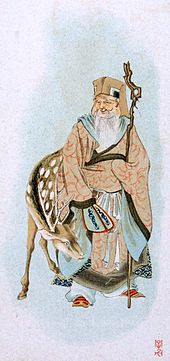
Jurojin is one of the prominent figures in Japanese mythology, specifically associated with the Seven Lucky Gods or Shichifukujin. He is known as the god of longevity and wisdom, often depicted as an elderly man with a long beard and a jovial demeanor. Jurojin is believed to bring good fortune and a long life to those who honor him. His origins can be traced back to various influences, including Buddhism, Taoism, and indigenous Japanese beliefs. Understanding Jurojin and his significance provides insight into the cultural values surrounding age, wisdom, and the appreciation of life.
Origins of Jurojin
The origins of Jurojin are a blend of different cultural influences that have shaped his character over centuries. His figure is often associated with the Chinese deity Shou Lao, who represents longevity and is frequently depicted with a peach, a symbol of immortality. This connection highlights the influence of Chinese mythology on Japanese traditions. Jurojin is often shown carrying a staff and accompanied by a deer, which symbolizes wisdom and longevity. These elements reflect the deeper philosophical ideas regarding the passage of time and the virtues associated with aging.
 Jo
JoIn Japan, Jurojin is sometimes portrayed as a wandering hermit who possesses great knowledge and understanding of the world. His character embodies the qualities of wisdom that come with age, making him a revered figure among the elderly. The image of Jurojin is often used in art and literature to convey messages about the importance of respecting and learning from older generations. This aspect of his character resonates with the Japanese value of filial piety, which emphasizes respect for one’s parents and ancestors.
Symbolism and Attributes
Jurojin is rich in symbolism, which enhances his significance in Japanese culture. His long beard and serene expression represent the wisdom that comes with age, while his clothing, often depicted as a flowing robe, symbolizes the spiritual journey one undertakes throughout life. Additionally, he is frequently seen with a scroll or a book, emphasizing the importance of knowledge and learning. These attributes serve to remind people of the value of education and the pursuit of wisdom throughout their lives.
One of the most notable symbols associated with Jurojin is the peach. In many cultures, peaches are linked to longevity and immortality. In Japanese folklore, the peach is believed to grant long life and happiness to those who consume it. This connection further solidifies Jurojin’s role as the deity of longevity. Additionally, the deer that accompanies him symbolizes gentleness and a peaceful spirit, reinforcing the idea that wisdom is often found in tranquility and reflection.
 Izanami
Jurojin in Art and Literature
Throughout Japanese history, Jurojin has been a popular subject in various forms of art and literature. Artists often depict him alongside other Seven Lucky Gods, celebrating their shared attributes of prosperity and happiness. Traditional paintings, known as ukiyo-e, frequently showcase Jurojin in vibrant colors and dynamic poses, emphasizing his joyful and benevolent nature. These artworks not only serve as decorations but also as cultural artifacts that convey the beliefs and values of the time.
In literature, Jurojin appears in numerous folktales and stories that highlight his wisdom and the lessons he imparts. These narratives often feature encounters with other characters who seek his guidance, showcasing the importance of seeking knowledge and understanding. Jurojin’s tales emphasize themes such as patience, humility, and the importance of cherishing life’s experiences. Through these stories, audiences learn to appreciate the insights that come with age and the value of listening to the wisdom of others.
Jurojin’s Role in Festivals and Celebrations
Jurojin plays a significant role in various Japanese festivals and celebrations. One of the most notable events is the New Year celebrations, where images and figurines of Jurojin are displayed in homes to invite good fortune and longevity for the coming year. Families often prepare special meals and offerings to honor him, believing that doing so will attract his blessings. The presence of Jurojin during these festivities underscores the cultural emphasis on health and well-being as people enter a new year.
 Izanagi
During the Shichi-Go-San festival, which celebrates the growth of children aged three, five, and seven, Jurojin’s influence is also evident. Families visit shrines to pray for their children’s health and longevity, often including Jurojin among the deities they honor. This practice highlights the community’s desire to protect and nurture future generations, linking Jurojin’s symbolism of longevity with the hopes parents have for their children’s lives.
Jurojin’s Influence on Modern Culture
In contemporary Japan, Jurojin continues to hold significance, particularly in the realms of art and popular culture. His image is frequently used in modern media, including manga, anime, and video games. These representations often maintain the traditional attributes associated with Jurojin, such as wisdom and longevity, while also adapting his character to fit modern narratives. This blending of old and new illustrates the enduring relevance of Jurojin in Japanese society.
Moreover, Jurojin’s themes of longevity and health resonate with current societal interests in wellness and self-care. As people become increasingly aware of the importance of mental and physical health, the lessons embodied by Jurojin are more relevant than ever. His figure serves as a reminder to prioritize well-being and seek knowledge, encouraging individuals to lead fulfilling and meaningful lives.
Conclusion: The Enduring Legacy of Jurojin
As one of the Seven Lucky Gods, Jurojin’s legacy endures in various aspects of Japanese culture. His attributes of wisdom, longevity, and good fortune are celebrated and revered, reflecting the values that Japanese society holds dear. Through art, literature, and festivals, Jurojin’s presence continues to influence the lives of many, serving as a symbol of the wisdom that comes with age and the importance of living a life filled with purpose and gratitude.