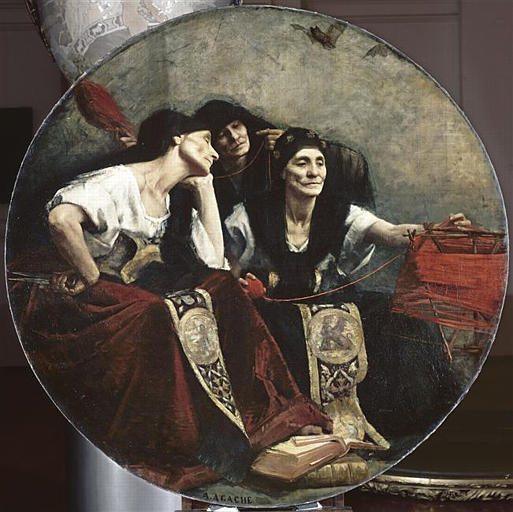
Parcae, also known as the Fates, are significant figures in Roman mythology. They are often associated with the concept of destiny and the inevitability of fate. The Parcae are a trio of sisters who govern the life and death of individuals. Their roles are vital to understanding how the Romans perceived life’s journey and the forces that guide it. The names of these sisters are Clotho, Lachesis, and Atropos. Each sister has a unique role in the tapestry of life, weaving the threads of destiny for every individual.
The Sisters of Fate
The three sisters of the Parcae each have distinct responsibilities. Clotho, the youngest sister, is often depicted spinning the thread of life. She represents the beginning of existence, where every person’s life is initiated. Clotho is responsible for determining when a person is born, as well as the circumstances surrounding that birth. The act of spinning the thread symbolizes the start of life, filled with potential and possibilities. Her role is crucial because it sets the stage for everything that follows.
 Pax
PaxLachesis, the middle sister, has the task of measuring the thread. She decides the length of life for each individual, determining how long one will live. Lachesis is often depicted with a measuring rod or a scroll, symbolizing her ability to assess and quantify the life span. This aspect of her role emphasizes the idea that life has a predetermined length, and it is not something that can be altered. Her measurements are final, and once determined, they cannot be changed.
The eldest sister, Atropos, is the one who cuts the thread of life. This act signifies death, the end of existence for an individual. Atropos is often portrayed with scissors or a knife, ready to sever the thread when the time comes. Her role is perhaps the most feared, as it represents the inevitability of death. In Roman culture, death was seen as a natural part of life, but Atropos’s presence serves as a reminder of the ultimate fate that awaits everyone.
 Phoebus
The Symbolism of the Parcae
The Parcae are rich in symbolism, representing the complex nature of fate and destiny. They embody the idea that life is a tapestry woven from various threads, each representing different experiences and choices. Clotho, Lachesis, and Atropos together illustrate the journey from birth to death, emphasizing that every moment is interconnected. This symbolism is essential in understanding the Roman worldview, where fate is often seen as a guiding force.
In addition to their roles in life and death, the Parcae also symbolize the concept of free will versus predestination. While the sisters determine the threads of life, individuals still have the power to make choices within those parameters. This duality highlights the belief that although fate plays a significant role, personal decisions can influence one’s path. The Parcae remind us that while we may not control the beginning or end, we can navigate the journey in between.
The Parcae also represent the inevitability of fate. No matter how much one may try to change their destiny, the threads that Clotho spins, measured by Lachesis, and cut by Atropos, are ultimately beyond individual control. This idea is both comforting and unsettling, as it suggests a higher power governing the course of life. Romans often turned to the Parcae in times of uncertainty, seeking understanding and acceptance of their fate.
 Picus
PicusThe Parcae in Roman Culture
The Parcae held a significant place in Roman culture and religion. They were often invoked during important life events, such as births, marriages, and deaths. Romans believed that by honoring the Parcae, they could gain favor and perhaps a more favorable fate. Rituals and offerings were common, as individuals sought to appease these powerful sisters. This practice underscores the deep respect the Romans had for the concept of fate and the forces that govern it.
In art and literature, the Parcae were frequently depicted in various forms. Artists often illustrated them in ways that highlighted their unique roles. For example, Clotho might be shown spinning a colorful thread, while Lachesis measures it with a careful eye. Atropos, in contrast, may be depicted with a somber expression, reflecting the gravity of her role. These representations helped to reinforce their significance in the Roman imagination, making them relatable figures in the human experience.
The Parcae were also intertwined with other mythological figures in Roman tales. They often appeared alongside gods and goddesses, emphasizing their importance in the larger narrative of Roman mythology. For instance, they were sometimes depicted in stories involving Jupiter, the king of the gods, highlighting the balance between divine power and the inevitability of fate. This interconnectedness illustrates how the Parcae fit into the broader tapestry of Roman beliefs.
The Influence of the Parcae on Literature and Art
The influence of the Parcae extends beyond Roman mythology and into literature and art throughout history. Many writers and artists have drawn inspiration from these figures, exploring themes of fate, free will, and the human condition. The Parcae have appeared in various works, ranging from ancient texts to modern literature, showcasing their enduring relevance. Their presence serves as a reminder of the timeless questions surrounding destiny and existence.
In classical literature, the Parcae are often referenced in works by notable authors such as Virgil and Ovid. These writers explored the relationship between the Parcae and the gods, highlighting the tension between divine will and human agency. Their writings delve into the complexities of fate, portraying the Parcae as both powerful and impartial. This exploration of fate has resonated with readers throughout the ages, prompting reflection on the nature of life and death.
In art, the Parcae have been depicted in various forms, from sculptures to paintings. Artists have captured their essence in ways that evoke emotion and contemplation. For instance, Michelangelo and other Renaissance artists portrayed the Parcae in their works, often emphasizing their roles in the cycle of life. These artistic representations serve to immortalize the Parcae, ensuring that their legacy endures in the cultural consciousness.
The Parcae and Modern Interpretations
In contemporary culture, the Parcae continue to influence how we think about fate and destiny. Their story resonates with modern audiences, prompting discussions about the balance between free will and predestination. Many people find comfort in the idea that while life is uncertain, there are forces at play that guide our journeys. This perspective encourages individuals to reflect on their choices and the paths they take.
Moreover, the Parcae have inspired various forms of media, including films, books, and television shows. Their themes of fate and the human experience are often explored in storytelling, allowing audiences to connect with these ancient figures in new and meaningful ways. The Parcae’s influence can be seen in narratives that delve into the consequences of choices, the nature of life, and the inevitability of death.
In philosophy, the Parcae serve as a point of reference for discussions about determinism and free will. Scholars often debate the implications of their roles in shaping human destiny, examining how much control individuals truly have over their lives. This ongoing dialogue reflects the enduring fascination with the concept of fate and the ways it intersects with human agency.
The Legacy of the Parcae
The legacy of the Parcae is profound, as they continue to be a source of inspiration and contemplation in various fields. Their story speaks to the universal human experience, addressing the questions and challenges that arise throughout life. The Parcae remind us that while we may not control our destinies, we can navigate our paths with intention and purpose. This legacy encourages individuals to embrace their journeys, recognizing the beauty and complexity of existence.
In education, the Parcae are often studied in the context of mythology and literature. Their roles and symbolism provide valuable insights into ancient Roman beliefs and values. By examining the Parcae, students gain a deeper understanding of how cultures interpret fate and destiny, fostering critical thinking and discussion. This exploration of mythology enriches the learning experience, allowing individuals to connect with history in meaningful ways.
As we reflect on the Parcae and their significance, it becomes clear that they are more than mere figures of mythology. They embody the complexities of life, reminding us of the interplay between fate and free will. Their enduring legacy continues to resonate, inviting individuals to explore their own paths and the forces that shape their destinies. The Parcae remain a powerful symbol of the human experience, encouraging reflection on the nature of existence and the threads that connect us all.