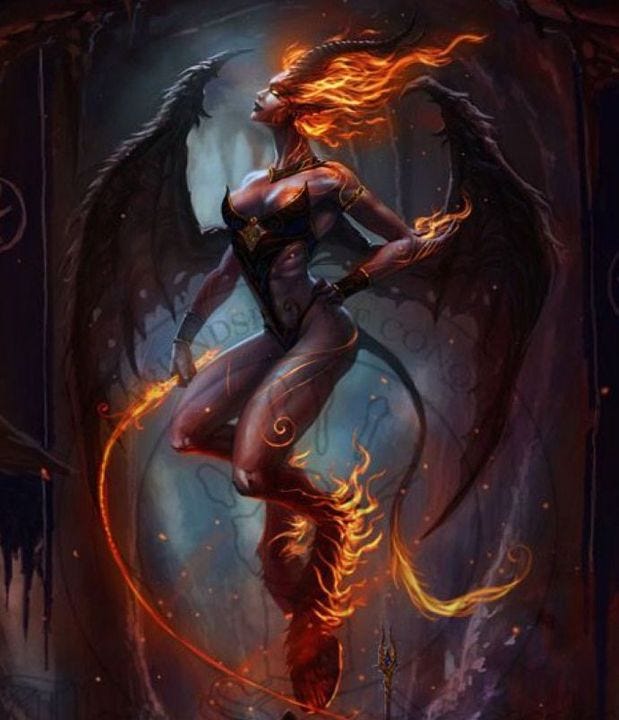
In Greek mythology, the Empusa is a fascinating creature that has captured the imagination of many. Known for its supernatural abilities and eerie presence, the Empusa is often depicted as a female demon who preys on unsuspecting victims. This entity is closely associated with the goddess Hecate, the goddess of magic, witchcraft, and the night. The Empusa is said to be a shape-shifter, able to transform into various forms to lure its prey. This ability makes it particularly dangerous and intriguing, as it can appear as a beautiful woman or a terrifying monster.
Origins of the Empusa
The origins of the Empusa can be traced back to ancient Greek literature and folklore. It is first mentioned in the works of Herodotus, who described it as a creature that could change its shape and had a thirst for blood. The Empusa is often associated with the Underworld and is believed to serve Hecate, who is known for her connection to the dead and the supernatural. This relationship with Hecate adds an additional layer of darkness to the Empusa’s character, as it is seen as an extension of the goddess’s power.
 Poseidon
In many tales, the Empusa is described as having a single leg made of brass and another made of a donkey’s foot. This unusual physical trait sets it apart from other mythological creatures and emphasizes its otherworldly nature. The Empusa is also often depicted as having long hair and glowing eyes, which contribute to its frightening appearance. These characteristics not only make it a memorable figure in Greek mythology but also serve to highlight the fears and superstitions of ancient Greek society regarding the supernatural.
Characteristics and Abilities
The Empusa possesses a range of characteristics and abilities that make it a formidable foe. One of its most notable traits is its shape-shifting ability, allowing it to take on the appearance of a beautiful woman. This transformation is often used to attract and seduce young men, luring them into a false sense of security before revealing its true nature. This deceptive ability underscores the theme of illusion in Greek mythology, where appearances can be misleading and danger often lurks beneath the surface.
In addition to its shape-shifting skills, the Empusa is also known for its vampiric tendencies. It is said to feed on the blood of its victims, which adds to its fearsome reputation. The act of preying on the vulnerable reflects broader themes in mythology about the struggle between good and evil, as well as the consequences of succumbing to temptation. The Empusa’s predatory nature serves as a cautionary tale, warning individuals to be wary of those who may not be what they seem.
 Enyo
EnyoEmpusa in Literature and Art
The Empusa has appeared in various forms of literature and art throughout history, further cementing its place in Greek mythology. One of the most famous literary references to the Empusa can be found in the works of the ancient playwright Aeschylus. In his play “The Eumenides,” he mentions the Empusa as a fearsome creature associated with the Furies, who were also known for their terrifying appearance and relentless pursuit of wrongdoers. This connection between the Empusa and the Furies highlights the theme of retribution in Greek mythology.
In addition to literature, the Empusa has also been depicted in various forms of art. Ancient Greek pottery often features scenes of mythical creatures, and the Empusa is no exception. These artistic representations typically emphasize its supernatural traits, showcasing its ability to transform and its fearsome appearance. Such depictions serve not only as a reflection of the mythology surrounding the Empusa but also as a way to convey the cultural fears and beliefs of ancient Greek society.
Symbolism of the Empusa
The Empusa carries significant symbolism within Greek mythology. As a creature that embodies deception and danger, it represents the darker aspects of human nature. The Empusa’s ability to disguise itself as a beautiful woman symbolizes the idea that not everything that appears attractive is inherently good. This theme resonates throughout many mythological stories, where characters often face challenges that test their judgment and morality.
 Eos
EosFurthermore, the Empusa can be seen as a representation of the feminine aspect of danger and seduction. In many cultures, women have historically been portrayed as both nurturing and perilous, embodying the duality of creation and destruction. The Empusa’s predatory nature highlights the fears associated with female power and sexuality, making it a complex figure within the mythological landscape.
Empusa in Modern Culture
Despite being a figure from ancient mythology, the Empusa has found its way into modern culture. References to the Empusa can be seen in various forms of media, including literature, film, and even video games. These modern interpretations often draw on the creature’s shape-shifting abilities and vampiric tendencies, adapting them to fit contemporary narratives. This continued fascination with the Empusa reflects the enduring nature of myth and its ability to evolve over time.
In literature, authors have reimagined the Empusa in different contexts, often exploring themes of identity and transformation. In some stories, the Empusa is portrayed as a tragic figure, struggling with its dual nature and the consequences of its actions. This approach adds depth to the character, allowing for a more nuanced exploration of the themes surrounding the Empusa.
Empusa in Folklore and Beliefs
The Empusa’s influence extends beyond mythology and literature into the realm of folklore and popular beliefs. In some cultures, the concept of the Empusa has evolved into tales of ghosts or spirits that haunt the living. These stories often share similarities with the original myth, emphasizing the idea of a dangerous female entity that preys on the unsuspecting. This transformation of the Empusa into a ghostly figure illustrates the adaptability of myth and its ability to resonate with different cultural contexts.
Additionally, the Empusa has been linked to various superstitions and beliefs about the supernatural. In some regions, it is said that encountering an Empusa or a similar spirit can bring misfortune or even death. Such beliefs reflect the deep-seated fears of the unknown that have persisted throughout human history. These superstitions serve as a reminder of the power of myth and its role in shaping cultural narratives.
The Empusa is a captivating figure in Greek mythology, embodying themes of deception, danger, and the complexities of human nature. Its origins, characteristics, and enduring presence in modern culture highlight the significance of this creature within the mythological canon. As we continue to explore the stories and symbols associated with the Empusa, we gain a deeper understanding of the cultural fears and beliefs that have shaped our understanding of the supernatural.