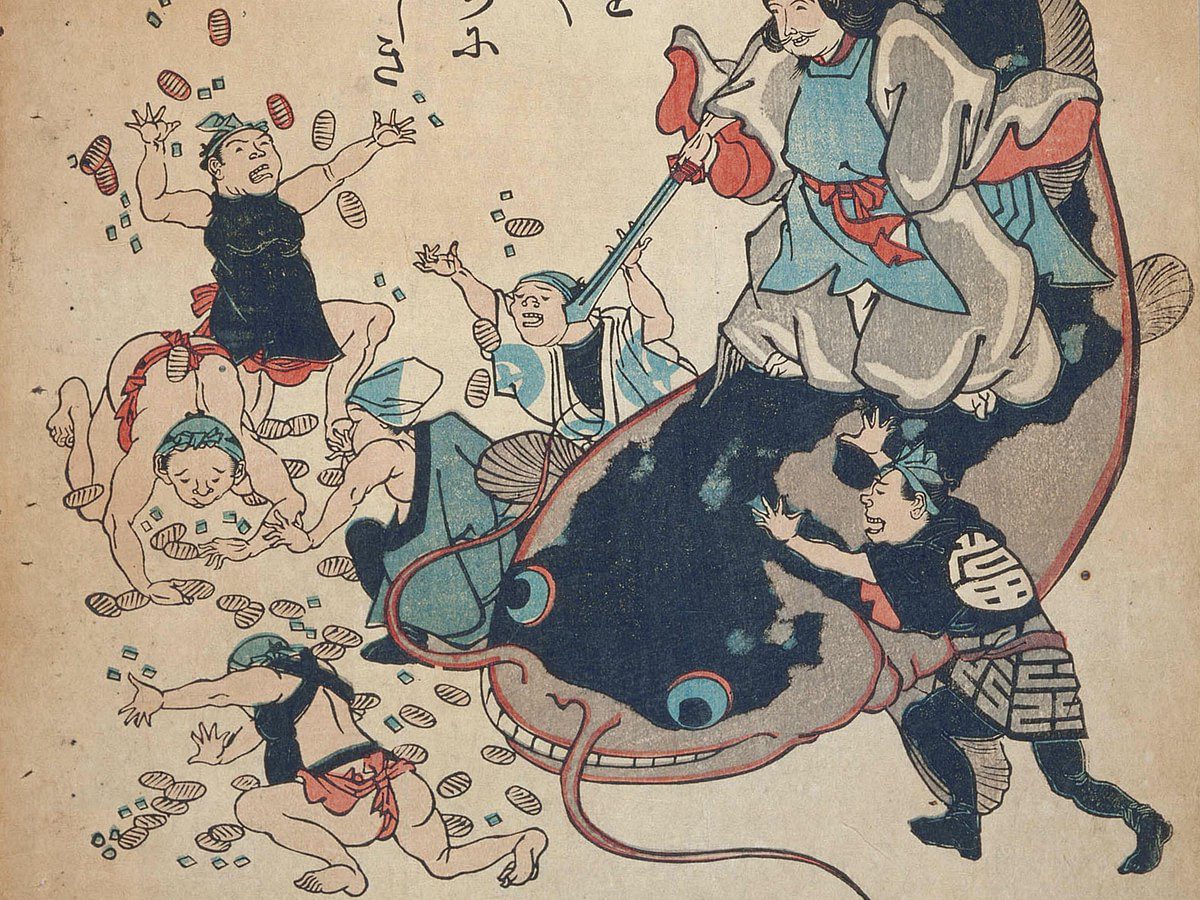
Nai-no-kami is a significant figure in Japanese mythology, representing various aspects of nature and spirituality. This deity is often associated with the protection of agriculture and the harvest, playing a vital role in the lives of those who depend on the land for their sustenance. The origins and stories surrounding Nai-no-kami are rich and complex, reflecting the deep connection that the Japanese people have with their environment. Understanding Nai-no-kami involves exploring the various legends, cultural practices, and the broader context of Japanese mythology.
The Origins of Nai-no-kami
The origins of Nai-no-kami can be traced back to ancient Japanese beliefs that emphasized the importance of nature and its deities. In the early days of Japanese culture, people worshipped various kami, or spirits, that resided in natural elements like mountains, rivers, and trees. Nai-no-kami emerged as a protector of rice fields and agriculture, which were crucial for survival. This connection to the land highlights the deep respect that the Japanese have for nature and its resources.
 Musubi-no-kami
In the context of Shinto, the indigenous religion of Japan, Nai-no-kami is often depicted as a guardian spirit who oversees agricultural practices. This deity symbolizes the harmony between humans and nature, emphasizing the belief that the land must be treated with care and respect. The stories of Nai-no-kami often involve rituals and festivals that honor the deity, showcasing the agricultural calendar’s importance in Japanese culture.
Nai-no-kami in Folklore
Numerous tales and legends feature Nai-no-kami, illustrating the deity’s significance in Japanese folklore. One common story involves a farmer who, after a successful harvest, decides to pay homage to Nai-no-kami by creating a small shrine in his rice field. This act of devotion is believed to ensure future bountiful harvests. The story emphasizes the reciprocal relationship between humans and the kami, where gratitude and respect lead to prosperity.
Another popular legend tells of a drought that affected a village. The villagers prayed to Nai-no-kami for rain, performing rituals and offerings to appease the deity. Eventually, their prayers were answered, and rain fell, saving their crops. This narrative reflects the reliance of the Japanese people on agricultural deities and the belief that their well-being is closely tied to the favor of these spirits.
 Moshiri Ikkewe Chep
Key Elements of Nai-no-kami’s Legends
- Protection of Crops: Nai-no-kami is often invoked for the protection and fertility of rice fields.
- Rituals and Offerings: Villagers perform various rituals to honor the deity, especially during planting and harvest seasons.
- Reciprocal Relationship: The stories emphasize a mutual respect between humans and kami, where devotion leads to blessings.
Cultural Practices Surrounding Nai-no-kami
Cultural practices related to Nai-no-kami are deeply embedded in Japanese society. One of the most notable practices is the rice planting festival, known as “taue,” which takes place in the spring. During this festival, communities come together to plant rice, celebrating the beginning of the agricultural season. The rituals performed during this time often include offerings to Nai-no-kami, seeking blessings for a fruitful harvest.
In addition to the rice planting festival, there are other rituals dedicated to Nai-no-kami. These may include purification ceremonies, where participants cleanse themselves before approaching the rice fields. This purification is symbolic of the need to approach the kami with a pure heart and mind, showing respect for the spirit that governs the land.
Significant Festivals
- Taue Matsuri: A festival celebrating the rice planting season with rituals and offerings to Nai-no-kami.
- Inaho Matsuri: A harvest festival that includes parades and performances to honor the deity.
- Oni Matsuri: A festival where people dress as demons to scare away evil spirits, ensuring a safe harvest.
The Symbolism of Nai-no-kami
Nai-no-kami symbolizes the vital connection between nature and human life. The deity embodies the essence of agriculture, representing the cycles of planting, growth, and harvest. This symbolism is crucial in a culture that has historically depended on farming for survival. The reverence for Nai-no-kami illustrates the importance of respecting the land and its resources, as well as understanding the delicate balance between human needs and environmental sustainability.
 Momotaro
Moreover, Nai-no-kami represents the idea of interdependence in nature. The stories surrounding this deity often highlight how the well-being of the community is tied to the health of the land. This concept encourages sustainable practices and a deep respect for the environment, reminding people that their actions have consequences for future generations.
Nai-no-kami in Modern Context
In contemporary Japan, the influence of Nai-no-kami can still be seen in various agricultural practices and festivals. While modern farming techniques have changed, many farmers continue to honor the traditions associated with Nai-no-kami. This includes maintaining small shrines in rice fields and participating in seasonal festivals that celebrate the agricultural calendar. Such practices serve as a reminder of the cultural heritage and the importance of maintaining a connection to the land.
Additionally, the principles embodied by Nai-no-kami resonate with the modern movement towards sustainability. As people become more aware of environmental issues, the teachings of respecting nature and living in harmony with the land are increasingly relevant. Nai-no-kami’s message encourages individuals and communities to reflect on their relationship with nature and take steps towards more sustainable practices.
Art and Representation of Nai-no-kami
Nai-no-kami has been represented in various forms of art throughout Japanese history. Traditional paintings, sculptures, and even contemporary installations often depict the deity in relation to rice fields and nature. These representations serve not only as a form of artistic expression but also as a way to keep the stories and significance of Nai-no-kami alive in the cultural consciousness.
In literature, Nai-no-kami is often referenced in poems and stories that celebrate the beauty of nature and the changing seasons. The imagery associated with this deity frequently evokes feelings of gratitude and reverence for the natural world. Such artistic expressions play a crucial role in passing down the cultural values associated with Nai-no-kami to future generations.
Forms of Artistic Representation
- Traditional Paintings: Often depict agricultural scenes with Nai-no-kami overseeing the harvest.
- Sculptures: Created for shrines and festivals, representing the deity’s connection to the land.
- Literature: Poems and stories that explore themes of nature, agriculture, and spirituality often reference Nai-no-kami.
Comparative Analysis with Other Deities
Nai-no-kami shares similarities with other agricultural deities found in different cultures around the world. For instance, in Greek mythology, Demeter is the goddess of the harvest, representing the same themes of fertility and agriculture. Like Nai-no-kami, Demeter’s story emphasizes the importance of the changing seasons and the cycles of life. Both deities serve as symbols of the bond between humans and the land, highlighting the necessity of respect for nature.
Similarly, in Native American traditions, there are various earth spirits and deities that oversee agricultural practices and ensure the fertility of the land. These figures often embody the values of gratitude and reciprocity, much like the stories of Nai-no-kami. This comparative analysis reveals a universal theme in human culture: the need to honor and respect the forces of nature that sustain life.
The Role of Nai-no-kami in Spiritual Practices
Nai-no-kami plays a significant role in the spiritual practices of many Japanese people. The rituals and offerings dedicated to this deity are not only about seeking blessings for crops but also about fostering a deeper connection to the land. Many individuals engage in practices that honor Nai-no-kami as a way to express their gratitude for the resources provided by nature. This spiritual connection can be seen in daily life, as people often take time to appreciate the beauty of their surroundings.
Furthermore, the teachings associated with Nai-no-kami encourage mindfulness and awareness of one’s impact on the environment. By acknowledging the presence of this deity in their lives, individuals are reminded of their responsibility to protect and care for the land. This spiritual practice fosters a sense of community, as people come together to honor the same values and beliefs related to agriculture and nature.
The Future of Nai-no-kami in Japanese Culture
As Japan continues to modernize, the role of Nai-no-kami and the associated cultural practices may evolve. However, the fundamental values of respect for nature and the importance of agriculture will likely remain relevant. As environmental issues become more pressing, the teachings of Nai-no-kami can serve as a guiding principle for sustainable living and community building.
In addition, younger generations are beginning to explore their cultural heritage, seeking to understand the significance of traditional beliefs in a modern context. This renewed interest in figures like Nai-no-kami may lead to a resurgence of festivals and rituals that honor the deity, ensuring that the stories and teachings continue to be passed down. The future of Nai-no-kami in Japanese culture will depend on the collective effort to preserve and celebrate these traditions.