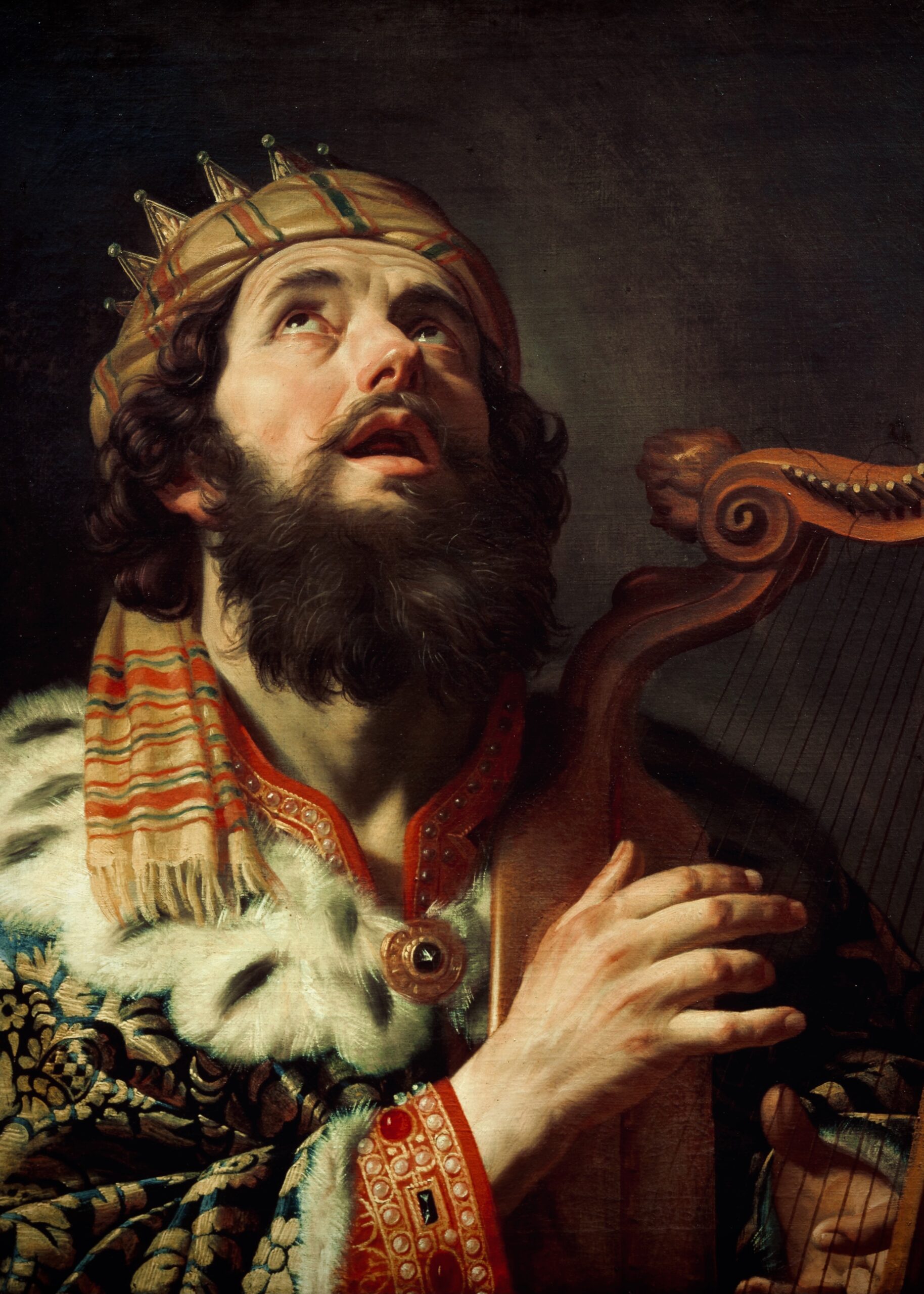
St. David, known as San David in Spanish, is the patron saint of Wales and a significant figure in Christian mythology. He is celebrated for his teachings, miracles, and the establishment of monastic communities. The legacy of St. David is deeply rooted in Welsh culture and history, making him a revered figure among the Welsh people. His feast day, celebrated on March 1st, is a national holiday in Wales, where people honor his life and contributions to Christianity. The story of St. David is filled with spiritual significance and cultural importance, showcasing his role as a leader and a beacon of faith.
The Life of St. David
St. David was born in the 6th century, likely around the year 500, in the region of Pembrokeshire, Wales. His mother, St. Non, was said to have been a nun, and his father, King Sandde, was a local chieftain. According to legend, his birth was miraculous; it is said that Non gave birth to him during a storm, and a bright light shone over them. This miraculous event foreshadowed the great deeds that David would accomplish in his lifetime. He was raised in a devout environment, which played a significant role in shaping his spiritual path and commitment to God.
 St. Damien Of Molokai
David’s early life was marked by a strong sense of devotion and a desire to serve God. He became a monk and studied under the guidance of a famous teacher named Abbot Paulinus. During this time, David developed a reputation for his piety and wisdom. He later founded a monastic community at Glyn Rhosyn, which is now known as Glastonbury. This community became a center for learning and spirituality, attracting many followers who sought to learn from David’s teachings.
Miracles and Teachings
St. David is often associated with numerous miracles that reflect his deep faith and connection to God. One of the most famous miracles attributed to him is the incident where he preached to a large crowd while standing on a hill. As he spoke, the ground beneath him rose, creating a natural amphitheater that allowed his voice to carry. This miracle not only showcased his divine favor but also emphasized the importance of spreading the message of Christianity to all people.
David’s teachings focused on humility, compassion, and the importance of living a simple life devoted to God. He emphasized the need for self-discipline and encouraged his followers to engage in prayer and fasting. His monastic community was known for its strict adherence to these principles, which helped cultivate a strong sense of spirituality among its members. David’s commitment to a life of service and devotion inspired many to follow in his footsteps, and his teachings continue to resonate with Christians today.
 St. Damian
Key Teachings of St. David
- Humility: David taught that true greatness comes from serving others and being humble before God.
- Faith: He emphasized the importance of having unwavering faith in God, even in the face of adversity.
- Compassion: David encouraged his followers to show kindness and compassion to all living beings.
- Prayer: He believed in the power of prayer and taught that it should be an integral part of daily life.
Another notable miracle attributed to St. David involved the healing of the blind. It is said that he healed a blind man simply by laying his hands on him and praying. This miracle not only demonstrated David’s divine gifts but also highlighted his role as a healer and protector of the vulnerable. His actions inspired many to believe in the power of faith and the possibility of miracles in their own lives.
St. David’s Monastic Community
The monastic community founded by St. David became one of the most significant religious centers in medieval Wales. Known as Gwynfryn, it attracted monks from various regions who sought to live a life of devotion and study under David’s guidance. The community was characterized by its strict rules and a focus on prayer, work, and education. Monks lived a simple life, dedicating themselves to God and serving the local community.
In addition to spiritual growth, the monastic community played a vital role in preserving knowledge and culture during a time of great upheaval in Europe. The monks copied texts, wrote religious manuscripts, and educated the young. They were instrumental in spreading Christianity throughout Wales and beyond. The influence of St. David’s teachings and the monastic lifestyle contributed to the growth of Christian communities in the region.
 St. Damasus I
Daily Life in the Monastery
- Prayer and Worship: The monks engaged in daily prayers and worship services, often following a strict schedule.
- Work: Manual labor was an essential part of monastic life, with monks tending to the land and producing food for the community.
- Study: Education was emphasized, with monks studying scripture and other religious texts.
- Community Service: The monastery served as a refuge for the poor and needy, reflecting David’s teachings on compassion.
St. David’s monastic community also became known for its commitment to environmental stewardship. The monks practiced sustainable farming methods, ensuring that they lived in harmony with nature. They believed that caring for the earth was a reflection of their devotion to God. This aspect of their lifestyle is particularly relevant today, as the world grapples with environmental challenges.
The Legacy of St. David
St. David’s impact on Christianity and Welsh culture is profound and enduring. His teachings and miracles continue to inspire people around the world. Many churches and cathedrals are dedicated to him, and his influence can be seen in various aspects of Welsh culture, including literature, art, and music. The St. David’s Day celebrations on March 1st are a testament to his lasting legacy, where people wear daffodils and leeks, symbols of Wales, to honor their patron saint.
In addition to his cultural significance, St. David is also recognized by the wider Christian community. His life and teachings are celebrated in various Christian traditions, and he is often invoked in prayers for guidance and strength. The Church of England and the Roman Catholic Church both commemorate St. David, acknowledging his contributions to the faith and the importance of his message.
Commemorations and Celebrations
- St. David’s Day: Celebrated on March 1st with parades, music, and traditional Welsh foods.
- Church Services: Special services are held in churches dedicated to St. David, focusing on his teachings.
- Educational Programs: Schools often hold programs to teach students about St. David’s life and legacy.
- Cultural Events: Festivals celebrating Welsh culture often include tributes to St. David.
St. David’s legacy also extends to modern times through various organizations and movements that promote Welsh culture and heritage. His life serves as a reminder of the importance of faith, community, and environmental stewardship. As people continue to seek inspiration from his teachings, St. David remains a figure of hope and guidance in a world that often feels chaotic and uncertain.
St. David’s Influence on Welsh Identity
St. David is not just a religious figure; he is a symbol of Welsh identity. His life and teachings are intertwined with the history and culture of Wales, representing the resilience and faith of the Welsh people. The celebration of St. David’s Day is a time for people to come together, honoring their heritage and reflecting on the values that David embodied. This sense of unity is essential for the Welsh, as it strengthens their cultural identity and fosters a sense of belonging.
The association of St. David with various national symbols, such as the daffodil and the leek, further cements his role in Welsh culture. These symbols are prominently displayed during St. David’s Day celebrations, showcasing the pride the Welsh have in their patron saint. This connection to St. David also serves to inspire future generations, encouraging them to embrace their heritage and the values that David represented.
Symbols of St. David
- Daffodil: The national flower of Wales, often worn on St. David’s Day.
- Leek: Another symbol of Wales, historically associated with St. David and worn by Welsh soldiers.
- Cross of St. David: A symbol representing his faith and teachings, often used in religious contexts.
- Welsh Dragon: Though not directly associated with St. David, it represents Welsh pride and heritage.
Moreover, St. David’s influence extends to the realm of language and literature. Many Welsh poets and writers have drawn inspiration from his life, weaving his teachings into their works. His story has been told through various mediums, including plays, songs, and films, ensuring that his legacy remains alive in contemporary culture. The preservation of the Welsh language is also linked to the reverence for St. David, as many works about him are written in Welsh, fostering a connection to the past.
St. David’s Feast Day and Its Significance
The feast day of St. David, celebrated on March 1st, holds great significance for the Welsh people and Christians alike. It is a day dedicated to honoring his life, teachings, and the impact he had on Christianity in Wales. On this day, people participate in various activities, including church services, cultural events, and community gatherings. The feast day serves as an opportunity for reflection, gratitude, and celebration of Welsh heritage.
During St. David’s Day, many Welsh people wear traditional attire, including the colors of the national flag—red, white, and green. This display of national pride is accompanied by traditional foods, such as cawl (a Welsh soup) and bara brith (a fruitcake). Schools and communities organize events to educate people about St. David’s life and teachings, ensuring that his legacy is passed down to future generations.
Celebration Activities
- Parades: Many towns and cities hold parades featuring traditional music and dance.
- Church Services: Special services are conducted in honor of St. David, focusing on his teachings and contributions.
- Traditional Foods: Families often prepare traditional Welsh dishes to celebrate the day.
- Community Events: Various activities, such as singing, storytelling, and art exhibitions, take place to celebrate Welsh culture.
The significance of St. David’s Day goes beyond mere celebration; it is a day for the Welsh to come together as a community, reinforcing their shared identity and values. It serves as a reminder of the importance of faith, compassion, and humility—qualities that St. David exemplified throughout his life. As people reflect on his teachings, they are encouraged to embody these values in their daily lives, fostering a sense of unity and purpose within their communities.
St. David in Modern Christianity
In the context of modern Christianity, St. David continues to be a source of inspiration for many believers. His life serves as a reminder of the importance of faithfulness and service to God and others. The principles he espoused—humility, compassion, and devotion—are timeless and resonate with Christians around the world. St. David’s example encourages believers to live out their faith actively, engaging in acts of kindness and service to their communities.
Many churches and Christian organizations commemorate St. David’s life and teachings through various programs and initiatives. These celebrations often include educational events that highlight his contributions to the faith and the importance of his message in today’s world. In addition, St. David’s teachings are often integrated into sermons and religious discussions, allowing believers to draw wisdom from his life.
Modern Commemorations
- Educational Programs: Churches and schools often hold programs to teach about St. David’s life and significance.
- Interfaith Dialogues: St. David’s teachings on compassion and humility can foster interfaith discussions and understanding.
- Community Service: Many Christian organizations organize service projects in honor of St. David’s commitment to helping others.
- Social Media Campaigns: Modern technology allows for the sharing of St. David’s message through social media platforms.
Through these modern commemorations, St. David’s legacy continues to thrive, reminding Christians of the importance of living out their faith in a meaningful way. His life serves as a model for believers seeking to navigate the challenges of contemporary society while staying true to their values and commitments.
St. David’s Connection to Nature
St. David’s teachings also emphasize the importance of caring for the environment and living in harmony with nature. His monastic community practiced sustainable farming and stewardship of the land, which is a relevant message in today’s world, where environmental issues are increasingly pressing. David’s life serves as a reminder that faith and environmental responsibility can go hand in hand, encouraging believers to take action in caring for God’s creation.
Many of the miracles attributed to St. David also involve nature, showcasing his deep connection to the earth and its creatures. His emphasis on living a simple and humble life is reflected in the way he interacted with the natural world. This perspective is particularly important in the context of modern environmental movements, as it highlights the spiritual significance of caring for the planet.
Environmental Stewardship Principles
- Simplicity: Living a simple life that minimizes waste and promotes sustainability.
- Respect for Nature: Acknowledging the intrinsic value of all living beings and ecosystems.
- Community Engagement: Working together as a community to protect and preserve the environment.
- Education: Teaching future generations about the importance of caring for the earth.
By embracing these principles, individuals and communities can honor St. David’s legacy while actively contributing to the health of the planet. His teachings encourage a holistic approach to faith that encompasses both spiritual and environmental dimensions, reminding believers that their actions have a profound impact on the world around them.
St. David’s life and teachings continue to resonate with people today, serving as a source of inspiration and guidance in various aspects of life. His commitment to faith, community, and the environment reflects the values that many strive to uphold in their daily lives. As we celebrate St. David, we are reminded of the importance of living a life of purpose, compassion, and stewardship, embracing the legacy of this remarkable saint.