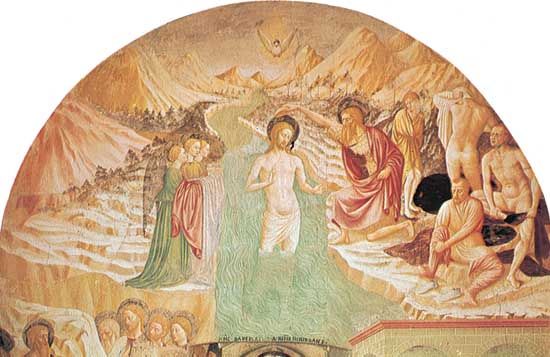
St. Dionysius of Alexandria was a significant figure in early Christian history, known for his contributions to the development of Christian theology and ecclesiastical leadership. His life and works are an essential part of Christian mythology, as they reflect the struggles and challenges faced by the early Church. Dionysius served as the bishop of Alexandria, a city that was a major center of learning and culture in the ancient world. His tenure was marked by theological debates and a commitment to the teachings of Christ, which shaped the faith of many early Christians.
The Life of St. Dionysius
St. Dionysius was born around the year 200 AD in Alexandria, Egypt. This city was known for its rich cultural heritage and diverse population. Dionysius grew up in a time when Christianity was still in its infancy, facing persecution from both the Roman authorities and other religious groups. His early life was marked by a deep commitment to learning and faith, which led him to become a prominent scholar and theologian. He was well-versed in the Scriptures and was influenced by the teachings of earlier Church Fathers.
 St. Dionysius
As he matured, Dionysius became a leader within the Christian community in Alexandria. He was appointed bishop after the death of his predecessor, Heraclas. This position was not only a religious role but also a significant responsibility, as Alexandria was a bustling metropolis with many challenges. Dionysius took on the task of guiding the local Church through times of persecution and theological disputes, which were common during this period. His leadership was characterized by a focus on unity and clarity in the teachings of Christ.
Theological Contributions
One of the most important aspects of St. Dionysius’s legacy is his theological contributions. He was known for his writings on the nature of God and the relationship between the Father, Son, and Holy Spirit. His works were influential in shaping early Christian doctrine, particularly concerning the concept of the Trinity. Dionysius emphasized the importance of understanding the unity of God while recognizing the distinct roles of each person in the Godhead. This theological framework would later become a cornerstone of Christian belief.
Dionysius also engaged in debates with other theological leaders of his time. He often found himself at odds with those who held different views on key doctrines. His ability to articulate his beliefs clearly and respectfully earned him respect among his peers. He wrote extensively to clarify misunderstandings and to defend the faith against heretical views. His letters and treatises became important resources for other theologians and bishops who sought to understand the complexities of Christian doctrine.
 St. Dina Bélanger
Key Theological Works
- On the Nature of God: In this work, Dionysius explored the attributes of God, discussing His omnipotence, omniscience, and benevolence.
- Letters to Other Bishops: Dionysius wrote letters to fellow bishops, providing guidance on various theological issues and offering support during times of conflict.
- Commentary on the Scriptures: He provided interpretations of key biblical texts, helping to clarify their meanings for the Christian community.
These works not only reflected Dionysius’s deep understanding of theology but also his pastoral concern for the Church. He believed that sound doctrine was essential for the spiritual health of the community. By addressing theological issues head-on, he helped to create a foundation for future generations of Christians. His writings would influence many later theologians, who would build upon his insights to further develop Christian thought.
Challenges and Persecutions
St. Dionysius faced numerous challenges during his time as bishop of Alexandria. The early Church was often under threat from Roman authorities, who viewed Christianity as a subversive movement. Persecutions were common, and many Christians were imprisoned, tortured, or executed for their beliefs. Dionysius himself experienced these challenges firsthand. During the reign of Emperor Decius, a wave of persecution swept through the empire, targeting Christians specifically.
Despite the dangers, Dionysius remained steadfast in his faith. He encouraged his flock to remain strong in their beliefs, even in the face of adversity. He wrote letters to those who were suffering, offering words of comfort and urging them to persevere. His leadership during these difficult times was crucial in maintaining the morale of the Christian community in Alexandria. Dionysius understood that faith was not just a personal journey but a communal experience that required support and encouragement from fellow believers.
 St. Deusdedit
Impact of Persecution
- Strengthened Faith: The challenges faced by early Christians often led to a deepening of their faith, as they relied on their beliefs to endure hardships.
- Increased Unity: Persecution brought Christians together, fostering a sense of solidarity and shared purpose in the face of external threats.
- Development of Martyrdom: The stories of those who suffered for their faith became powerful testimonies that inspired others to remain committed to Christianity.
The impact of these persecutions was profound. Dionysius’s leadership helped to create a resilient community that could withstand the trials of the time. His writings during this period emphasized the importance of hope and the promise of eternal life, which provided comfort to many who faced persecution. He believed that suffering for one’s faith could lead to spiritual growth and a deeper understanding of God’s love.
Legacy of St. Dionysius
The legacy of St. Dionysius of Alexandria extends far beyond his lifetime. His contributions to Christian theology, his leadership during times of persecution, and his commitment to the unity of the Church have left a lasting impact on Christianity. He is remembered as a saint in both the Eastern and Western Christian traditions, and his feast day is celebrated on October 5th. His writings continue to be studied by theologians and scholars, highlighting his importance in the development of early Christian thought.
Moreover, Dionysius’s approach to theological disputes set a precedent for how future Church leaders would engage with differing opinions. His emphasis on respectful dialogue and clarity of thought became a model for resolving conflicts within the Church. This spirit of inquiry and discussion remains vital in Christian communities today, as believers seek to understand their faith in a complex world.
Influence on Later Theologians
- Athanasius of Alexandria: He was influenced by Dionysius’s writings and continued the work of defending the doctrine of the Trinity.
- Gregory of Nyssa: His theological explorations were shaped by the foundational ideas established by Dionysius.
- Augustine of Hippo: Augustine referenced Dionysius in his own writings, demonstrating the latter’s impact on Western theology.
St. Dionysius’s emphasis on the importance of a well-defined theology has continued to resonate throughout Christian history. His insistence on understanding the nature of God and the significance of Christ’s teachings has shaped the beliefs of countless Christians over the centuries. The theological frameworks he established provided a foundation for later theologians, who built upon his insights to further explore the mysteries of faith.
Conclusion of St. Dionysius’s Life
St. Dionysius of Alexandria passed away around the year 265 AD, leaving behind a rich legacy of faith and scholarship. His life serves as a testament to the challenges and triumphs of the early Christian Church. His commitment to theological clarity and pastoral care for his community continues to inspire Christians today. The struggles he faced and the wisdom he imparted remind believers of the importance of faith in times of trial.
In the centuries that followed, the Church has often looked back to figures like Dionysius as examples of strong leadership and unwavering faith. His life story and theological contributions remain relevant as Christians navigate their own faith journeys in a world that often presents challenges to belief. The enduring impact of St. Dionysius of Alexandria is a testament to the power of faith and the importance of understanding one’s beliefs in the context of a larger community.