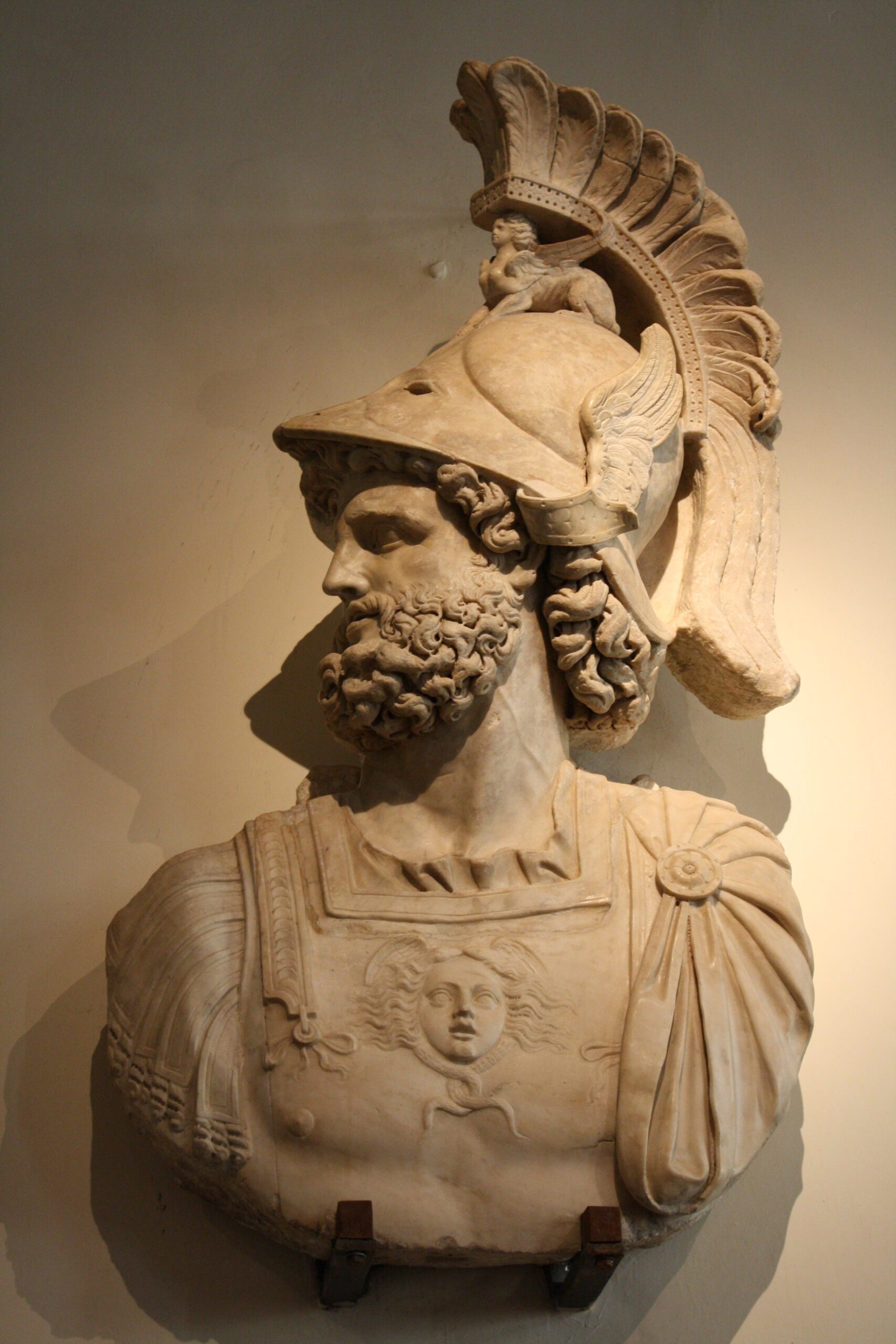
Mars, known as the Roman god of war, holds a prominent place in Roman mythology. He was not only revered as a warrior but also celebrated for his agricultural aspects, which may seem surprising to those who associate him solely with battle and conflict. Mars was often depicted as a powerful figure, embodying the qualities of strength, courage, and valor. In ancient Rome, he was regarded as one of the most important deities, second only to Jupiter, the king of the gods. His significance in Roman culture extended beyond warfare, influencing various aspects of daily life, politics, and religion.
The Origins of Mars
The origins of Mars can be traced back to early Roman religion, where he was initially a god of agriculture and fertility. The early Romans believed that he protected their crops and livestock. Over time, as the Roman Empire expanded and faced numerous conflicts, Mars evolved into a more martial figure. His transformation reflects the changing priorities of Roman society, where military power became essential for the growth and protection of the state. The blend of these aspects—agriculture and war—made Mars a unique figure in Roman mythology.
 Mater-matuta
Mars was often associated with the Greek god Ares, who represented the chaotic and brutal aspects of war. However, Mars was viewed differently in Roman culture. While Ares was often depicted as a symbol of destruction, Mars embodied a more disciplined approach to warfare. He was seen as a protector of the Roman people, guiding them in battles and ensuring their victory. This distinction between Mars and Ares highlights the Roman values of duty, honor, and loyalty.
Mars in Roman Religion
In Roman religion, Mars was honored through various festivals and rituals. One of the most significant celebrations was the Feriae Marti, held in March. This month was named after him, and the festival involved sacrifices and games to honor the god. The Romans believed that by appeasing Mars, they would ensure success in their military endeavors. The festival included a range of activities, from athletic competitions to theatrical performances, all aimed at celebrating the strength and valor associated with Mars.
Another important festival was the Hilaria, celebrated on the vernal equinox. During this time, people would dress in festive attire, dance, and offer sacrifices to Mars. The Hilaria marked the beginning of spring and was a time of renewal and hope. It reflected the dual nature of Mars as both a warrior and a god of fertility, emphasizing the connection between war and the agricultural cycle. These rituals reinforced the cultural significance of Mars in Roman society.
 Mena
MenaThe Symbolism of Mars
Mars was often depicted in art and literature as a strong and formidable figure. He was typically shown wearing armor, carrying a spear, and riding a chariot. This imagery reinforced his identity as a god of war. The armor symbolized protection, while the spear represented aggression and the willingness to fight. Artists portrayed him with a stern expression, reflecting the seriousness of his role as a protector of the Roman state.
In addition to his martial attributes, Mars was also associated with various animals, most notably the wolf and the vulture. The wolf symbolized strength and ferocity, qualities that were essential for a warrior. The vulture, on the other hand, represented death and the aftermath of battle. Together, these animals highlighted the complex nature of war—its glory and its consequences. This duality in Mars’s symbolism made him a multifaceted deity, embodying both the excitement of victory and the tragedy of loss.
Mars and the Roman Military
The Roman military held Mars in high esteem, often invoking his name before battles. Soldiers would pray to him for strength and guidance, believing that his favor could lead them to victory. Legions would carry standards emblazoned with his image, and military commanders would dedicate their conquests to Mars. This close relationship between the god and the military was essential in fostering a sense of unity and purpose among the troops.
 Mephitis
In many cases, Mars was believed to directly influence the outcomes of battles. Romans thought that if they honored him appropriately, he would ensure their success against enemies. This belief was evident in their military strategies, which often included rituals and sacrifices before engaging in combat. The idea that Mars was actively involved in their military affairs instilled a sense of confidence and determination among Roman soldiers.
The Myths of Mars
Several myths and stories surround Mars, each illustrating different aspects of his character. One of the most famous tales involves his relationship with Venus, the goddess of love. Their affair was both passionate and tumultuous, symbolizing the interplay between love and war. According to mythology, their union produced several children, including Phobos and Deimos, who represented fear and terror, respectively. This connection between Mars and Venus reflects the idea that love and conflict often coexist, highlighting the complexities of human emotions.
Another popular myth tells of Mars’s involvement in the founding of Rome. According to legend, he was the father of Romulus, the legendary founder of the city. This connection further solidified Mars’s importance in Roman culture, as he was seen as a divine protector of the city and its people. The story of Romulus and Remus, who were said to be raised by a she-wolf, also emphasizes the warrior spirit associated with Mars. This narrative contributed to the Roman identity, linking their origins to a powerful god.
Mars in Literature and Art
The figure of Mars has inspired countless works of art and literature throughout history. In ancient Rome, poets such as Virgil and Ovid celebrated Mars in their writings, emphasizing his strength and valor. These literary works often depicted him as a noble and honorable figure, reflecting the Roman ideals of heroism and duty. His presence in poetry served to reinforce the cultural values of the time, encouraging individuals to aspire to the qualities that Mars embodied.
In visual art, Mars was a popular subject for sculptors and painters. Artists often depicted him in grandiose forms, showcasing his muscular physique and powerful stance. Statues of Mars adorned temples and public spaces, serving as a reminder of his importance in Roman society. The Renaissance period saw a resurgence of interest in classical mythology, and Mars continued to be a prominent figure in the works of artists like Raphael and Titian.
The Legacy of Mars
The legacy of Mars extends beyond ancient Rome. His influence can be seen in modern culture, where he continues to be a symbol of strength and courage. The name “Mars” is still associated with warfare, as evidenced by the use of the term “martial” to describe things related to war. Additionally, Mars has been adopted in various forms of popular culture, from literature to video games, where he is often portrayed as a powerful warrior or deity.
Furthermore, the planet Mars is named after the Roman god, reflecting humanity’s fascination with the cosmos. The red planet, often associated with blood and war, serves as a reminder of Mars’s enduring legacy in both mythology and science. This connection between the god and the planet underscores the lasting impact of Roman mythology on contemporary thought and culture.
Mars in Modern Interpretations
In recent years, there has been a renewed interest in Mars within the context of pop culture and media. Films, television shows, and books have explored the themes of war and heroism through the lens of Mars’s character. These modern interpretations often emphasize the complexities of war, portraying it as a multifaceted experience that involves both glory and tragedy. This nuanced view aligns with the original Roman understanding of Mars as a god who embodies both the thrill of battle and the sorrow of loss.
Moreover, the figure of Mars has been adapted to fit contemporary narratives, highlighting issues such as militarism, patriotism, and the consequences of conflict. By reinterpreting Mars in this way, modern creators have ensured that his legacy continues to resonate with audiences today. This ongoing exploration of Mars’s character reflects the enduring relevance of mythology in understanding human experiences and societal values.
The Influence of Mars on Other Cultures
The influence of Mars extends beyond Roman mythology, as many cultures have their own deities associated with war and conflict. For example, the Greek god Ares, as previously mentioned, shares similarities with Mars but is often viewed in a more negative light. In Norse mythology, Odin is another war god, representing wisdom and strategy in battle. These parallels illustrate how different cultures interpret the concept of war and its associated deities.
Additionally, in various indigenous cultures, gods and spirits are often invoked during times of conflict or when seeking victory in battle. This common thread highlights the universal human experience of war and the desire for protection and success. The archetype of the warrior god, represented by figures like Mars, resonates across cultures, emphasizing the importance of strength, bravery, and honor in the face of adversity.
As we explore the rich tapestry of Roman mythology, Mars stands out as a complex and influential figure. His dual nature as a god of war and agriculture reflects the values and beliefs of ancient Roman society. Through festivals, myths, and artistic representations, Mars has left an indelible mark on culture and continues to inspire modern interpretations. Whether in literature, art, or contemporary media, the legacy of Mars endures, reminding us of the timeless themes of strength, courage, and the complexities of the human experience.