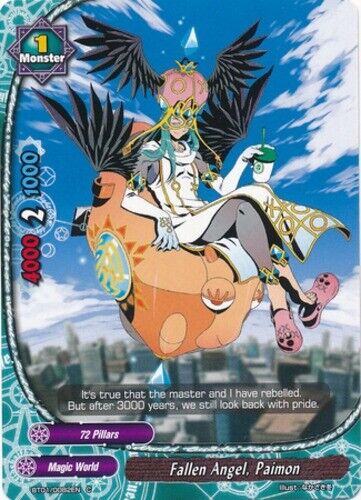
Paimon is a fascinating figure in the realm of fallen angels. Known for his unique characteristics and abilities, Paimon has captured the interest of many throughout history. This article delves into the various aspects of Paimon, including his origins, attributes, and the role he plays in different traditions. Understanding Paimon requires a look into both the mythological and occult contexts in which he appears. By exploring these areas, we can gain a clearer picture of this enigmatic being.

Origins of Paimon
The origins of Paimon can be traced back to ancient texts and traditions. He is often mentioned in the context of occultism and is recognized as one of the Kings of Hell. His name appears in the famous grimoire, the Goetia, which is a part of the larger work known as the Lesser Key of Solomon. This text dates back to the 17th century and provides a detailed account of various demons, including Paimon. The grimoire describes him as a powerful entity who commands a significant following of spirits.
In the Goetia, Paimon is depicted as a regal figure, often portrayed riding a camel and accompanied by a host of spirits. His appearance signifies his high status among the infernal hierarchy. The text suggests that Paimon has the ability to impart knowledge and understanding, making him a sought-after figure for those seeking wisdom. The etymology of his name is believed to be linked to the ancient word for “knowledge,” further emphasizing his association with learning.
Attributes of Paimon
Paimon is known for several key attributes that define his character. One of the most notable aspects is his association with knowledge and wisdom. He is said to have the ability to teach various sciences, arts, and even the secrets of the universe. Those who summon him often seek enlightenment and guidance in their pursuits. This quest for knowledge has made him an important figure in many esoteric practices.
 Pharzuph
In addition to his intellectual prowess, Paimon is often described as having a strong personality. He is characterized by his authority and commanding presence. When summoned, he is believed to require respect and proper rituals to ensure a successful communication. This aspect of Paimon’s nature highlights the importance of preparation and reverence in dealings with such powerful entities.
Abilities of Paimon
- Teaching and Knowledge: Paimon can impart wisdom in various subjects.
- Influence: He has the power to influence the thoughts and decisions of individuals.
- Control Over Spirits: Paimon commands numerous spirits, making him a powerful ally.
Moreover, Paimon is said to possess the ability to influence individuals, guiding their thoughts and decisions. This makes him a valuable ally for those looking to achieve specific goals or ambitions. His influence can extend to matters of wealth, success, and personal development. This ability to sway decisions further solidifies his status as a formidable figure in the realm of fallen angels.
Paimon in Different Traditions
Paimon appears in various traditions and belief systems, each attributing unique qualities and roles to him. In the context of Western occultism, he is often regarded as a demon to be summoned for knowledge and guidance. Practitioners may invoke him during rituals aimed at acquiring insights into their lives or the universe. His presence is believed to enhance the efficacy of such rituals, making him a preferred choice among practitioners.
 Phoenix
In contrast, some traditions view Paimon through a more mythological lens. In these interpretations, he is seen as a figure representing the duality of knowledge—both enlightening and potentially dangerous. This perspective emphasizes the idea that while knowledge can empower, it can also lead to downfall if misused. This duality adds a layer of complexity to Paimon’s character, making him a subject of intrigue and caution.
Rituals and Summoning Paimon
Summoning Paimon requires a deep understanding of the rituals involved. Practitioners typically follow a set of guidelines to ensure a successful interaction. The process often begins with creating a sacred space, free from distractions and negative energies. This preparation is crucial, as it sets the tone for the ritual. The use of specific symbols, candles, and offerings may also be incorporated to honor Paimon during the summoning.
Once the space is prepared, the practitioner may recite invocations that call upon Paimon. These invocations often highlight his attributes, such as knowledge and power. The practitioner must approach the ritual with respect and a clear intention, as this aligns their energy with that of Paimon. It is essential to remain open and receptive during the process, as communication with such powerful entities can be subtle and require focus.
Common Offerings for Paimon
- Incense: Often used to create a conducive atmosphere.
- Candles: Typically lit to symbolize the light of knowledge.
- Fruits or Flowers: Offerings representing life and beauty.
Common offerings for Paimon include items that symbolize respect and appreciation. Incense is frequently used to create a calming atmosphere, while candles represent the light of knowledge. Additionally, practitioners may offer fruits or flowers as tokens of gratitude. These offerings serve to honor Paimon and establish a connection between the practitioner and the entity.
The Symbolism of Paimon
Paimon is rich in symbolism, representing various concepts that extend beyond his role as a fallen angel. One of the most significant symbols associated with him is the camel. In many depictions, Paimon is shown riding a camel, which can symbolize endurance and the ability to traverse difficult terrains. This imagery suggests that acquiring knowledge may require perseverance and resilience.
Furthermore, Paimon’s association with knowledge and wisdom makes him a symbol of the quest for enlightenment. His presence in rituals often signifies a search for deeper understanding, whether it be in personal matters or broader existential questions. This quest is not without its challenges, as knowledge can lead to uncomfortable truths that one must confront.
Symbolic Representations of Paimon
- Camel: Represents endurance and the journey of knowledge.
- Crown: Symbolizes authority and power.
- Books: Reflects the pursuit of wisdom and learning.
In addition to the camel, Paimon is often depicted with a crown, symbolizing his authority and power among the fallen angels. This representation serves as a reminder of the respect and reverence that must be afforded to him. Additionally, books are commonly associated with Paimon, reflecting the pursuit of wisdom and learning. These symbols combine to create a rich tapestry of meaning that surrounds Paimon, making him a significant figure in various traditions.
Paimon in Popular Culture
The figure of Paimon has transcended ancient texts and rituals, finding a place in popular culture as well. In recent years, Paimon has been featured in various forms of media, including movies, books, and video games. This modern portrayal often draws on the traditional attributes of Paimon, presenting him as a powerful entity capable of influencing events and individuals.
One notable example is the film “Hereditary,” where Paimon is central to the plot. The film explores themes of family, trauma, and the supernatural, with Paimon representing a dark force that manipulates the characters’ lives. This portrayal has sparked interest in Paimon, leading many viewers to research his origins and significance. Such depictions illustrate how ancient figures can be reinterpreted in contemporary narratives, making them relevant to modern audiences.
Media Representations of Paimon
- Films: “Hereditary” prominently features Paimon.
- Books: Various novels incorporate Paimon into their storylines.
- Video Games: Some games feature Paimon as a character or influence.
In literature, Paimon has appeared in various novels that explore themes of the occult and the supernatural. These works often depict him as a complex character, reflecting both the allure and danger of knowledge. Similarly, in the world of video games, Paimon is sometimes featured as a character or an influential force within the game’s narrative. These representations continue to shape public perception of Paimon, making him a figure of intrigue and fascination.
Understanding Paimon’s Legacy
The legacy of Paimon is multifaceted, intertwining historical, cultural, and personal interpretations. For many, he represents the pursuit of knowledge and the importance of understanding oneself and the world. This legacy encourages individuals to seek wisdom while remaining aware of the potential consequences that come with it. Paimon serves as a reminder that knowledge can empower, but it can also lead to challenges that require courage to face.
In the realm of the occult, Paimon continues to be a significant figure for practitioners seeking guidance and insight. His presence in rituals signifies a commitment to understanding deeper truths, often leading to transformative experiences. As a fallen angel, Paimon embodies the dual nature of knowledge—offering both illumination and potential peril. This duality is central to his legacy, reminding us that the quest for wisdom is both a privilege and a responsibility.
Lessons from Paimon
- Respect Knowledge: Approach learning with reverence.
- Embrace Challenges: Understand that growth often comes from facing difficulties.
- Seek Balance: Balance the pursuit of knowledge with ethical considerations.
Ultimately, the lessons drawn from Paimon’s legacy encourage individuals to respect knowledge, embrace challenges, and seek balance in their pursuits. As a figure representing the complexities of understanding, Paimon invites us to reflect on our relationship with knowledge and its implications in our lives. Whether viewed through a historical, cultural, or personal lens, Paimon remains a compelling figure whose influence continues to resonate across time and traditions.