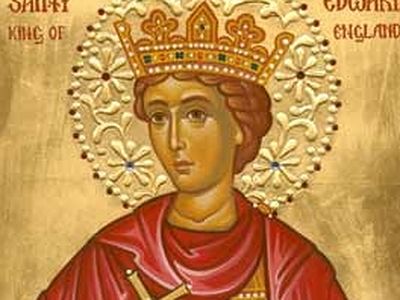
St. Edward the Martyr is a significant figure in Christian mythology, particularly within the context of English history. He was born around 962 AD and was the son of King Edgar the Peaceful and his wife, Ælfthryth. Edward’s life was marked by tragedy, and he is remembered for his piety and the circumstances surrounding his death. His story is not just a tale of a young prince but also reflects the turbulent political landscape of 10th-century England. His life and martyrdom have inspired many, leading to his veneration as a saint in various Christian traditions.
Early Life and Ascension to the Throne
Edward was born into a royal family during a time when England was divided into several kingdoms. His father, King Edgar, was known for his strong leadership and efforts to unify England. Following Edgar’s death in 975, Edward ascended to the throne at a young age. At just 13 years old, he faced significant challenges, including the influence of powerful nobles and the looming threat of Viking invasions. Despite his youth, Edward was known for his wisdom and spirituality, which helped him navigate the complexities of kingship.
Edward’s reign was relatively short but impactful. He sought to continue his father’s policies of peace and stability. He worked towards strengthening the church and fostering good relations with neighboring kingdoms. His dedication to Christian values was evident in his actions, and he became known for his fairness and commitment to justice. This early period of his reign laid the foundation for the reverence he would receive later as a martyr.
The Circumstances of His Death
Edward’s life took a tragic turn when he was murdered in 978. The circumstances surrounding his death are steeped in political intrigue and betrayal. His half-brother, Aethelred, who would later become known as Aethelred the Unready, was heavily influenced by his mother, Ælfthryth. There are accounts suggesting that Ælfthryth wanted her son to ascend to the throne, which led to the plotting against Edward. The power struggles of the time were fierce, and Edward became a target of these ambitions.
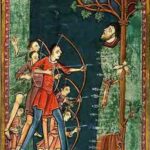 St. Edmund
On March 18, 978, Edward was killed near a place called Corfe Castle. Accounts describe how he was ambushed and murdered, and his death was not only a personal tragedy but a significant political event. The brutal nature of his assassination shocked the kingdom and led many to view him as a martyr. The quick succession of events surrounding his death created a narrative that would endure for centuries, emphasizing themes of betrayal and innocence.
Martyrdom and Veneration
Following his death, Edward was quickly venerated as a martyr. The label of martyr is often reserved for those who suffer persecution for their faith, and Edward’s tragic end positioned him as a symbol of innocence and piety. His life and death became intertwined with the religious narrative of the time, and he was canonized by the church. His status as a martyr was bolstered by reports of miracles attributed to him, further solidifying his place in Christian mythology.
Edward’s shrine became a pilgrimage site, attracting followers who sought to honor his memory and seek his intercession. The site of his burial in Shaftesbury Abbey became a focal point for devotion. Over time, stories of his life and martyrdom spread, and he was celebrated in various texts and liturgies. His feast day is observed on March 18, the anniversary of his death, allowing the faithful to remember his life and legacy.
 St. Edbert Of Lindisfarne
The Impact of Edward’s Legacy
St. Edward the Martyr’s legacy extends beyond his death. His life has been a source of inspiration for many, particularly in the context of Christian leadership. He is often depicted as a model of virtue and integrity, embodying the qualities that are highly regarded in Christian teachings. His story serves as a reminder of the importance of faith, even in the face of adversity and betrayal.
In various regions of England, churches and institutions have been named in his honor. The veneration of Edward has persisted through the centuries, reflecting the enduring nature of his story. His life is often used as a teaching tool, emphasizing the values of forgiveness, service, and devotion to God. As a saint, Edward represents the ideals of Christian kingship, showing that a ruler can be both powerful and righteous.
Edward in Literature and Art
The story of St. Edward the Martyr has been captured in numerous literary and artistic works throughout history. Medieval chronicles often recounted his life and death, emphasizing his piety and the injustice of his murder. The portrayal of Edward in these texts reflects the cultural values of the time, highlighting the significance of martyrdom in the Christian faith. His story became a popular subject for hagiographies, which are biographies of saints that serve to inspire and educate.
In art, Edward is often depicted in religious iconography, typically shown in royal attire, symbolizing his status as a king. Artists have portrayed him in scenes that depict his martyrdom, emphasizing the dramatic nature of his death. These representations serve not only as a means of honoring his memory but also as a way to convey moral lessons to viewers. The artistic depictions of Edward have contributed to the collective memory of his life and the ideals he represents.
Modern Interpretations and Celebrations
In contemporary society, St. Edward the Martyr continues to be a figure of interest. His story resonates with themes of justice and faith that are relevant today. Various Christian communities celebrate his feast day with special services, prayers, and reflections on his life. These observances serve to connect modern believers with their historical roots and to reinforce the values that Edward embodied.
Modern interpretations of Edward’s life often focus on the lessons that can be learned from his experiences. His dedication to his faith in the face of adversity serves as a powerful reminder of the importance of resilience and commitment to one’s beliefs. Many churches use his story as a way to encourage their congregations to stand firm in their faith, even when faced with challenges. The legacy of St. Edward the Martyr remains a source of inspiration for those seeking to live a life of integrity and service.
Conclusion: The Enduring Legacy of St. Edward
The story of St. Edward the Martyr is one of tragedy, faith, and resilience. His life serves as a powerful reminder of the virtues that are central to the Christian faith. Through his martyrdom, Edward has become a symbol of hope and inspiration for many. The enduring legacy of St. Edward continues to influence the lives of countless individuals, encouraging them to strive for a life of faithfulness and service to others.
As we reflect on the life of St. Edward the Martyr, we are reminded of the importance of standing up for our beliefs and the power of faith in overcoming adversity. His story encourages us to remain steadfast in our commitment to justice and righteousness, no matter the circumstances we may face. In a world that often challenges our values, the legacy of St. Edward serves as a guiding light, inspiring us to lead lives that reflect the principles he embodied.