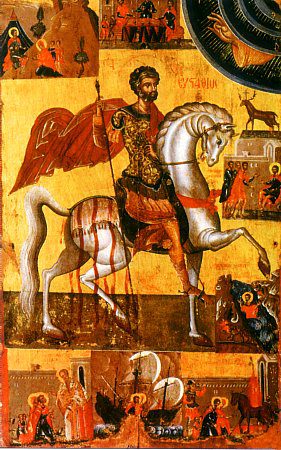
St. Eustace is a significant figure in Christian mythology, celebrated for his remarkable transformation from a hunter to a devoted Christian. His story illustrates themes of faith, redemption, and the struggle between worldly desires and spiritual enlightenment. The legend of St. Eustace has captivated the hearts of many throughout the centuries, and his life serves as a compelling narrative that highlights the importance of perseverance in one’s faith journey. In this article, we will delve into the various aspects of St. Eustace’s life, his miracles, and the impact he has had on Christian traditions and beliefs.
The Legend of St. Eustace
The story of St. Eustace begins with a man named Placidus, a wealthy Roman general. He was known for his skills as a hunter and spent much of his time pursuing game in the forests. One day, while hunting, he encountered a magnificent stag. This stag was no ordinary animal; it bore a glowing cross between its antlers. This sight profoundly affected Placidus, prompting him to reflect on his life and the choices he had made. The stag’s appearance was a divine sign, leading him to seek a deeper understanding of his existence and purpose.
 St. Eusebius Of Vercelli
Following this encounter, Placidus was compelled to change his life. He left behind his life of hunting and military glory and sought the guidance of Christianity. He and his family were baptized, and he took the name Eustace, which means “fruitful” or “prosperous.” His transformation from a hunter to a Christian symbolizes the call to leave behind worldly pursuits in favor of spiritual fulfillment. This shift is a central theme in the story of St. Eustace, showcasing the power of divine intervention and the importance of faith.
Key Elements of St. Eustace’s Life
- Transformation from Placidus to Eustace
- Encounter with the stag
- Embrace of Christianity
- Persecution and trials faced
- Martyrdom and legacy
After his conversion, St. Eustace faced numerous challenges and persecutions. His former life as a general made him a target for those who opposed Christianity. Despite these trials, Eustace remained steadfast in his faith. His family, including his wife and children, also suffered for their beliefs. They were subjected to great hardships, yet their unwavering faith became a source of inspiration for many. This aspect of St. Eustace’s story emphasizes the reality of suffering in the life of a believer and the strength that can be found in faith.
 St. Eusebius Of Cremona
The Miracles of St. Eustace
Throughout his life, St. Eustace is credited with performing various miracles that further solidified his status as a saint. These miracles serve as powerful reminders of the divine presence in the world and the transformative power of faith. One of the most notable miracles attributed to St. Eustace is the healing of the sick. Many sought his intercession, believing that his prayers could lead to miraculous recoveries. This aspect of his legacy continues to resonate with the faithful today.
Another significant miracle associated with St. Eustace involves his ability to calm storms at sea. According to legend, he was once on a ship that encountered a fierce tempest. As the crew panicked, Eustace prayed fervently for their safety. Miraculously, the storm subsided, and the ship was saved. This event not only demonstrated his deep faith but also highlighted his role as a protector and intercessor for those in need. Such stories contribute to the veneration of St. Eustace in various Christian traditions.
Impact of St. Eustace’s Miracles
- Inspiration for the faithful
- Establishment of shrines and churches
- Promotion of devotion and prayer
- Encouragement of charitable acts
The miracles attributed to St. Eustace have had a profound impact on the Christian community. They inspire believers to deepen their faith and trust in God’s providence. As a result, many shrines and churches have been established in his honor, where the faithful gather to pray and seek his intercession. This has fostered a sense of community and shared belief, reinforcing the importance of prayer and devotion in the Christian life. Furthermore, the legacy of St. Eustace encourages charitable acts and compassion towards others, reflecting the core values of Christianity.
 St. Euplius
St. Eustace in Art and Literature
St. Eustace’s story has inspired numerous works of art and literature throughout history. Artists have depicted his encounter with the stag, often emphasizing the mystical elements of the scene. These representations capture the moment of transformation, showcasing the spiritual awakening that defines St. Eustace’s journey. Many paintings, sculptures, and stained glass windows feature this iconic image, serving as a visual reminder of the power of faith and divine intervention.
In literature, the tale of St. Eustace has been recounted in various forms, from medieval texts to modern adaptations. These stories often highlight the themes of redemption, sacrifice, and the struggle between good and evil. They serve as moral lessons for readers, encouraging them to reflect on their own lives and the choices they make. The enduring nature of St. Eustace’s story is a testament to its relevance across different cultures and time periods, demonstrating the universal appeal of themes related to faith and transformation.
Influence on Christian Art
- Depictions of the stag encounter
- Symbolism of transformation
- Use of St. Eustace in religious iconography
The influence of St. Eustace on Christian art is significant. Artists have used his story to convey deeper spiritual meanings, often employing symbolism to represent his transformation. The stag, for example, is not just a creature of the forest but a symbol of divine revelation and the call to a higher purpose. This use of symbolism allows viewers to engage with the artwork on multiple levels, prompting reflection on their own spiritual journeys. Additionally, St. Eustace is often included in religious iconography, serving as a reminder of the virtues of faith and perseverance.
St. Eustace’s Feast Day and Celebrations
St. Eustace is commemorated on September 20th each year, a day known as his feast day. This celebration is observed in various Christian traditions, particularly within the Catholic and Orthodox churches. On this day, the faithful gather to honor St. Eustace, reflecting on his life and the lessons he imparted through his experiences. Special liturgies and prayers are offered, often including the recitation of his life story and the miracles attributed to him.
In addition to religious observances, the feast day of St. Eustace is marked by various cultural celebrations. In some regions, festivals are held in his honor, featuring music, food, and communal gatherings. These celebrations not only pay tribute to St. Eustace but also strengthen the bonds of community among believers. They provide an opportunity for the faithful to come together, share their faith, and celebrate the transformative power of Christianity in their lives.
Traditions Associated with St. Eustace’s Feast Day
- Special church services
- Processions and pilgrimages
- Community feasts and gatherings
- Acts of charity and service
Several traditions are associated with the feast day of St. Eustace. Special church services are held, often featuring readings from scripture that highlight themes of faith and perseverance. In some communities, processions and pilgrimages to sites dedicated to St. Eustace are organized, allowing the faithful to connect with his legacy on a deeper level. Community feasts and gatherings are also common, where individuals come together to share food and fellowship in honor of St. Eustace.
Additionally, many people choose to engage in acts of charity and service on this day, reflecting the values that St. Eustace embodied. This may involve helping those in need, volunteering at local organizations, or participating in community service projects. These actions not only honor St. Eustace but also serve as a reminder of the importance of living out one’s faith through tangible acts of kindness and compassion.
The Legacy of St. Eustace
The legacy of St. Eustace continues to influence the Christian faith and inspire believers around the world. His story serves as a powerful example of transformation and the call to live a life of faith. Many Christians look to St. Eustace as a patron saint of hunters, soldiers, and those facing adversity, seeking his intercession in their struggles. His life reminds believers that faith can lead to profound change and that even the most challenging circumstances can be transformed through God’s grace.
Moreover, St. Eustace’s story encourages believers to reflect on their own lives and the choices they make. His journey from a life of worldly pursuits to one of spiritual devotion resonates with many, prompting individuals to examine their own priorities and values. The enduring nature of his legend serves as a source of hope and inspiration, reinforcing the belief that faith can lead to redemption and a deeper understanding of one’s purpose in life.
St. Eustace in Modern Christianity
- Continued veneration in churches
- Influence on contemporary faith practices
- Role in ecumenical dialogue
In modern Christianity, St. Eustace remains a figure of veneration in many churches. His feast day is celebrated with enthusiasm, and his story is often shared during sermons and religious education. This continued recognition highlights the relevance of his life and the lessons it imparts for contemporary believers. The themes of faith, perseverance, and transformation resonate strongly in today’s world, where many individuals face challenges that test their beliefs.
Additionally, St. Eustace’s influence extends to contemporary faith practices. Many Christians incorporate his story into their personal devotions, seeking inspiration and guidance in their spiritual journeys. His life serves as a reminder of the importance of prayer and reliance on God, encouraging believers to remain steadfast in their faith despite life’s trials. Furthermore, St. Eustace’s legacy plays a role in ecumenical dialogue, as different Christian denominations recognize his significance and the universal themes present in his story.
St. Eustace’s life and legacy continue to inspire and guide believers in their faith journeys. His transformation, miracles, and the celebrations surrounding his feast day serve as powerful reminders of the enduring impact of faith in the lives of individuals and communities. Through his story, St. Eustace invites us to reflect on our own paths and encourages us to embrace the call to a deeper spiritual life.