
Hagenti is a fascinating figure within the lore of fallen angels. Known for his unique abilities and complex nature, Hagenti is often portrayed in various texts and traditions. This article will delve into the details surrounding Hagenti, exploring his attributes, symbolism, and the roles he plays in different narratives. By examining these aspects, we can gain a deeper understanding of his significance in the context of fallen angels.
Background of Hagenti
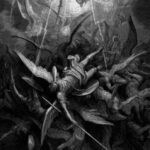
Hagenti is typically recognized as one of the fallen angels who made a significant impact in the realm of spiritual and mystical studies. In various texts, he is referred to as a great duke of Hell, commanding a following of numerous lesser demons. His origins are often traced back to the time before his fall from grace, where he was once considered an angel of light. The transformation from a celestial being to a fallen angel is a recurring theme in his story, emphasizing the duality of his existence.
In some accounts, Hagenti is described as a powerful spirit who can manipulate various elements and possess profound knowledge of alchemy. This knowledge is often sought after by practitioners of magic and those interested in the mystical arts. The juxtaposition of his former angelic nature with his current role as a fallen angel illustrates the complexities of his character. It serves as a reminder that even those who once walked in the light can succumb to darkness.
Attributes of Hagenti
Hagenti is often depicted with specific attributes that set him apart from other fallen angels. One of his most notable features is his ability to transform substances, particularly in the realm of alchemy. He is believed to have the power to turn lead into gold, symbolizing the pursuit of knowledge and the quest for enlightenment. This transformative ability not only reflects his alchemical prowess but also serves as a metaphor for personal transformation and growth.
 Imamiah
Additionally, Hagenti is associated with the concept of wisdom. In many texts, he is portrayed as a teacher, guiding those who seek his knowledge. This role is significant because it emphasizes the idea that wisdom can come from unexpected sources, even from those who have fallen from grace. His teachings often revolve around the importance of understanding oneself and the world, encouraging seekers to embrace their inner struggles and transform them into strengths.
Symbolism of Hagenti
The symbolism surrounding Hagenti is rich and multifaceted. One of the primary symbols associated with him is the pentacle, which represents the union of the physical and spiritual realms. This symbol serves as a reminder of the balance between light and darkness, emphasizing that both are essential components of existence. Hagenti’s connection to the pentacle highlights his role as a bridge between these two worlds, showcasing his ability to navigate both the celestial and infernal domains.
Moreover, Hagenti’s transformation abilities symbolize the potential for change within each individual. His power to alter substances serves as a metaphor for the human experience, where individuals often face challenges that can lead to profound personal growth. This aspect of his symbolism resonates with many who believe in the power of redemption and the possibility of rising above one’s circumstances.
 Ipos
IposHagenti in Literature
Hagenti appears in various literary works that explore themes of fallen angels and the nature of good and evil. One of the most notable references to Hagenti can be found in texts related to demonology, where he is often listed among other significant fallen angels. In these texts, he is described as a figure of considerable influence, wielding power over specific domains.
In addition to demonological texts, Hagenti’s character can also be found in occult literature, where he is often invoked by practitioners seeking knowledge and transformation. These writings often depict him as a teacher and guide, providing insights into the mysteries of the universe. His presence in these works highlights the ongoing fascination with fallen angels and their roles in the spiritual landscape.
Hagenti’s Role in Modern Occult Practices
In contemporary occult practices, Hagenti is sometimes invoked in rituals aimed at personal transformation and the pursuit of knowledge. Practitioners believe that by connecting with Hagenti, they can access his wisdom and gain insights into their own lives. This connection often involves meditation and visualization techniques, where individuals seek to align themselves with his energy.
Many modern practitioners also view Hagenti as a symbol of inner strength. By acknowledging his fallen nature, individuals can explore their own struggles and recognize the potential for growth within adversity. This perspective encourages a more compassionate understanding of oneself and others, promoting the idea that everyone has the capacity for change and redemption.
Hagenti’s story and attributes offer a profound exploration of the themes of transformation, wisdom, and the duality of existence. As a fallen angel, he embodies the complexities of the human experience, reminding us that darkness and light coexist within each of us. His teachings and symbolism continue to resonate with those seeking knowledge and personal growth, making him a significant figure in the study of fallen angels.