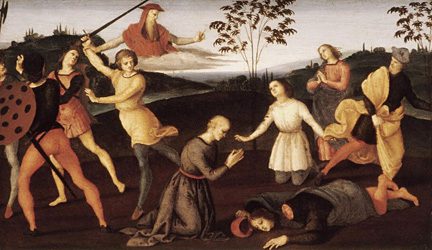
St. Eusebius of Cremona is a significant figure in Christian history, particularly in the context of early church leaders and theologians. He is known for his contributions to the development of Christian doctrine and his role in the establishment of church practices during a time of great change and challenge. Eusebius was born in the city of Cremona, which is located in present-day Italy. His life and works are often discussed within the broader framework of the early Christian church, which faced numerous trials, including persecution and the need for theological clarification.
Early Life and Background
Little is known about the early life of St. Eusebius of Cremona. He was likely born in the late 3rd century, a time when Christianity was beginning to spread more widely throughout the Roman Empire. The environment in which he grew up was characterized by both religious fervor and political instability. The early Christians faced significant challenges, including persecution from the Roman authorities. Eusebius, however, became a devoted follower of Christ and eventually rose to prominence within the church.
 St. Euplius
It is believed that Eusebius received a solid education, likely studying under various Christian leaders and theologians of his time. His commitment to the faith led him to become a bishop, a position that would allow him to influence the church significantly. The bishopric was a critical role in the early church, as bishops were responsible for overseeing the spiritual well-being of their congregations and guiding the development of Christian doctrine.
The Role of St. Eusebius in the Church
St. Eusebius played a vital role in the early Christian church, particularly in the region of northern Italy. His leadership was marked by a strong commitment to the teachings of Christ and the defense of the faith against heretical views. One of his most significant contributions was his involvement in the development of the Nicene Creed, a statement of faith that addressed various theological disputes within the church. The creed was essential in establishing a unified Christian doctrine and countering the influence of Arianism, which denied the divinity of Christ.
During his tenure as bishop, Eusebius focused on promoting orthodox Christianity and ensuring that the teachings of the church were consistent with the core beliefs established by the apostles. His efforts included preaching, teaching, and engaging in theological debates with those who held differing views. Eusebius’s dedication to the truth of the Gospel helped to strengthen the faith of his congregation and the wider Christian community.
 St. Euphrosyne
Theological Contributions
St. Eusebius’s theological contributions were significant and had a lasting impact on the development of Christian thought. He was known for his emphasis on the importance of Scripture and the authority of the Bible in guiding Christian beliefs and practices. Eusebius advocated for the proper interpretation of the Scriptures, encouraging believers to seek a deeper understanding of God’s Word.
- Scriptural Authority: Eusebius believed that the Bible should be the primary source of guidance for Christians.
- Defense of the Faith: He engaged in theological debates to defend orthodox beliefs against heretical teachings.
- Promotion of Unity: Eusebius worked towards a unified understanding of Christian doctrine among various factions within the church.
His writings often addressed the challenges faced by the early church, providing insights into the theological issues of his time. Eusebius emphasized the importance of maintaining a strong connection to the apostolic tradition, which he believed was essential for preserving the integrity of the faith. His works served as a resource for future generations of Christians, helping to shape the direction of Christian theology.
Legacy of St. Eusebius of Cremona
The legacy of St. Eusebius of Cremona is evident in the continued reverence for his contributions to the church. He is often remembered as a defender of the faith, a role model for bishops, and a theologian whose insights have stood the test of time. His involvement in the formulation of the Nicene Creed remains one of his most significant accomplishments, as it laid the foundation for much of Christian belief that followed.
 St. Euphrasia
In addition to his theological contributions, Eusebius is also remembered for his pastoral care. He was known for his compassion and dedication to his congregation, providing spiritual guidance and support during difficult times. This aspect of his ministry has inspired many church leaders throughout history to prioritize the needs of their congregations and to approach their roles with a servant’s heart.
Influence on Future Generations
St. Eusebius’s influence extends beyond his lifetime, impacting future generations of Christian leaders and theologians. His emphasis on the importance of Scripture and the defense of orthodox teachings has been echoed by countless church fathers and reformers throughout history. His writings have been studied and referenced by theologians seeking to understand the early church’s challenges and the development of Christian doctrine.
- Inspiration for Church Leaders: Eusebius’s commitment to pastoral care serves as an example for bishops and pastors today.
- Theological Foundations: His work on the Nicene Creed has shaped the theological landscape of Christianity.
- Encouragement for Unity: Eusebius’s efforts to promote unity within the church continue to inspire ecumenical movements.
Moreover, his life serves as a reminder of the importance of standing firm in one’s faith, even in the face of adversity. St. Eusebius’s dedication to the truth and his willingness to engage in difficult conversations about theology are qualities that many strive to emulate in their spiritual journeys.
Commemoration and Feast Day
St. Eusebius of Cremona is commemorated within the Christian tradition, and his feast day is celebrated on the 17th of April. This day serves as an opportunity for Christians to reflect on his life, teachings, and contributions to the church. Various denominations honor him, recognizing the importance of his role in shaping early Christian doctrine and practice.
On his feast day, many churches may hold special services, including readings from his writings and prayers for guidance in faith. This celebration allows believers to connect with the legacy of St. Eusebius and to seek inspiration from his example as a faithful servant of Christ. His life serves as a reminder of the enduring impact of early church leaders on contemporary Christian practice.
Modern Relevance
The teachings and legacy of St. Eusebius of Cremona remain relevant in today’s Christian context. As the church continues to navigate various challenges, the principles he upheld—such as the importance of Scripture, the need for theological clarity, and the call for unity—are essential for modern believers. In an age where many differing interpretations of Christianity exist, Eusebius’s commitment to orthodoxy serves as a guiding light for those seeking to understand and live out their faith.
- Scriptural Engagement: Encouraging individuals to engage deeply with the Bible as a source of truth.
- Theological Dialogue: Promoting healthy discussions about faith and doctrine within the church community.
- Unity in Diversity: Fostering a spirit of unity among different Christian denominations.
As Christians reflect on the life of St. Eusebius, they are reminded of the importance of standing firm in their beliefs while also engaging with others in love and respect. His legacy encourages believers to be both passionate about their faith and compassionate towards those who may hold differing views.
St. Eusebius of Cremona is a key figure in Christian mythology and history. His life, teachings, and legacy continue to resonate with believers today. By studying his contributions, modern Christians can gain valuable insights into the importance of faith, unity, and the role of Scripture in their lives. The example of St. Eusebius serves as a reminder of the enduring impact of early church leaders and the importance of remaining steadfast in one’s faith journey.